

November 2023 - Mumbai's Top Nutritionist & Healthcare Consultants for Customized Workouts Skip to main content
Monthly Archives

November 2023

Common Pregnancy Myths

Common Pregnancy Myths Debunked: Separating Fact from Fiction

By Pregnancy

Common Pregnancy Myths Debunked: Separating Fact from Fiction

Pregnancy is one of the most beautiful phases in a woman’s life, but it is also a time overloaded with opinions, advice, and traditional beliefs. Friends, family, elders, and even strangers often share tips that may not always be accurate or scientifically supported. This makes it difficult to know what’s true and what’s just a myth. To help expecting mothers feel confident and informed, we’re addressing Common Pregnancy Myths and uncovering the real facts behind them. Understanding the truth is essential not only for the mother’s mental peace but also for the baby’s health and well-being.

This article breaks down Common Pregnancy Myths and explains what science actually says, so you can focus on a healthy and worry-free experience.


Myth 1: Pregnant Women Should Eat for Two

One of the most widely believed Common Pregnancy Myths is that expecting mothers should double their food intake. In reality, pregnancy requires nutrient-rich meals, not overeating. Doctors suggest that in the second and third trimesters, women only need about 300 extra calories per day. Instead of eating more, focus on essential nutrients like protein, iron, calcium, folic acid, and fiber.

Fact: Eating too much may lead to unhealthy weight gain and complications such as gestational diabetes and high blood pressure.


Myth 2: You Should Avoid Exercise During Pregnancy

Many Common Pregnancy Myths claim that exercise is unsafe for the baby, but this is not true for most healthy pregnancies. In fact, moderate physical activity helps improve mood, reduce back pain, increase stamina for labor, and support controlled weight gain.

Fact: Activities like walking, prenatal yoga, stretching, and swimming are safe when approved by a doctor. However, avoid heavy lifting and exercises that increase risk of falling.


Myth 3: Morning Sickness Only Happens in the Morning

Among all Common Pregnancy Myths, this one causes confusion because nausea can actually occur any time throughout the day. Many women experience symptoms during the afternoon, evening, or even at night.

Fact: Hormonal changes cause nausea, and it may last for the entire first trimester or sometimes longer. Eating smaller meals and staying hydrated may help.


Myth 4: You Can Tell the Baby’s Gender by Belly Shape

One of the most entertaining Common Pregnancy Myths is that the shape or height of the baby bump can predict gender—low belly means a boy, high belly means a girl. However, baby position and muscle tone determine bump shape, not gender.

Fact: Only medical tests such as ultrasounds or blood tests can confirm the baby’s sex.


Myth 5: Pregnant Women Should Not Eat Spices

Many families believe that spicy food harms the baby, another misunderstanding listed under Common Pregnancy Myths. In most cases, eating mildly spicy food is perfectly safe unless it causes digestive discomfort.

Fact: Spices do not affect the baby, although they may cause acidity or heartburn in the mother.


Myth 6: Haircuts During Pregnancy Are Unsafe

This is one of those traditional Common Pregnancy Myths with no scientific basis. Cutting hair does not affect the baby’s health or growth in any way.

Fact: Self-care activities can actually improve emotional well-being during pregnancy.


Myth 7: Pregnant Women Should Avoid Sleeping on Their Left Side

The opposite of this belief is actually true, making it one of the more confusing Common Pregnancy Myths. The left side is considered the best sleeping position because it improves blood flow to the baby and reduces pressure on internal organs.

Fact: While the left side is recommended, switching sides occasionally is normal and not harmful.


Final Thoughts

Understanding the truth behind Common Pregnancy Myths helps mothers make informed choices, avoid unnecessary fear, and experience a healthier pregnancy journey. Always consult a doctor or certified healthcare professional rather than relying on hearsay. No two pregnancies are the same, and personalized guidance is the safest approach.

For expert-backed pregnancy support and customized nutrition plans, explore the Healthie4U app and stay informed with science—not myths.

For more science-backed wellness insights, read our blog “12 Reasons Why Daily Banana Consumption Boosts Your Health and Wellbeing” and explore personalized expert guidance on the Healthie4U app to support your nutrition and pregnancy journey.
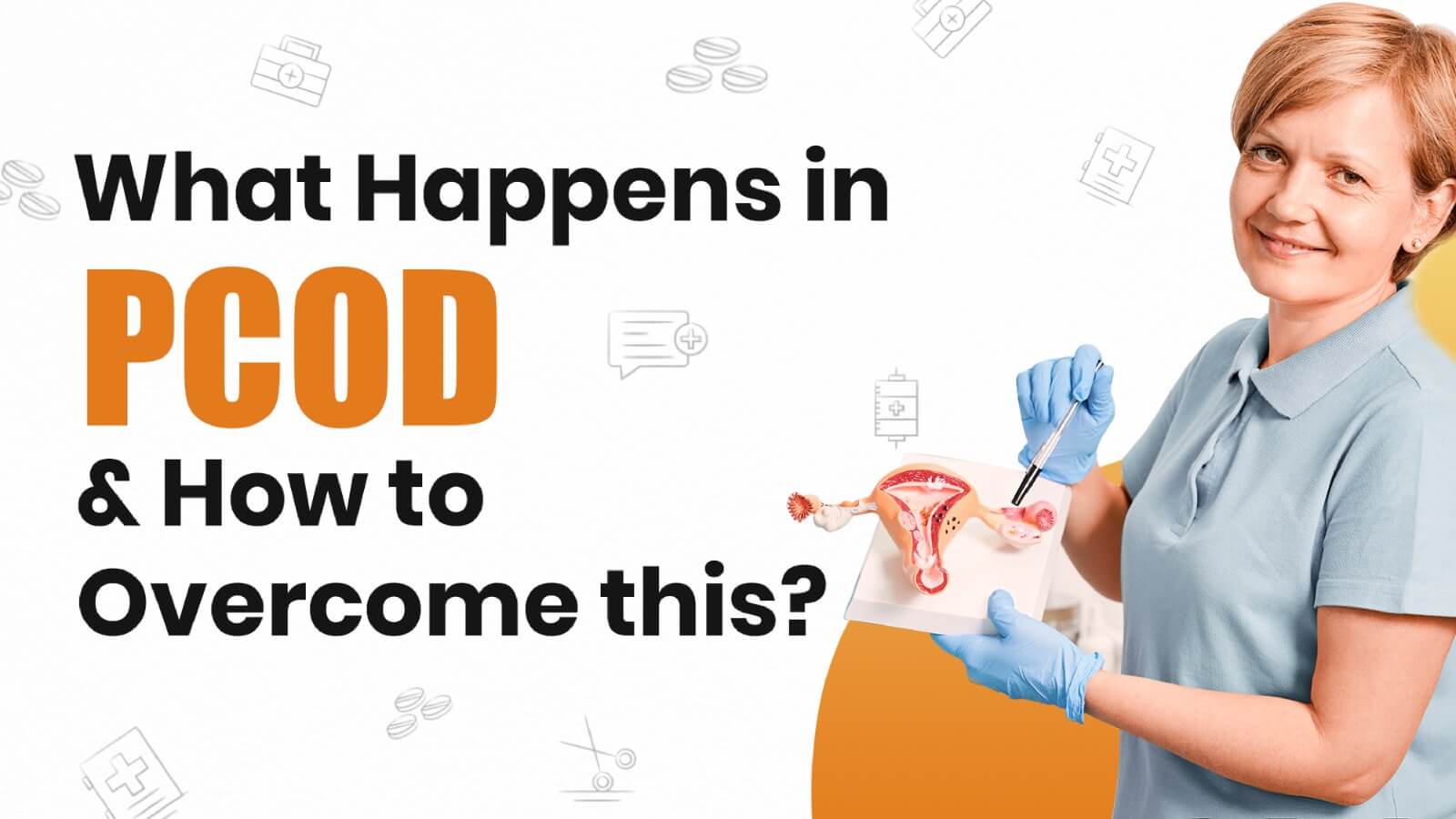
What-Happens-in-PCOD-&-How-to-Overcome-this

What Happens in PCOD & How to Overcome this?

By PCOS and PCOD Management

What Happens in PCOD & How to Overcome It?

PCOD is one of the most common hormonal disorders affecting women today, yet it remains misunderstood and often overlooked. Many women struggle silently due to lack of awareness, confusion about symptoms, and uncertainty regarding treatment options. To support better understanding, let’s break down what actually happens in PCOD, why it occurs, and how you can effectively manage and overcome its challenges.

According to global health statistics, more than half of women with PCOS develop type 2 diabetes by the age of 40, showing a direct connection between hormonal imbalance and long-term health risks. But before diving into solutions, we must clearly understand what PCOS is and how it affects the body.


What Is PCOD?

PCOD (Polycystic Ovary Disease) occurs when the ovaries start producing excessive androgens—male hormones—which disrupt the natural hormonal cycle in women. This imbalance affects the normal production of estrogen and progesterone, creating difficulties in ovulation. In many cases, small immature eggs turn into fluid-filled cysts, leading to multiple physical and metabolic symptoms.

Picture your body as an orchestra and hormones as the conductor. When hormones work in harmony, the body performs smoothly. But in PCOS, this harmony becomes disturbed. The hormonal imbalance leads to irregular menstrual cycles, fertility challenges, acne, excessive facial hair growth, weight gain, and mood fluctuations. These symptoms vary from person to person—some women experience mild issues while others face more intense effects.

It’s important to understand that women experiencing PCOD are not alone. Studies suggest that at least 10% of women of reproductive age suffer from this condition. Recognizing the signs early helps prevent complications like diabetes, heart disease, and mental health struggles.


What Happens in PCOD?

When it occurs, the body begins responding differently:

  • The ovaries release eggs irregularly or may stop releasing them altogether.

  • Androgen levels rise, causing symptoms such as acne and unwanted hair growth.

  • Insulin resistance increases, meaning the body becomes less responsive to insulin, increasing the risk of diabetes.

  • Weight gain becomes more likely due to disrupted metabolism.

  • Periods become unpredictable, heavier, lighter, or completely absent.

This chain reaction affects both physical and emotional wellbeing. Many women with PCOD experience low confidence, anxiety, and frustration due to lifestyle challenges, body image changes, and fertility-related concerns.


How to Overcome PCOD?

Though there is no complete cure, PCOD is manageable with the right approach. Think of lifestyle changes as tuning instruments back into harmony.

1. Balanced Diet

A nutritious and well-balanced diet is one of the strongest tools for managing PCOD. Focus on whole grains, vegetables, fruits, lean protein, and healthy fats. Reduce refined sugar, deep-fried foods, and processed items that increase inflammation and insulin resistance. Eating smaller, frequent meals helps regulate blood sugar levels and supports hormonal balance.

Healthie4U offers customized diet plans designed specifically for PCOD, helping create sustainable eating habits that generate real results.

2. Regular Exercise

Physical activity plays a critical role in improving insulin sensitivity and maintaining a healthy weight. Women with it benefit greatly from activities such as brisk walking, strength training, dance workouts, cycling, or yoga. Exercise not only supports weight control but also regulates hormones and improves mood.

3. Stress Management

Stress increases cortisol—a hormone that worsens hormonal imbalance. For women with PCOS, managing stress is essential. Practices such as meditation, journaling, deep breathing, and hobbies help calm the nervous system and improve emotional balance.

4. Quality Sleep

Sleep impacts hormones more than most people realize. Irregular or insufficient sleep can worsen PCOD symptoms by disrupting metabolic functioning. Develop a bedtime routine, avoid screens late at night, and aim for 7–9 hours of rest.

5. Medical Guidance

A professional healthcare provider can help diagnose the severity of PCOD and create a personalized treatment plan. For some women, medication may be required to regulate periods, control acne, or manage hair growth. Delaying treatment may worsen symptoms, so seeking guidance early is crucial.


Final Thoughts

Managing PCOD is not about quick fixes—it’s about creating a lifestyle that supports hormonal balance and long-term health. Small changes practiced consistently lead to meaningful improvement. Patience, discipline, and the right guidance can help women regain control of their bodies and lives.

Remember, it does not define you. With awareness, support, and a structured lifestyle, you can rise above its challenges.

Take the first step toward improvement—schedule your consultation with Healthie4U and begin your journey to reversing PCOD naturally, confidently, and sustainably.

Cholesterol Management

Managing Cholesterol: Your Path to Heart Health with Healthie4U

By Cholesterol


Managing Cholesterol: Your Path to Heart Health with Healthie4U

A Comprehensive Guide to Understanding and Controlling Cholesterol Levels

Welcome to the Healthie4U blog! We are dedicated to providing you with valuable information and resources to help you achieve your health and wellness goals. Today, we’re delving into an essential topic for your cardiovascular well-being: Cholesterol Management. Understanding and controlling your cholesterol levels can significantly impact your heart health, and we’re here to guide you through the process.

 What is Cholesterol?

It is necessary for the synthesis of hormones, vitamin D, and cell membranes. However, a high blood cholesterol level can make you more susceptible to heart disease.

Cholesterol circulates in your blood in two primary forms:

  1. Low-Density Lipoprotein (LDL): Often referred to as “bad” cholesterol, high levels of LDL cholesterol can build up in the arteries, forming plaques that narrow and block blood flow.
  2. High-Density Lipoprotein (HDL): Known as “good” cholesterol, HDL helps remove LDL cholesterol from the bloodstream, reducing the risk of plaque buildup.

 Why Cholesterol Management Matters

Proper cholesterol management is crucial for maintaining heart health and preventing cardiovascular diseases such as heart attacks and strokes. Here’s why it matters:

  1. Reduced Risk of Heart Disease: Lowering LDL cholesterol levels decreases the risk of atherosclerosis (hardening of the arteries) and reduces the chance of heart attacks.
  2. Improved Blood Flow: Managing cholesterol promotes better blood circulation, which is essential for the overall well-being of your body.
  3. Longer, Healthier Life: By controlling your cholesterol levels, you can increase your life expectancy and enjoy a higher quality of life.

Steps to Effective Cholesterol Management

Healthie4U is committed to helping you take control of your cholesterol levels and protect your heart health. Here are some essential steps you can take:

  1. Know Your Numbers

First, it’s vital to understand your cholesterol levels. Your healthcare provider can perform a simple blood test to measure your LDL, HDL, and total cholesterol levels. Based on the results, you can work together to set cholesterol targets.

  1. Adopt a Heart-Healthy Diet

Limit Saturated and Trans Fats: Reduce your intake of foods high in saturated and trans fats, such as fried foods, red meat, and processed snacks.

Choose Healthy Fats: Opt for unsaturated fats found in olive oil, avocados, and fatty fish like salmon and trout.

Increase Fibre Intake: Foods rich in soluble fibre, like oats and legumes, can help lower LDL cholesterol levels.

Eat More Plant Sterols: Foods fortified with plant sterols, like certain margarines, can also help lower LDL cholesterol.

  1. Stay Active

Regular exercise can increase HDL cholesterol levels while reducing LDL cholesterol. Aim for 120-150 minutes or more per week of moderate-intensity exercise.

  1. Maintain a Healthy Weight

Losing excess weight can help lower LDL cholesterol levels and reduce the risk of heart disease.

  1. Medications, if Necessary

In some cases, lifestyle changes may not be sufficient. Your healthcare provider may prescribe medication to help manage your cholesterol levels.

Partnering with Healthie4U for Cholesterol Management

At Healthie4U, we understand that managing cholesterol can be challenging. That’s why we offer a range of services and resources to support your journey to heart health:

Personalised Guidance: Our expert healthcare professionals can work with you to create a customized cholesterol management plan tailored to your needs.

Educational Resources: Access articles, videos, and webinars on cholesterol management and heart-healthy living.

Community Support: Connect with others on a similar journey through our online community, share experiences, and find motivation.

Taking control of your cholesterol levels is one of the best things you can do for your heart health. With Healthie4U’s comprehensive approach to cholesterol management, you can embark on a path to a healthier, happier heart.

Remember, your heart is in your hands, and we’re here to support you every step of the way. Contact us now for more information and resources on health and wellness from Healthie4U!

To explore more ways to support heart health naturally, don’t miss our detailed blog “Omega-3 and Cholesterol: The Connection Made Simple.” Discover how omega-3 fatty acids can help balance cholesterol effectively — and for personalized heart-health diet plans, download the Healthie4U app today.

Close Menu

Contact us