
July 2025 - Mumbai's Top Nutritionist & Healthcare Consultants for Customized Workouts Skip to main content
Monthly Archives

July 2025

Diet Mistake

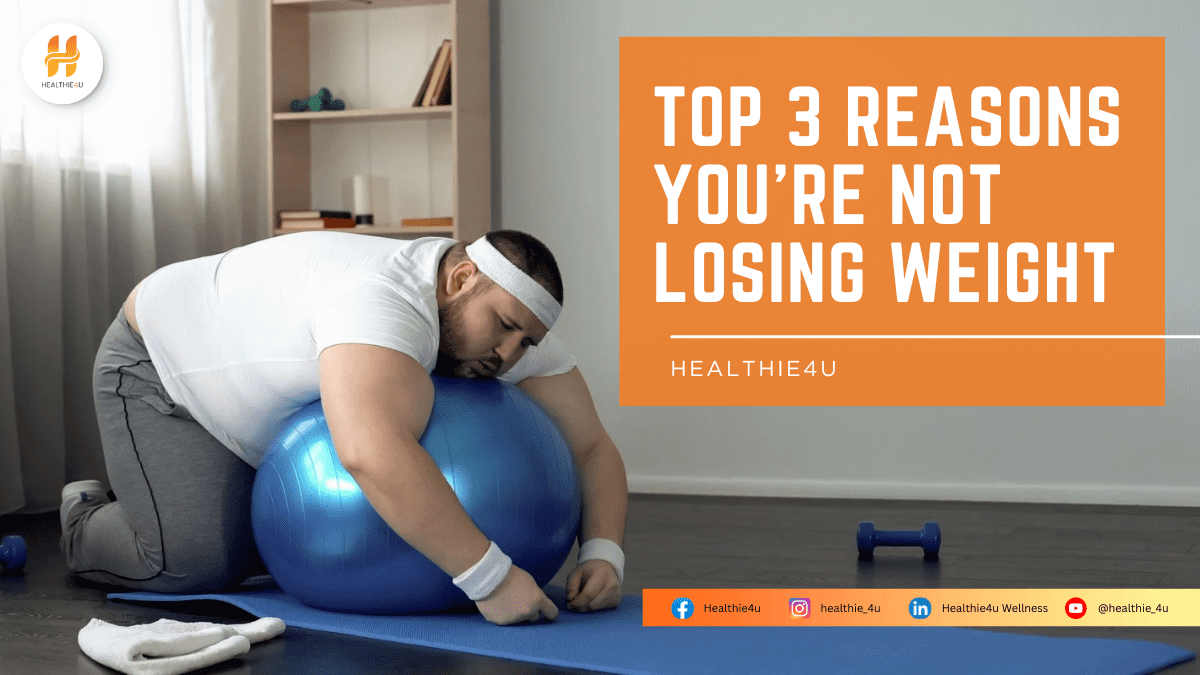
Top 3 reasons you’re not losing weight—nutrition mistakes to avoid

By Weight Loss & Gain Management, Weightloss diet

Top 3 Diet Mistakes Stopping Your Weight Loss Progress (and How to Fix Them)

Losing weight isn’t just about eating less or exercising more—it’s about understanding your food choices, your eating habits, and how your body responds to nutrition. Many people follow a “healthy” diet, exercise consistently, and still struggle to lose weight. This often leads to frustration, confusion, and self-blame.

But here’s the truth: weight loss is not always about effort—it’s about strategy.
Even the healthiest eaters can make mistakes that unknowingly block progress. If the scale isn’t moving despite discipline, the issue might not be your workout routine or your motivation, but certain common nutrition errors.

Below are the top three diet mistakes that sabotage fat-loss goals, along with practical ways to overcome them.


1. Overeating Healthy Foods – Diet mistakes

What Most People Think

Many assume that if something is healthy, they can eat an unlimited amount. Foods like nuts, avocado, peanut butter, protein bars, olive oil, granola, and hummus are rich in nutrients and highly beneficial for health. But healthy doesn’t always mean low calorie, that is a big diet mistakes —and portion size matters more than we realise.

Why This Becomes a Problem

Many healthy foods are calorie-dense, meaning they pack a lot of energy into a small quantity. For example:

Food Item Approx. Calories
1 teaspoon olive oil 90 calories
1 avocado 250–300 calories
Handful of almonds (30g) 180 calories
2 tablespoons peanut butter 200 calories
1 small bowl granola 300–400 calories

So, if you’re eating salads with nuts, avocado, olive oil dressing, and granola bars as snacks—you may be consuming more calories than you burn, even without realizing it. Weight loss requires a calorie deficit, which means consuming fewer calories than your body uses. If calorie intake exceeds expenditure, fat loss stalls, even with “clean eating.”

How to Fix It

Measure portions of high-calorie healthy foods
Use a weighing scale or measuring spoons to control quantity
Read nutrition labels carefully, especially for “diet,” “keto,” “organic,” or “sugar-free” packaged items
Build balanced meals containing lean protein + high fiber veggies + small amount of healthy fats
Don’t eat from packets—portion it out first

Example balanced plate:

  • ½ plate vegetables

  • ¼ plate lean protein (chicken, egg, paneer, dal)

  • ¼ complex carbs (oats, brown rice, quinoa)

  • 1 teaspoon healthy fat (ghee/olive oil)


2. Drinking Your Calories – Diet mistakes

The Hidden Diet Mistakes

Most people focus on what they eat, but ignore what they drink. Drinks often contain hidden sugar and calories that do not create fullness, but still add to total calorie intake. These include:

  • Fruit juices

  • Smoothies loaded with fruits & honey

  • Fancy coffees like frappes, cappuccino, caramel lattes

  • Alcohol

  • Milkshakes and flavored milk

  • Kombucha, electrolyte drinks, packed coconut water

  • Soda or diet coke

Why It’s Harmful

Liquid calories do not activate satiety signals, so you don’t feel full and may eat more later.
Example calorie counts:

Beverage Approx. Calories
Medium café latte 250–350 calories
Fruit smoothie 350–550 calories
Soft drink can 140 calories
Coconut water bottle 110 calories
2 drinks of alcohol 300–450 calories

Even if your meals are controlled, these beverages alone can push you into surplus calories, stopping fat loss completely. And alcohol slows metabolism, increases cravings, and reduces self-control—often causing overeating.

How to Fix It

✔ Choose water, sparkling water, or herbal tea
✔ Drink black coffee or green tea instead of creamy coffees
✔ Make smoothies smartly (protein + greens + ½ banana + no added sugar)
✔ If drinking alcohol, choose vodka soda or light beer and eat mindfully

If you reduce just 300 liquid calories per day, you could lose approximately 1–1.5 kg per month without changing anything else.


3. Underestimating Portions & Not Tracking Honestly – Diet mistakes

What Diet mistakes Happens in Reality

Most people believe they are eating less than they actually do. Research shows that people underestimate calorie intake by 20–40%. Small bites, tasting while cooking, finishing leftovers, dressings, sauces, dips, and oils—all add calories that often go unnoticed.

Common Hidden Calorie Sources

  • 1 tablespoon salad dressing = 80–120 calories

  • 1 spoon ghee or oil = 90 calories

  • Biscuits with tea = 150 calories

  • Sample bites while cooking = 100–150 calories

  • Eating outside food = underreported calories by 40–60%

You may feel like you’re dieting hard, but invisible calories can prevent fat loss.

How to Fix It

Track honestly using a reliable app (like Healthie4U)
Include every bite—even sauces, snacks, and drinks
Use a food scale for at least 7–10 days to understand real portions
Plan meals instead of guessing
Eat mindfully and avoid distractions while eating

Bonus Strategy: Volume Eating

Choose high-volume, low-calorie foods that fill your stomach without adding many calories:

  • Vegetables, salads, soups, fruits

  • Lean protein (eggs, chicken, tofu, dals)

  • Whole grains (oats, quinoa, brown rice)

This increases fullness, reduces cravings, and supports sustainable fat loss.


The Bottom Line

Weight loss isn’t about starving, eliminating food groups, or following extreme diets. So stop diet mistakes, and understant that it is about:

  • Eating smart, not eating less

  • Understanding calorie balance

  • Making mindful nutritional choices

  • Tracking portions consistently

  • Managing liquid calorie intake

  • Choosing high-protein, high-fiber foods

Small improvements made consistently lead to the biggest results. Awareness is more important than willpower.


How Healthie4U Helps

Tracking portions, monitoring calorie intake, and planning meals can be confusing—but you don’t need to do it alone.
Healthie4U App gives you a personalised diet plan, calorie tracking, portion guidance, meal ideas, and progress monitoring, making weight loss simple and sustainable.

Transform your weight loss journey with Healthie4U — because smart eating always wins over random dieting.

Stop doing diet mistakes, struggling to track your meals and stay within calorie limits? Check out our blog on Calorie Counting App for Weight Loss and see how Healthie4U can simplify your journey toward effective fat loss.
reverse dieting

Stop Gaining Weight After Dieting—Try This Trick!

By Diet

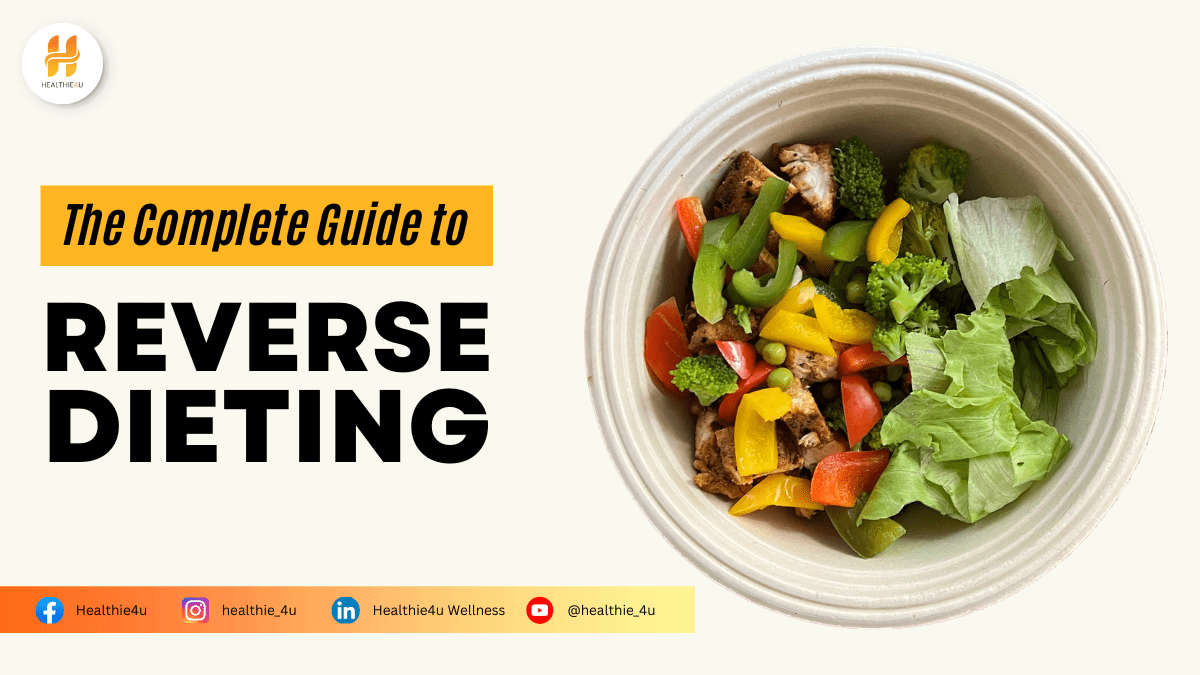
Reverse Dieting: Boost Your Metabolism and Maintain Weight Loss

Reverse dieting is a gradual process of increasing your calorie intake after a period of dieting, aimed at restoring metabolic function, supporting hormonal balance, and preventing rapid weight gain. Often used by individuals who have been on a strict calorie-restricted diet or reached a weight loss plateau, reverse dieting allows your body to adapt to higher calorie intake without storing excess fat. Understanding how reverse dieting works can be a game-changer for long-term weight management and overall health.

What is Reverse Dieting?

It involves slowly increasing your calories after a period of restriction to help your metabolism recover. While dieting usually decreases your basal metabolic rate (BMR) and hormonal function, it restores your body’s natural energy expenditure, reduces hunger, and allows you to enjoy a wider variety of foods without undoing all your hard-earned results.

By carefully controlling your calorie increase, reverse dieting prevents rapid fat gain while promoting muscle preservation, energy balance, and healthy metabolism.


The Science Behind Reverse Dieting

The science of reverse dieting lies in understanding how metabolism, hormones, and energy balance work together. After prolonged dieting, your body adapts to lower calorie intake, which can hinder further fat loss and make it easier to regain weight. It addresses these changes by gradually increasing calories, improving metabolic rate, and supporting overall health.

1. Metabolic Adaptation

When you diet for long periods, your metabolism naturally slows down—a process known as metabolic adaptation. Your body conserves energy, reducing calories burned through BMR, non-exercise activity thermogenesis (NEAT), and exercise. This slowdown is why many dieters hit a plateau despite sticking to strict calorie limits.

Reverse dieting’s role: By slowly increasing calories, reverse dieting helps your metabolism adjust without triggering rapid fat gain. This adaptive approach allows your body to burn more energy naturally while preventing unwanted weight regain.


2. Hormonal Balance and Reverse Dieting

Hormones play a crucial role in metabolism, appetite, and energy use. Prolonged dieting can disrupt these hormones, leading to increased hunger, fatigue, and even mood disturbances.

  • Leptin & Ghrelin: Leptin signals satiety, while ghrelin stimulates hunger. During dieting, leptin decreases and ghrelin rises, causing intense hunger and cravings. Reverse dieting gradually restores leptin and ghrelin levels, helping you feel satisfied and control food intake.

  • Thyroid Hormones (T3 & T4): Dieting lowers thyroid hormone levels, slowing metabolism. Reverse dieting supports normal thyroid function, which can enhance fat-burning efficiency.

  • Insulin Sensitivity: Gradual reintroduction of calories prevents sudden blood sugar spikes and improves insulin sensitivity, reducing the risk of fat storage and metabolic stress.

With reverse dieting, you can restore hormonal balance, regulate appetite, and maintain energy levels—essential for sustainable weight management.


3. Energy Balance and Calorie Increase

Weight management is all about energy balance—calories in versus calories out. During dieting, energy intake is reduced, causing your body to burn fewer calories. This reduction slows fat loss and can lead to rebound weight gain once normal eating resumes.

Reverse dieting’s role: By gradually increasing calories, reverse dieting reduces the gap between energy intake and expenditure without shocking the body. This controlled approach prevents rapid fat accumulation while restoring metabolic flexibility. Over time, energy balance stabilizes, helping you maintain your weight and even improve body composition.


4. Thermogenesis and Reverse Dieting

Thermogenesis—the energy expended for movement and digestion—is affected by calorie restriction.

  • NEAT (Non-Exercise Activity Thermogenesis): Everyday movements like walking, standing, or fidgeting decrease during dieting. Reverse dieting gradually restores NEAT, helping you burn more calories passively.

  • TEF (Thermic Effect of Food) & Exercise: Eating more calories increases the energy used to digest food, and higher calorie intake supports better exercise performance. Reverse dieting allows you to improve fat-free mass (muscle) while limiting fat gain.


5. Muscle Mass Preservation

Maintaining lean muscle is essential for metabolism, as muscle tissue burns more calories than fat at rest. Calorie restriction often leads to muscle loss, further reducing BMR.

Reverse dieting’s role: By gradually increasing protein and overall calories, reverse dieting helps preserve and even build lean muscle mass. More muscle supports a higher BMR, boosts fat loss efficiency, and ensures long-term weight maintenance.


6. Psychological Benefits

Strict dieting can lead to stress, anxiety around food, and binge eating after the diet ends. Reverse dieting provides a structured approach to gradually reintroduce calories, easing food-related stress and helping you develop a healthier relationship with eating.

  • Balanced eating behavior: Gradually increasing calories teaches mindful eating, reduces food guilt, and promotes control over portion sizes.

  • Improved adherence: It can make it easier to sustain long-term healthy eating habits without feeling deprived.


Hormonal Impacts of It

It supports several key hormones:

  • Leptin & Ghrelin: Reduced cravings and hunger

  • Thyroid Hormones: Increased metabolism and fat-burning capacity

  • Insulin: Stable blood sugar levels

  • Cortisol: Reduced stress and better sleep quality

  • Testosterone & HGH: Enhanced muscle growth and recovery

  • Reproductive Hormones: Improved menstrual cycle regularity in women

By balancing hormones, reverse dieting not only supports metabolism but also enhances energy, mood, and overall well-being.


How to Implement It

  1. Increase calories gradually: Add 50–100 calories per week from whole foods like lean protein, complex carbs, and healthy fats.

  2. Track intake and progress: Monitor your weight, body composition, and energy levels. Apps like Healthie4U can help track calories and macros effectively.

  3. Prioritize protein: Adequate protein helps preserve lean muscle mass during calorie increases.

  4. Combine with resistance training: Exercise helps your body use calories efficiently and supports muscle growth.

  5. Be patient: It requires consistency. Rapid increases in calories may lead to fat gain.


Healthie4U App

Tracking calories, macronutrients, and meal quality can be challenging, especially during reverse dieting. The Healthie4U app simplifies this process by helping you monitor your intake, adjust calorie increases safely, and stay on track with your metabolism goals. It’s a perfect companion for anyone practicing it.

💡 Tip: Pair your reverse dieting plan with personalized meal plans in Healthie4U to ensure calorie increases support muscle retention and metabolic recovery.


Key Benefits 

  • Gradually restores metabolism and energy expenditure

  • Preserves or builds lean muscle

  • Reduces hunger and cravings

  • Supports stable blood sugar and insulin sensitivity

  • Improves hormonal balance

  • Promotes psychological well-being and food flexibility

  • Prevents rapid fat gain after dieting


Final Thoughts

Reverse dieting is a strategic, science-backed approach to safely transition out of caloric restriction. It helps you maintain metabolism, preserve muscle, balance hormones, and develop a healthier relationship with food. By following a gradual, mindful approach, it can be a cornerstone of long-term fat loss success and overall metabolic health.

For tracking your calories and managing your reverse dieting plan effectively, check out this blog – Calorie Counting App for Weight Loss

plant-based proteins

Still Think Meat = Muscle? Let Plants Prove You Wrong

By Food Level

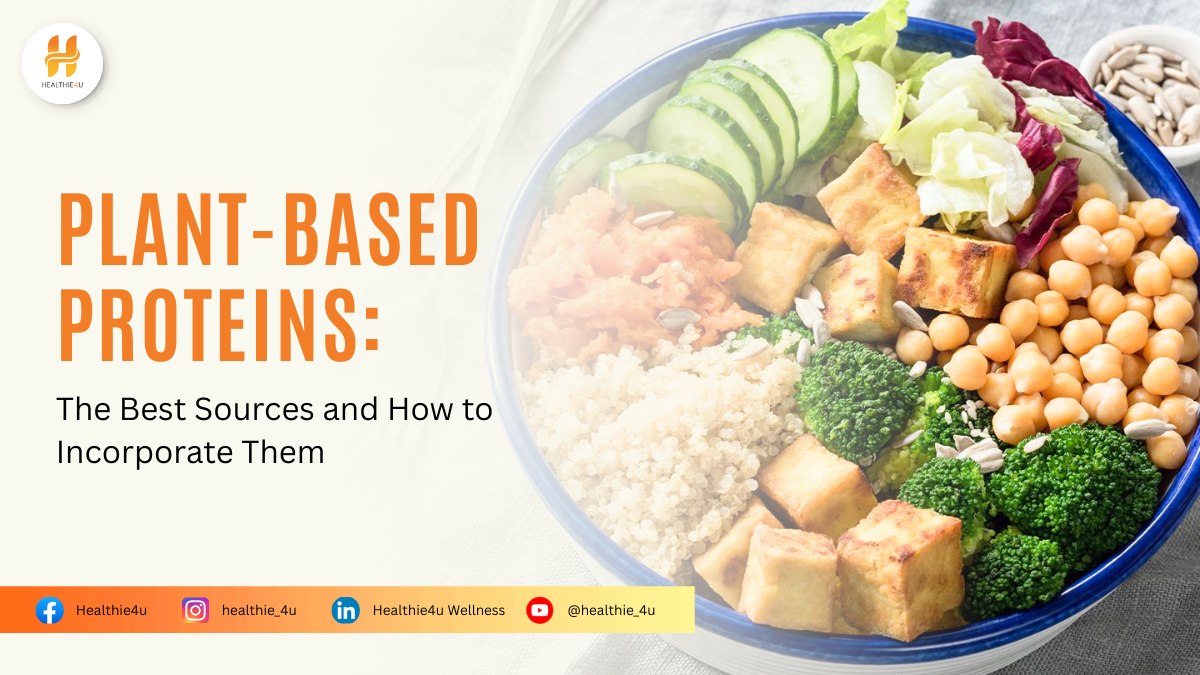
Plant-Based Proteins: A Complete Guide to Health, Nutrition, and Sustainable Eating

Plant-based proteins are proteins derived from plants rather than animal sources. They are a cornerstone of vegetarian, vegan, and flexitarian diets, providing essential nutrients for overall health. Sources include beans, legumes, whole grains, nuts, seeds, vegetables, and even plant-based meat alternatives. These proteins play a crucial role in repairing tissues, producing enzymes, and regulating hormones. They also support the immune system, aid in muscle function, and promote overall well-being.

With growing awareness of health, sustainability, and ethical eating, plant-based proteins have gained popularity among people looking to reduce meat intake or eliminate it entirely. Not only are they nutritionally valuable, but they also offer numerous health benefits and environmental advantages.


Understanding Essential Amino Acids

Proteins are made up of amino acids, the building blocks of the body. Among these, nine are considered essential amino acids—they cannot be produced by the body and must be obtained through diet. While animal proteins provide all nine essential amino acids, most plant proteins are incomplete, meaning they may lack one or more essential amino acids.

However, consuming a variety of plant-based proteins—like beans, grains, seeds, nuts, and soy—can provide all essential amino acids over the course of a day. For example, pairing rice with lentils, or hummus with whole wheat bread, ensures you get a complete amino acid profile. This approach makes plant-based diets fully sufficient in protein when planned mindfully.


Health Benefits of Plant-Based Proteins

Choosing plant-based proteins over animal proteins can provide several health advantages:

1. Lower Saturated Fat & Calories

Many animal-based proteins contain high levels of saturated fats, which may increase the risk of heart disease. Plant-based proteins are naturally lower in saturated fats while providing fiber, vitamins, and minerals. This makes them ideal for weight management and cardiovascular health.

2. Digestive Health

Plant proteins are often high in dietary fiber, which promotes healthy digestion, prevents constipation, and maintains gut health. A fiber-rich diet also feeds the gut microbiome, supporting immunity and overall metabolic function.

3. Anti-Inflammatory Properties

Plant-based foods are rich in antioxidants and phytonutrients that reduce inflammation in the body. Regular consumption can help lower the risk of chronic diseases, such as type 2 diabetes, heart disease, and certain types of cancer.

4. Weight Management

Fiber and protein in plant-based foods promote satiety, helping you feel full for longer and reducing the tendency to overeat. This can support healthy weight management without strict dieting.

5. Environmental Sustainability

Plant-based proteins have a lower environmental footprint compared to animal farming. They require less water, land, and energy while producing fewer greenhouse gases. Choosing plant proteins supports ethical eating and a more sustainable planet.


Top Plant-Based Protein Sources

Incorporating plant-based proteins into your diet doesn’t have to be complicated. Below are some of the best options, along with practical tips on how to include them in your meals:

1. Legumes

Examples: Lentils, chickpeas, black beans, kidney beans.
Legumes are high in protein, fiber, and essential minerals like iron and magnesium. They can be used in soups, stews, salads, veggie burgers, hummus, or chili. Lentils are especially versatile and cook faster than other beans, making them a quick protein source.

2. Nuts and Seeds

Examples: Almonds, walnuts, chia seeds, hemp seeds, flaxseeds.
Nuts and seeds provide protein along with healthy fats, antioxidants, and micronutrients. They make excellent additions to smoothies, oatmeal, yogurt, and baked goods, or can be enjoyed as snacks. Soaking or roasting nuts lightly can improve digestibility.

3. Whole Grains

Examples: Quinoa, oats, barley, brown rice, farro.
Whole grains are rich in protein, fiber, and complex carbohydrates. Quinoa is unique as a complete plant-based protein. Use quinoa in grain bowls, salads, or as a side dish. Oats provide protein and fiber for a filling breakfast or can be blended into smoothies for a nutrient boost.

4. Vegetables

Examples: Spinach, kale, broccoli, Brussels sprouts, peas.
While vegetables may contain less protein than legumes or nuts, they are still valuable sources of plant protein and provide essential vitamins, minerals, and fiber. Incorporate them into salads, stir-fries, soups, or green smoothies to boost your protein intake.

5. Soy-Based Products

Examples: Tofu, tempeh, edamame.
Soy is a high-quality plant protein containing all essential amino acids. Tofu is highly versatile and can be used in both savory and sweet dishes, while tempeh is firm and nutty, perfect for stir-fries, sandwiches, or tacos. Edamame makes a great snack or salad topping.

6. Plant-Based Meat Alternatives

Examples: Pea protein, jackfruit, soy-based burger patties.
These alternatives are designed to mimic meat while offering protein with lower saturated fat. Use them in tacos, pasta dishes, or sandwiches as a plant-based protein replacement.

7. Seeds & Sprouts

Sprouted lentils, mung beans, and chia seeds are highly nutritious and protein-rich. Sprouting improves digestibility and nutrient absorption. Add them to salads, smoothies, or as toppings on bowls for a nutrient boost.


How to Build a Balanced Plant-Based Meal

To ensure you get sufficient protein and nutrients, follow these principles:

  1. Combine Complementary Proteins: Pair grains with legumes or seeds with legumes to get all essential amino acids.

  2. Include Variety: Rotate sources like beans, tofu, nuts, and grains to prevent nutrient gaps.

  3. Add Vegetables: Every meal should include fiber-rich vegetables for digestion, vitamins, and minerals.

  4. Use Healthy Fats: Include nuts, seeds, avocado, or olive oil to aid nutrient absorption and satiety.

  5. Consider Fortified Foods: Nutrients like vitamin B12, iron, and omega-3s can be lower in plant-based diets, so fortified foods or supplements may be necessary.


Common Myths About Plant-Based Proteins

Myth 1: Plant proteins are incomplete.
While some plant proteins lack one or more essential amino acids, combining different plant foods throughout the day ensures complete protein intake.

Myth 2: You can’t build muscle without meat.
Plant proteins like lentils, tofu, tempeh, and quinoa can effectively support muscle growth when paired with regular strength training.

Myth 3: Plant-based diets lack nutrients.
With variety and planning, plant-based diets provide ample protein, iron, calcium, magnesium, and omega-3s.


Healthie4U App for Plant-Based Diets

To simplify plant-based eating, the Healthie4U app provides meal plans, recipes, and nutritional tracking for plant-based diets. Whether you’re aiming for weight management, muscle gain, or overall wellness, the app helps you incorporate plant-based proteins efficiently and ensures you meet your daily protein and nutrient needs.


Conclusion

Plant-based proteins are more than just a dietary choice—they are a pathway to better health, ethical eating, and environmental sustainability. By incorporating legumes, grains, nuts, seeds, soy products, vegetables, and plant-based meat alternatives into your daily meals, you can:

  • Support muscle repair and growth

  • Boost metabolism and energy levels

  • Promote heart, gut, and immune health

  • Maintain a healthy weight

  • Reduce the risk of chronic diseases

For those looking to transition to a plant-powered lifestyle, variety is key. Mix and match different protein sources, include vegetables and healthy fats, and ensure proper portion sizes. By doing so, you’ll enjoy the numerous health benefits of plant-based proteins while supporting a sustainable and ethical approach to eating.

Start exploring these nutrient-rich foods today and experience the power of a plant-based diet. Your body—and the planet—will thank you.

Pair your plant-based protein meals with our guide on Healthy Food to Eat After Exercise to maximize muscle recovery, energy, and overall fitness results.

Food and mood

Why Your Bad Mood Isn’t Your Fault?—It’s What’s on Your Plate!

By Food Level, Unique food


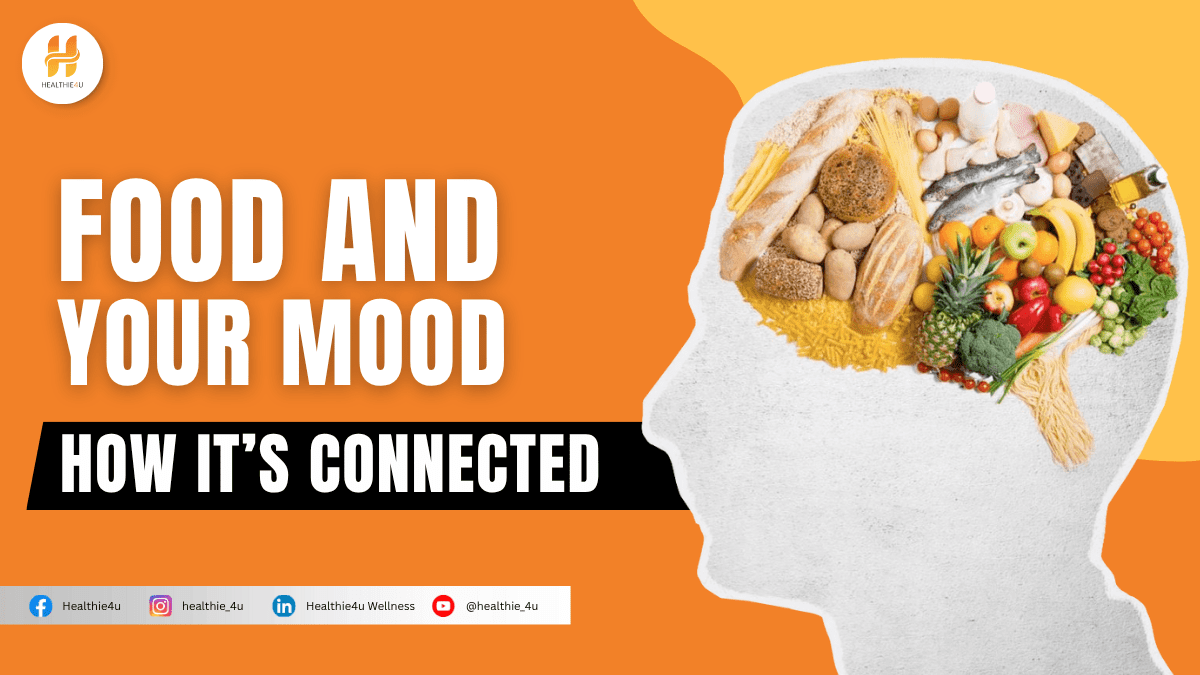
Food and Mood: How Your Diet Can Affect Your Feelings

The Food and Mood Connection is more powerful than most people realize.
What you eat doesn’t just affect your physical health—it directly influences the way you feel, your energy levels, your stress response, and even your long-term mental well-being. Many people struggle with anxiety, low mood, or constant fatigue without understanding that their diet may be a major cause. The brain and gut are deeply connected through a communication pathway known as the gut-brain axis, and the foods you choose can either support emotional balance or trigger mood disturbances.

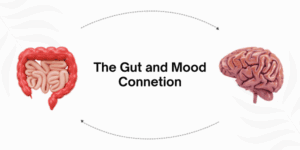
1. The Gut and Mood Connection

The relationship between gut health and mood is crucial. And this is how Food and Mood is connected. Beneficial gut bacteria play a key role in producing chemicals that boost mood, such as serotonin. Because the gut and brain communicate with each other, maintaining a healthy gut can improve your mood. On the other hand, an unhealthy gut may lead to inflammation, which can contribute to anxiety and depression.

Diet is fundamental in maintaining gut health. Consuming a wide variety of fruits, vegetables, and probiotic-rich foods fosters the growth of good bacteria. In contrast, a diet high in sugary and processed foods can harm gut health. Additionally, stress negatively affects gut function, creating a cycle that can worsen mood-related issues. Therefore, promoting a healthy gut through a balanced diet and effective stress management can significantly enhance mental well-being.

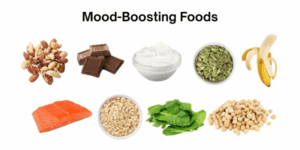
2. Mood-Boosting Foods

  • Fruits and Vegetables

Eating fruits and vegetables can improve your mood. For example, berries and bananas are rich in vitamins and help increase serotonin levels, which can enhance feelings of happiness. Leafy greens, such as spinach, are also beneficial for brain health.

  • Whole Grains

Whole grains like brown rice and oats are excellent for stabilising blood sugar levels. They provide a steady source of energy, which can help you feel better throughout the day.

  • Healthy Fats

Healthy fats found in fatty fish, like salmon, and nuts, such as walnuts, are rich in omega-3 fatty acids. These fats can elevate your mood and enhance brain function, making them an essential part of your diet.

  • Fermented Foods

Fermented foods, including yogurt and sauerkraut, contain probiotics that are vital for gut health. A healthy gut is closely linked to improved mood and emotional well-being.

  • Dark Chocolate

Dark chocolate is not only a delicious treat but also a mood booster. It can increase serotonin levels, helping you feel happier.

  • Lean Proteins

Lean proteins such as chicken, turkey, and beans contribute to the production of chemicals that help balance your mood. Incorporating these into your diet can have a positive effect on mental health.

  • Herbs and Spices

Certain herbs and spices, like turmeric and saffron, are known for their mood-enhancing properties. Adding these to your meals can further support your mental well-being.

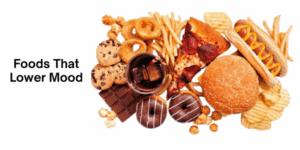
3. Foods That Lower Mood

  • Sugar Spikes and Crashes

Consuming excessive amounts of sugar can lead to quick energy spikes followed by crashes, which may leave you feeling tired and moody.

  • Processed Foods

Junk foods, such as chips and candy, are high in unhealthy fats and sugars. These can cause inflammation in the body, which is associated with feelings of sadness and anxiety.

  • Lack of Nutrients

Many processed foods lack essential vitamins and minerals, making it difficult for your brain to function optimally. This deficiency can result in irritability and a negative mood.

  • Impact on Gut Health

A diet high in sugar and junk food can harm your gut bacteria. Since a healthy gut is essential for mood regulation, this can lead to further mood disturbances.

  • Addictive Nature

Sugar and junk food can be addictive, creating cravings that can affect your mood. When you don’t consume these foods, you may feel anxious or down.

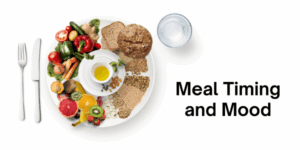
4. Meal Timing and Mood

Eating at regular intervals is important for keeping blood sugar levels steady, which helps prevent mood swings. Regular meals provide a consistent energy supply, leading to a more stable mood throughout the day. This routine ensures your brain gets the essential nutrients it needs for a positive mood and creates comfort, which can reduce anxiety. Additionally, eating regularly helps avoid extreme hunger, lowering the risk of overeating, which can cause discomfort and negatively affect your mood.

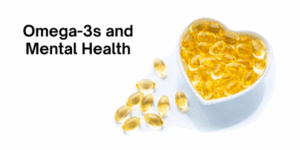
5. Omega-3s and Mental Health

Omega-3 fatty acids are essential for mental health. They can boost mood, support brain function, and lower the risk of depression. These healthy fats are primarily found in fatty fish like salmon and nuts such as walnuts. Regular consumption of omega-3s promotes emotional balance and overall well-being, leading to improved mood and better mental clarity.

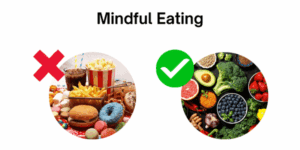
6. Mindful Eating

Mindful eating helps improve your relationship with food by encouraging you to focus on what and how you eat, which increases your awareness of your choices. Taking time to enjoy your meals creates a calming effect that can reduce stress levels. By paying attention to the flavors and textures of food, you enhance your enjoyment of meals, which can positively boost your mood. Mindful eating also promotes healthier food choices that benefit your well-being and helps you recognize hunger cues, preventing overeating and supporting better mental health overall.

Conclusion

In summary, there is a significant connection between gut health and mood. A balanced diet rich in mood-boosting foods, such as fruits, vegetables, whole grains, healthy fats, and lean proteins, can enhance mental well-being. Conversely, avoiding sugary and processed foods can prevent mood deterioration. Additionally, practising mindful eating and maintaining regular meal timing can further support a positive mood and overall mental health.

Want more science-backed nutrition guidance? Read our blog on Managing PCOS and Weight Gain: The Crucial Role of Diet and learn how dietary habits influence hormones, metabolism, and emotional stability.

Looking for a structured diet plan that supports both physical & mental health? The Healthie4U App provides personalized meal plans, mood-enhancing food suggestions, and calorie tracking — designed by experts to improve gut health and emotional balance through the Food and Mood Connection. Download the app today and start your wellness journey.

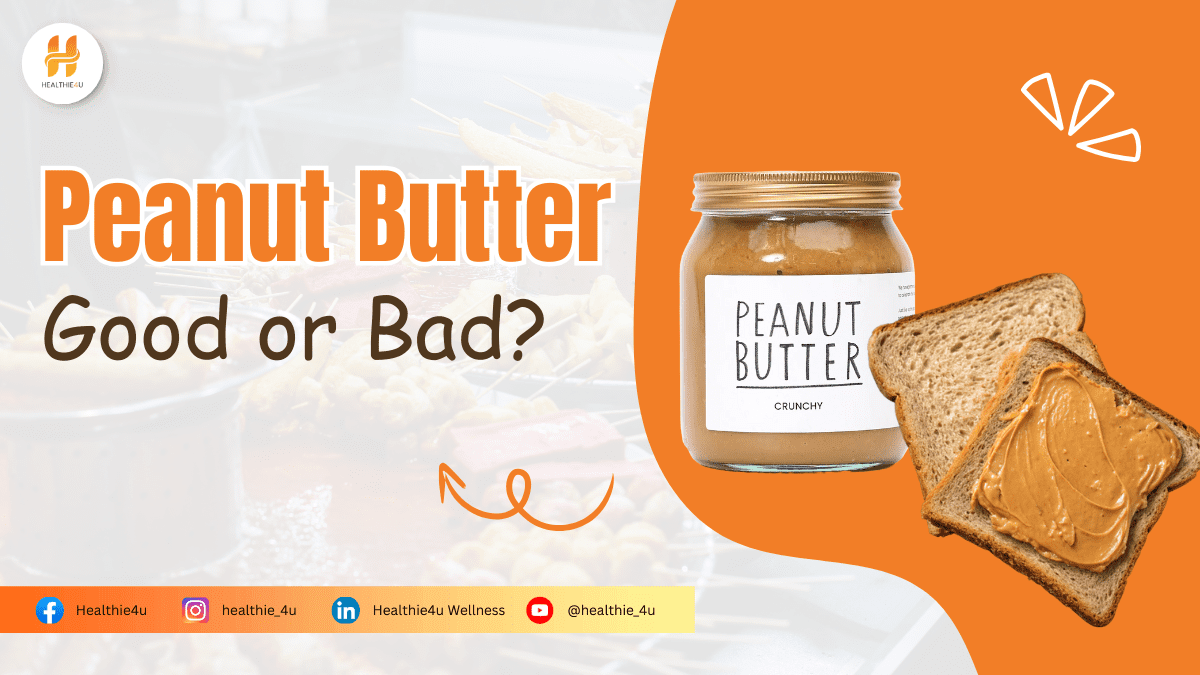
Peanut butter

Put Down That Spoon! You’ll Want to Read This Before Ignoring Peanut Butter

By Food Level, Nuts Benefits, Unique food


Peanuts are one of the cheapest sources of protein which is available in many forms such as raw nuts, salted nuts, roasted nuts, peanut butter, etc. They have high nutritional value due to the presence of carbohydrates, protein fatty acids, vitamins and minerals.

Peanut butter, a semi perishable product, made from dry- roasted ground peanuts, is a spread which contains other ingredients to modify the taste and texture. It is considered as a healthier alternative to butter and margarine because of its high content of protein.

Types of peanut butter

Natural

Organic

Regular

Homemade

Natural peanut butter contains only peanuts and the oil from it. Organic peanut butter contains little or no pesticides. Regular peanut butter contains roasted peanuts, added sugar, hydrogenated oil and preservatives. Homemade peanut butter is made by grinding the roasted peanuts into the spread.


Health benefits of peanut butter


  • PB and weight loss– It is a good source of protein as well as healthy fats such as MUFA (56.5%/ 100g) and PUFA (18.8%/ 100g). It also contains fibre (9g/ 100g) which will keep the person satiated for a longer period of time, thus aiding in weight loss. However, it is high in calories, therefore it should be consumed in moderation.
  • PB and heart health– It contains MUFA (56.5%/ 100g) which has been shown in increasing the levels of good cholesterol i.e. HDL and decreasing the bad cholesterol i.e. LDL. It also contains arginine which is converted into nitric oxide, a vasodilator.
  • PB and cholesterol– It contains phytosterols which reduces the absorption of cholesterol, enhances cholesterol absorption and also precipitate soluble cholesterol into non absorbable form in the intestine.
  • PB and brain health– It consumption is also associated with enhanced memory function and stress response. It improves memory, cognitive function and concentration. The coumaric acid present in the butter reduces the oxidative stress which is associated with neuro degenerative diseases.
  • PB and malnutrition– It contains various vitamins and minerals which is helpful in correcting severe acute malnutrition in children. It is used as a ready to use therapeutic food for nutritional rehabilitation of children from 6 months and adults suffering from severe acute malnutrition.
  • PB and diabetes– It is low in glycemic index i.e. 25 and glycemic load i.e. 7, making it suitable for diabetic individuals. It also contains magnesium which is a cofactor in glycolysis, thus helping in diabetes.
  • PB and inflammation– It contains PUFA and polyphenols which are anti- inflammatory in nature, thus reducing inflammation in the body.
  • PB and cancer– It is rich in magnesium, vitamin E, MUFA and polyphenols, all of which are antioxidants. Polyphenols increase the apoptosis of cancer cells. It also contains coumaric acid which is a powerful antioxidant, which inhibits the proliferation of tumor cells.
  • PB and skin health– It is rich in Vitamin E which has been shown in reducing the signs of aging and improving elasticity. It also reduces the damage by free radicals as it is anti-inflammatory in nature.
  • PB and muscle– Per serving of it, provides 9.6 grams of protein making it suitable for muscle building. It can be consumed pre workout (for energy) as well as post workout (for muscle building and energy).
  • PB and bone health and immunity– It is a good source of protein, calcium, magnesium, copper which are nutrients that help in healthy bone maintenance. It also contains vitamin E and zinc which supports immune function.
  • It can be also used to improve the nutritional quality of the cookies. Cookies are generally made up of refined flour and hydrogenated fat which contains the highest amount of SFA followed by MUFA and PUFA. It also lacks protein and healthy fat. Use of peanut butter will add protein and good quality fat such as MUFA and PUFA which have various health benefits.


In summary, PB is a tasty and healthy food that’s good for your body in many ways. It’s full of protein, good fats, and nutrients that help your heart, weight, and brain. Since it doesn’t raise blood sugar quickly, it’s safe for people with diabetes too. Plus, it can help reduce swelling in the body. Adding peanut butter to your food makes your meals more delicious and gives you a health boost.

Myths around peanut butter

  • It makes you fat– Peanut butter is a good source of healthy fat and protein which keeps the person satiated for a longer period of time. Additionally, it contains healthy fats such as MUFA (56.5%/ 100g) and PUFA (18.8%/ 100g) (Timbadiya P. N, Bheda S. B, Gajera H. P, Patel S. V., 2017). However, it is high in calories, therefore it should be consumed in moderation.
  • It is high in sodium– Peanuts are not high in sodium. Natural and organic peanut butter contains only 6 mg sodium in 1 serving and 19 mg sodium in 100 g, which is just 0.3% and 0.8% of the total recommended sodium intake per day, i.e. 2300 mg.
  • It only contains fat– Although peanut butter is rich in fat, it also contains other nutrients such as protein, MUFA, PUFA, magnesium, copper, vitamin E, etc.
  • It is bad for cholesterol– Peanut butter contains MUFA which has been shown in increasing the levels of good cholesterol i.e. HDL and decreasing the bad cholesterol i.e. LDL.
  • It can cause diabetes– The CHO content of natural and organic peanut butter is 5.8 g in 1 serving and 18 g in 100 g. It is aso is low in glycemic index and glycemic load. Homemade peanut butter doesn’t contain additional sugar, making it suitable for diabetic individuals.
  • It is a good source of nutrition– Peanut butter contains protein, MUFA, PUFA, magnesium, calcium, copper, b vitamins, etc.
  • Peanut butter is best for people who stay active, but its high-quality protein can help anyone meet their daily needs.

References

Timbadiya P. N, Bheda S. B, Gajera H. P, Patel S. V. Application of Peanut Butter to Improve the Nutritional Quality of Cookies. Curr Res Nutr Food Sci 2017;5(3). doi: 10.12944/CRNFSJ.5.3.26

If you’re looking to build muscle or increase healthy body weight, don’t miss our guide on 10 Proven Methods to Gain Weight—packed with expert tips, high-protein food options, and smart calorie strategies to help you reach your goals faster.

Fatty liver

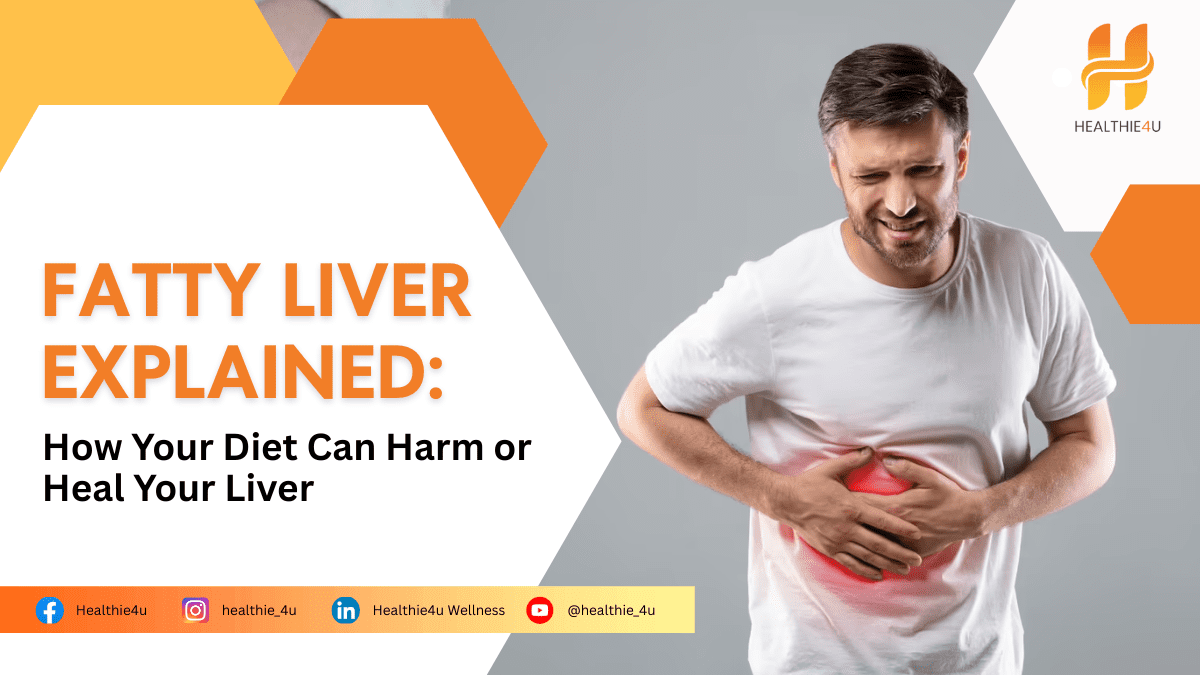
How Your Diet Can Harm or Heal Your Liver | Fatty Liver Explained

By Fatty Liver

Fatty Liver Explained: How Your Diet Can Harm or Heal Your Liver

Fatty liver disease happens when extra fat builds up in your liver. A small amount of fat in the liver is normal, but too much can cause health problems over time.

There are two main types of fatty liver disease:

  • Non-Alcoholic Fatty Liver Disease (NAFLD)- This is the most common type and happens in people who don’t drink much alcohol. It’s mostly linked to unhealthy eating, being overweight, not moving enough, and having conditions like diabetes or high cholesterol.
  • Alcoholic Fatty Liver Disease (AFLD)- This type is caused by drinking too much alcohol, which damages liver cells and leads to fat buildup.

NAFLD is becoming more common these days, especially because of poor diets, fast food, sugary drinks, and less physical activity. The good news? Since it’s closely tied to lifestyle, it can often be improved or even reversed through healthy changes in diet and daily habits


How Your Diet Affects Fatty Liver

The food we eat has a big impact on our liver. If we eat too much unhealthy food, it can cause fat to build up in the liver over time. Here’s how certain eating habits can lead to fatty liver:

1.      Too Many Calories and Sugar-

When we eat more calories than our body needs, especially from sugary drinks, white bread, and sweets, our body turns the extra sugar into fat. Some of that fat ends up in the liver, which can lead to fatty liver disease.

2.      Too Much Fructose-

Fructose is a type of sugar found in soft drinks, candy, and even some fruit juices. When we eat a lot of it, the liver gets overloaded and starts storing more fat.

3.      Unhealthy Fats-

Eating a lot of fried foods, fast food, and packaged snacks that contain trans fats or too much saturated fat can cause fat to collect in the liver, putting an extra overload.

4.      Not Enough Fiber and Nutrients-

A diet low in fiber and rich in ultra-processed foods lacks the essential nutrients that support liver function, like vitamin E, choline, and antioxidants.


Symptoms: Often Hard to Notice

Fatty liver is sometimes called a “silent” disease because many people don’t feel sick or have clear symptoms in the early stages. But as the condition gets worse, some signs may start to show, such as:

  • Feeling tired all the time
  • A heavy or uncomfortable feeling on the upper right side of the belly
  • Gaining weight easily or finding it hard to lose weight
  • Higher liver enzyme levels in blood tests, which can be a sign that the liver is under stress

If not managed, fatty liver can become more serious. It can lead to inflammation in the liver (called NASH), liver scarring (fibrosis), and over time, even cirrhosis or liver cancer.


The Role of Nutrition in Fatty Liver Disease

The good news is that fatty liver can often be reversed, especially in the early stages, just by making better food and lifestyle choices. Just like unhealthy eating can cause liver problems, healthy eating can help heal it. Here are some key nutrition and lifestyle tips that really make a difference:

  1. Lose Weight Slowly and Safely- A weight loss of 5-10% of body weight can significantly reduce liver fat. Crash diets are discouraged, as rapid weight loss can worsen liver inflammation.
  2. Eat More Fiber and Plant-Based Foods- Fill your plate with vegetables, fruits, whole grains, beans, lentils, nuts, and seeds. These foods help lower liver fat, improve digestion, and give your body the nutrients it needs to heal.
  3. Cut Down on Sugar and Refined Carbs- Avoid foods like white bread, sugary drinks, pastries, and snacks made with white flour or added sugars. These raise blood sugar levels and increase fat buildup in the liver.
  4. Limit Saturated and Trans Fats- Avoid fried foods, processed snacks, and foods with trans fats or too much saturated fat.
  5. Watch Your Fructose Intake- Fructose, a sugar found in sodas, candies, and even fruit juices, is metabolized mainly by the liver. High fructose intake can overwhelm the liver, promoting fat buildup and inflammation.
  6. Drink Plenty of Water- Your liver needs water to flush out toxins. Try to drink at least 8- 10 glasses a day.
  7. Consider Helpful Supplements (only with medical advice)- Some people may benefit from certain supplements, but always check with a doctor first. These may include Vitamin E, Choline, Probiotics, etc.

Lifestyle Changes That Support a Healthy Liver

  • Exercise regularly- Try to get at least 30 minutes of moderate activity, 5 days a week.
  • Reduce stress- Stress affects hormones and liver function. Deep breathing, walking, or hobbies can help.
  • Get good sleep- Aim for 7–8 hours per night. Poor sleep can make it harder to control weight, blood sugar, and liver health.
  • Avoid alcohol- Alcohol puts extra stress on your liver and makes fatty liver worse. Even small amounts can damage a liver that already has fat buildup. Giving up alcohol helps your liver heal and reduces the risk of serious liver problems. It’s one of the most important steps to protect your liver health.

Fatty liver doesn’t have to get worse. With the right food choices, enough movement, and some self-care, you can give your liver the support it needs to heal and work well again. Small changes really do add up!

To follow a personalized Fatty Liver Disease Diet with expert-designed meal plans and daily food tracking, use the Healthie4U App — your smart companion for reversing fatty liver naturally. Download now and start your healing journey.

To learn more in detail about the Top 3 Reasons You’re Not Losing Weight — Nutrition Mistakes to Avoid, check out our full blog now.

Omega-3 fatty acids

Lower Your Cholesterol Naturally: The Omega-3 Advantage Explained

By Cholesterol

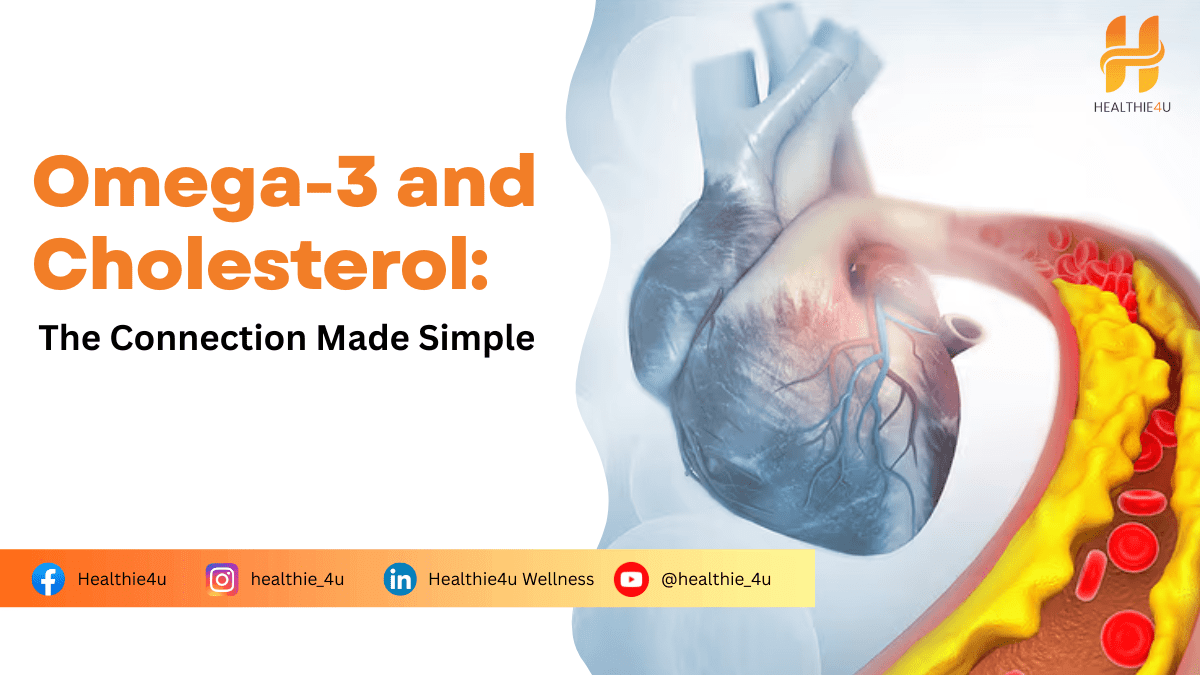
Omega-3 Fatty Acids and Cholesterol: How Omega-3 Helps Improve Heart Health

When it comes to improving heart health, one topic that continues to stand out in research, nutrition discussions, and medical advice is the powerful connection between omega-3 fatty acids and cholesterol. While both terms are commonly heard, many people don’t fully understand how closely they are related and why balancing them is crucial for a healthy heart. Omega-3 fatty acids are often known as “good fats,” while cholesterol is a type of fat found in the blood — but the role they play in the body is significantly different. The exciting part is that omega-3s can help regulate cholesterol levels and reduce the risk of heart disease when included in your daily diet.

In this article, we break down what omega-3s really are, what cholesterol does in your body, how they interact, and how increasing omega-3 intake can support better heart health. You’ll also learn practical ways to include more omega-3s in your diet, along with helpful resources for achieving a healthier lifestyle.


What Are Omega-3 Fatty Acids?

Omega-3 fatty acids are essential healthy fats that your body needs for several functions — including heart, brain, and hormone health — but the body cannot produce them on its own. This means that you must get omega-3s through food or supplements. There are three primary types of omega-3s:

1. ALA (Alpha-linolenic Acid)

Found in plant-based foods such as:

  • Flaxseeds

  • Walnuts

  • Chia seeds

2. EPA (Eicosapentaenoic Acid)

Found mainly in fatty fish such as:

  • Salmon

  • Mackerel

  • Sardines

3. DHA (Docosahexaenoic Acid)

Also found in fatty fish and extremely important for brain, eye, and heart function.

Studies show that omega-3s help reduce inflammation in the body, lower blood pressure, improve blood vessel function, and support healthy cholesterol levels — all of which are essential for a strong cardiovascular system.


What Is Cholesterol?

Cholesterol is a type of fat found in the blood, and your body needs it to build cells and produce hormones. However, the key to maintaining good health is having the right balance of cholesterol. There are two main types:

1. LDL (Low-Density Lipoprotein)Bad Cholesterol

Too much LDL can lead to the buildup of plaque in the arteries, causing them to narrow and harden. This increases the risk of:

  • Heart attacks

  • Strokes

  • High blood pressure

2. HDL (High-Density Lipoprotein)Good Cholesterol

HDL works like a cleaner — it removes LDL from the bloodstream and transports it to the liver for elimination.

So, cholesterol is not the enemy — imbalance is. Having high LDL and low HDL increases heart disease risk, while higher HDL and lower LDL help protect your cardiovascular system.


How Omega-3 Fatty Acids Help Control Cholesterol

Omega-3s have powerful benefits related to cholesterol management. Here’s how:

1. Lowering LDL (Bad Cholesterol)

Omega-3s, especially EPA and DHA, help reduce LDL levels in the blood. Lower LDL means fewer plaque formations in arteries, better circulation, and reduced risk of heart disease.

2. Increasing HDL (Good Cholesterol)

Omega-3s help raise HDL cholesterol levels, enabling the body to remove excess LDL. This natural cleansing effect keeps arteries clear and supports better heart function.

3. Reducing Triglycerides

Triglycerides are another form of fat in the blood. High triglycerides increase the risk of heart attacks. Omega-3s are proven to significantly lower triglyceride levels, helping protect your cardiovascular system.

4. Improving Blood Flow

Omega-3s help keep blood vessels flexible and smooth, reducing the risk of clotting, high blood pressure, and restricted blood flow.


Best Sources of Omega-3 Fatty Acids

To enjoy the benefits of omega-3s, include these foods regularly:

Fatty Fish

Salmon, tuna, mackerel, sardines, and trout

Seeds & Nuts

Flaxseeds, chia seeds, walnuts, hemp seeds

Plant-Based Oils

Flaxseed oil, algal oil (great for vegans)

Omega-3 Supplements

Fish oil, cod liver oil, or vegan algal omega supplements

Try to eat fatty fish 2–3 times a week or use supplements if you don’t eat seafood.


How to Apply Omega-3 Knowledge to Your Diet & Heart Health

  • Add chia or flaxseeds into your smoothies or oatmeal

  • Add fish like salmon or tuna to your weekly meal plan

  • Choose walnuts over processed snacks

  • Use omega-3 supplements if your diet restricts fish


Conclusion

Omega-3 fatty acids are one of the most effective natural ways to improve heart health, manage cholesterol levels, and protect your cardiovascular system. By helping lower LDL (bad cholesterol), increase HDL (good cholesterol), and reduce triglycerides, omega-3s support a healthy blood flow and significantly decrease the risk of heart disease.

Combine omega-3-rich foods with regular exercise, stress management, good sleep, and avoiding smoking to maintain long-term heart health.

Looking for a structured system to track nutrition, monitor cholesterol, and improve your heart health?
The Healthie4U App offers personalized diet plans, omega-3 fatty acids rich meal suggestions, calorie tracking, and customized heart-healthy recipes designed by certified experts.
Download the app today and start your journey to better heart health — smarter, healthier, and guided by professionals.

Want to learn more natural ways to improve cholesterol levels? Check out our blog: How Including Nuts & Seeds in a Nutritious Diet Can Help Lower Cholesterol — discover how everyday foods like chia, flaxseeds, and walnuts can support a healthier heart!

Headaches

Fast and Efficient Solutions for Headaches You Should Be Aware Of

By Headache

A headache  is a type of pain or discomfort felt in the head, scalp, or neck area. It’s a common condition that can vary in intensity, location, and cause. Headaches occur when the pain-sensitive structures around the brain, including nerves, muscles, blood vessels, and membranes, are affected.


  • Types of Headaches :

Headache are generally categorized into two main types:


  1. Primary Headaches:

    These are not caused by an underlying medical condition but rather by over activity or problems with pain-sensitive structures in the head. Common types include:

  •   Tension Headache: Often due to stress, poor posture, or muscle tension, these are the most common type and feel like a tight band around the head.
  •    Migraine Headache: Intense, throbbing pain, usually on one side of the head, often accompanied by nausea, light, and sound sensitivity.
  •    Cluster Headache: Severe, recurring headache that are felt around one eye or one side of the head, often in clusters lasting days to weeks.


  1. Secondary Headaches:

    These are caused by an underlying condition or external factor. Examples include:

  •   Sinus Headaches: Caused by sinus inflammation due to infections or allergies.
  • Medication Overuse Headaches (Rebound Headache): From frequent use of headache medications.
  • Headaches due to Illness or Injury: Such as headache from a cold, flu, concussion, or head injury.


  • Common Causes and Triggers :-

Headache can be triggered by a wide range of factors, including:

  • Stress and Tension:  Emotional or physical stress can lead to tension headaches.
  • Dietary Triggers:  Alcohol, caffeine, dehydration, and certain foods can contribute to headaches.
  • Hormonal Changes: Fluctuations in hormones, such as during menstruation, pregnancy, or menopause, can cause headaches.
  • Environmental Factors: Bright lights, loud noises, strong smells, and changes in weather or altitude.
  • Sleep Patterns: Lack of sleep, poor-quality sleep, or even oversleeping can lead to headache.


  • Symptoms of Headache :-

Symptoms vary depending on the type of headache but commonly include:

  • Dull, aching pain or pressure
  • Throbbing or pulsing sensation
  • Pain on one side of the head (migraines) or around the forehead and neck (tension headaches)
  • Sensitivity to light, sounds, or smells (common with migraines)
  • Nausea or vomiting (often with migraines)


Nutrition can play a significant role in managing and even preventing headache. Here are some key nutritional factors to consider for headache relief:

  1. Stay Hydrated

  • Dehydration is a common cause of headache, so drinking plenty of water throughout the day can prevent headache from developing. Herbal teas and water-rich foods like cucumbers and watermelon are also helpful for staying hydrated.
  1. Manage Caffeine Intake

  • While small amounts of caffeine can help relieve headache, too much can lead to dependency and rebound headaches if you skip it. Try to moderate your caffeine intake from sources like coffee, tea, and soda.
  1. Include Magnesium-Rich Foods

  • Magnesium deficiency is linked to migraine and headache. Foods like leafy greens, nuts, seeds, avocados, and bananas can help maintain magnesium levels. You might also consider a magnesium supplement if you’re prone to migraines.
  1. Eat Regularly to Stabilize Blood Sugar

  • Skipping meals or eating irregularly can lead to drops in blood sugar, which is a common headache trigger. Eating balanced  meals that include protein, complex carbohydrates, and healthy fats can help keep blood sugar levels stable.
  1. Limit Processed Foods and Avoid Certain Additives

  • Processed foods often contain additives like monosodium glutamate (MSG), nitrates, and artificial sweeteners (especially aspartame), which can trigger headache in some people. Choosing whole, minimally processed foods may reduce headache frequency.
  1. Incorporate Anti-Inflammatory Foods

  • Inflammation can play a role in headache, so foods rich in omega-3 fatty acids (like salmon, walnuts, and flaxseeds) and antioxidants (found in berries, leafy greens, and dark chocolate) can help reduce inflammation.
  1. Avoid Potential Triggers (Personal Sensitivities)

  • Certain foods, like aged cheeses, chocolate, alcohol (especially red wine), and citrus fruits, can trigger headaches in some people. If you notice a pattern, it might help to reduce or avoid these foods.
  1. Get Enough B Vitamins

  • B vitamins, particularly riboflavin (B2) and B6, may reduce headache frequency and severity. They’re found in foods like eggs, lean meats, whole grains, and dark leafy greens.

If headaches are frequent, it may be worth keeping a headache diary to help you track what you eat and identify any specific food triggers.

Want personalized diet guidance for headache prevention, hydration tracking, and nutrient-rich meal plans? Download the Healthie4U App and get expert-designed plans to manage headache naturally and improve overall health.

Want to know why nutrition plays a major role in your wellness journey? Check out our blog: Top 3 Reasons You’re Not Losing Weight — Nutrition Mistakes to Avoid to understand the common nutritional errors that may affect headache frequency too.

Heart Attack

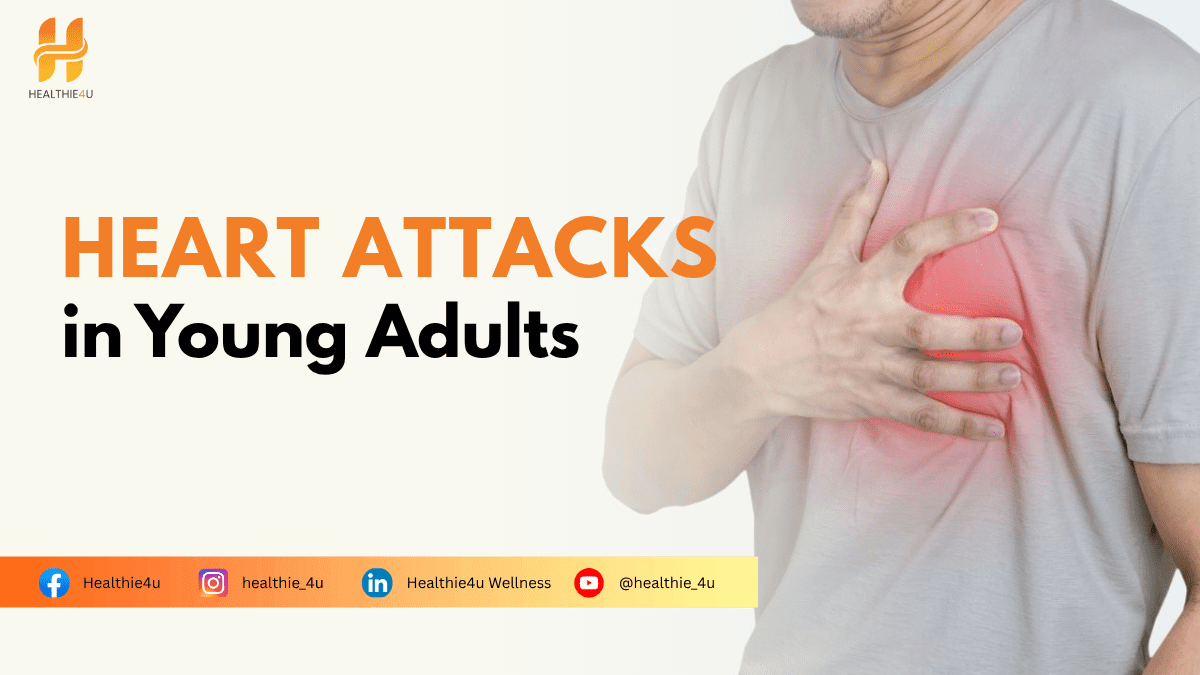
Prevention of Heart Attacks in Young Adults

By Blood Pressure, Cholesterol, Fitness


Heart attacks are no longer just a concern for older people; they are increasingly affecting adults aged 30-40. Heart disease is now one of the leading causes of death in this age group, making it essential to understand the risks and take steps to prevent heart problems early in life. Making simple changes to your lifestyle, especially in terms of diet, can help reduce the risk of heart disease.

Why Heart Attacks Are Becoming More Common in Younger Adults

There are several reasons why heart attacks are happening more often among young adults:

  1. Unhealthy Eating Habits: A diet high in processed foods, sugary snacks, and unhealthy fats can lead to obesity, high blood pressure, and high cholesterol, which increase the risk of heart disease.
  2. Lack of Exercise: Many young adults sit for long hours at desks or in front of screens, leading to little physical activity. This lifestyle can cause weight gain and high blood pressure, both of which are bad for heart health.
  3. Stress: Anxiety, stress, and depression are common in younger adults, often causing unhealthy behaviors like overeating, smoking, or drinking too much alcohol, all of which can harm the heart.
  4. Smoking and Drinking: Smoking and drinking too much alcohol damage the heart and blood vessels, raising the chances of having a heart attack.
  5. Genetics: If there’s a history of heart disease in the family, young adults may be at a higher risk of developing heart problems, even if they live healthily.
  6. Hidden Health Issues: Conditions like high blood pressure, high cholesterol, and diabetes often go undiagnosed in young adults. These problems, if ignored, can increase the risk of heart disease.

How to Prevent a Heart Attack in Your 30s and 40s

Even though you can’t control some things, like family history, there’s a lot you can do to lower the risk of heart disease. The key is to focus on healthy eating, staying active, and managing stress.

1. Eat a Heart-Healthy Diet

What you eat affects your heart in many ways. Here’s how to eat in a way that’s good for your heart:

  • Eat More Fiber: Foods like whole grains, fruits, vegetables, and beans are rich in fiber, which helps lower cholesterol. Fiber is important for heart health, so try to include foods like oats, apples, and beans in your meals.
  • Choose Healthy Fats: Replace unhealthy fats found in butter, red meat, and processed foods with healthier fats. Good fats can be found in olive oil, avocados, nuts, seeds, and fatty fish like salmon.
  • Cut Back on Sugar and Processed Foods: Eating too much sugar and processed food can lead to weight gain and increase the risk of heart disease. Focus on whole foods like vegetables, lean meats, and fruits instead.
  • Limit Salt: Too much salt can raise blood pressure, a major risk factor for heart disease. Avoid processed foods, and use herbs and spices to season your meals instead of salt.
  • Drink Water: Staying hydrated is important for your heart. Try to drink water throughout the day and avoid sugary drinks like soda, which can cause weight gain and higher blood pressure.

2. Exercise Regularly

Exercise is one of the best ways to keep your heart healthy. Try to get at least 150 minutes of moderate exercise (like brisk walking or cycling) every week. Exercise helps lower blood pressure, keep weight in check, and improve overall heart health.

Strength training, such as lifting weights, can also help by increasing muscle mass and metabolism, which supports fat loss.

3. Manage Stress

Chronic stress can increase the risk of heart disease. It’s important to find ways to reduce stress. Try relaxing activities like yoga, meditation, or simply spending time on hobbies you enjoy. These practices can help lower stress and keep your heart healthy.

4. Quit Smoking and Limit Alcohol

Smoking is one of the top causes of heart disease. The chemicals in cigarettes damage blood vessels and increase the risk of a heart attack. Quitting smoking can greatly improve heart health.

Drinking too much alcohol is also harmful to the heart. Stick to the recommended limits: no more than one drink per day for women and two for men.

5. Keep Track of Your Health

Regular check-ups are essential for monitoring important health markers, such as blood pressure, cholesterol, and blood sugar levels. If any of these are too high, treating them early can help prevent heart problems. If heart disease runs in your family, make sure to have regular health screenings.

6. Get Enough Sleep

Good sleep is necessary for heart health. Aim for 7-9 hours of sleep every night. Lack of sleep can raise blood pressure and increase the risk of obesity, which can harm the heart.

7. Maintain a Healthy Weight

Being overweight, especially around your belly, increases the risk of heart disease. Losing even a small amount of weight can lower your risk of high blood pressure, diabetes, and other heart disease risk factors.

Conclusion

Heart attacks are no longer just an issue for older adults—they are increasingly affecting people in their 30s and 40s. Taking action early to improve your diet, exercise regularly, manage stress, quit smoking, and stay on top of your health can significantly reduce your risk of heart disease. By making these simple changes now, you can protect your heart and live a long, healthy life. Start taking care of your heart today

For personalized diet charts, heart-friendly meal plans, weight management guidance, and regular nutrition tracking, download the Healthie4U App — your smart partner for building a healthy heart lifestyle, reducing heart attacks.

To explore more heart-healthy food choices,
👉 read our blog: How Including Nuts & Seeds in a Nutritious Diet Can Help Lower Cholesterol — a key step toward preventing heart attacks.

Close Menu

Contact us