
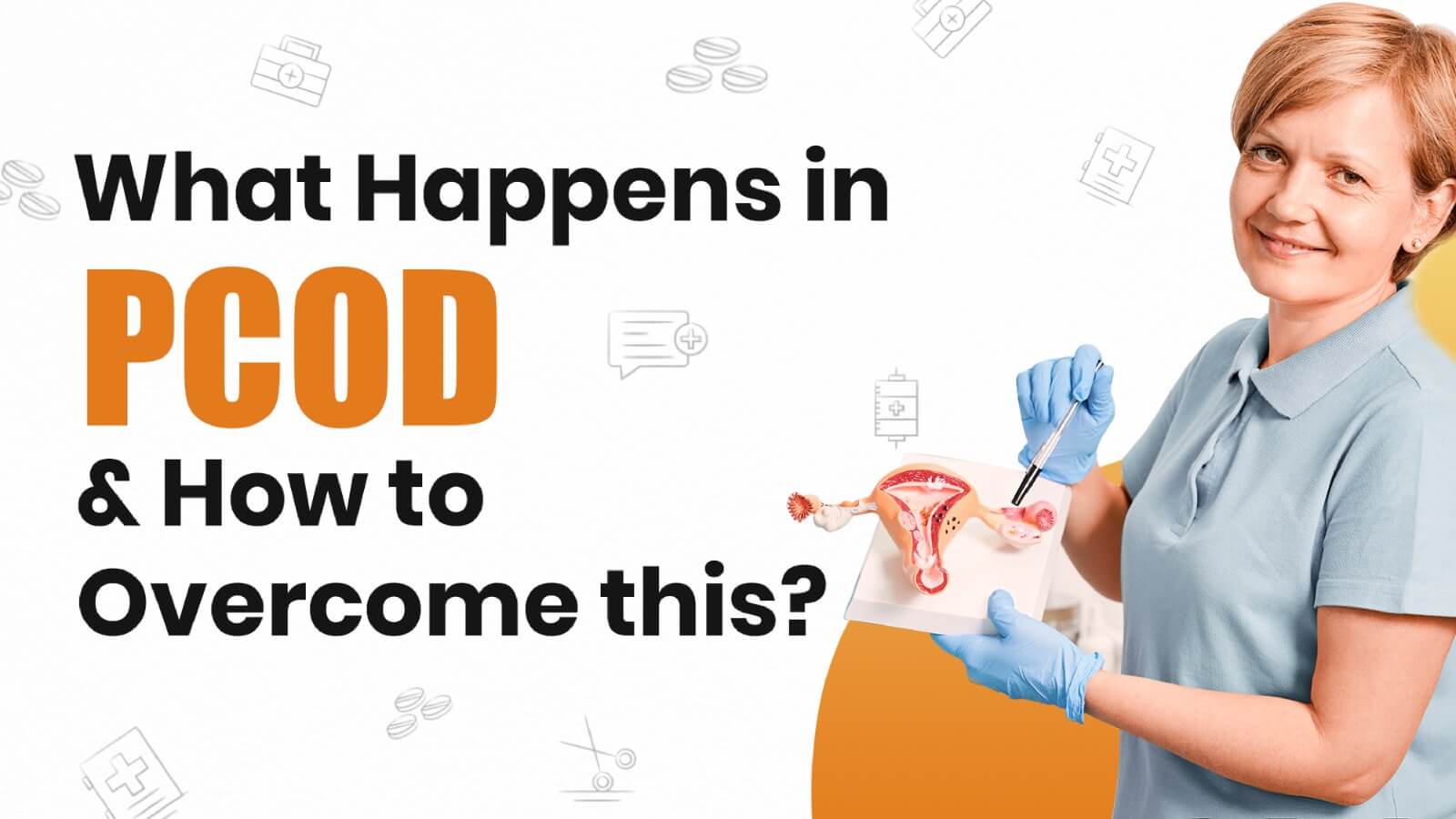
What Happens in PCOD & How to Overcome It?
PCOD is one of the most common hormonal disorders affecting women today, yet it remains misunderstood and often overlooked. Many women struggle silently due to lack of awareness, confusion about symptoms, and uncertainty regarding treatment options. To support better understanding, let’s break down what actually happens in PCOD, why it occurs, and how you can effectively manage and overcome its challenges.
According to global health statistics, more than half of women with PCOS develop type 2 diabetes by the age of 40, showing a direct connection between hormonal imbalance and long-term health risks. But before diving into solutions, we must clearly understand what PCOS is and how it affects the body.
What Is PCOD?
PCOD (Polycystic Ovary Disease) occurs when the ovaries start producing excessive androgens—male hormones—which disrupt the natural hormonal cycle in women. This imbalance affects the normal production of estrogen and progesterone, creating difficulties in ovulation. In many cases, small immature eggs turn into fluid-filled cysts, leading to multiple physical and metabolic symptoms.
Picture your body as an orchestra and hormones as the conductor. When hormones work in harmony, the body performs smoothly. But in PCOS, this harmony becomes disturbed. The hormonal imbalance leads to irregular menstrual cycles, fertility challenges, acne, excessive facial hair growth, weight gain, and mood fluctuations. These symptoms vary from person to person—some women experience mild issues while others face more intense effects.
It’s important to understand that women experiencing PCOD are not alone. Studies suggest that at least 10% of women of reproductive age suffer from this condition. Recognizing the signs early helps prevent complications like diabetes, heart disease, and mental health struggles.
What Happens in PCOD?
When it occurs, the body begins responding differently:
-
The ovaries release eggs irregularly or may stop releasing them altogether.
-
Androgen levels rise, causing symptoms such as acne and unwanted hair growth.
-
Insulin resistance increases, meaning the body becomes less responsive to insulin, increasing the risk of diabetes.
-
Weight gain becomes more likely due to disrupted metabolism.
-
Periods become unpredictable, heavier, lighter, or completely absent.
This chain reaction affects both physical and emotional wellbeing. Many women with PCOD experience low confidence, anxiety, and frustration due to lifestyle challenges, body image changes, and fertility-related concerns.
How to Overcome PCOD?
Though there is no complete cure, PCOD is manageable with the right approach. Think of lifestyle changes as tuning instruments back into harmony.
1. Balanced Diet
A nutritious and well-balanced diet is one of the strongest tools for managing PCOD. Focus on whole grains, vegetables, fruits, lean protein, and healthy fats. Reduce refined sugar, deep-fried foods, and processed items that increase inflammation and insulin resistance. Eating smaller, frequent meals helps regulate blood sugar levels and supports hormonal balance.
Healthie4U offers customized diet plans designed specifically for PCOD, helping create sustainable eating habits that generate real results.
2. Regular Exercise
Physical activity plays a critical role in improving insulin sensitivity and maintaining a healthy weight. Women with it benefit greatly from activities such as brisk walking, strength training, dance workouts, cycling, or yoga. Exercise not only supports weight control but also regulates hormones and improves mood.
3. Stress Management
Stress increases cortisol—a hormone that worsens hormonal imbalance. For women with PCOS, managing stress is essential. Practices such as meditation, journaling, deep breathing, and hobbies help calm the nervous system and improve emotional balance.
4. Quality Sleep
Sleep impacts hormones more than most people realize. Irregular or insufficient sleep can worsen PCOD symptoms by disrupting metabolic functioning. Develop a bedtime routine, avoid screens late at night, and aim for 7–9 hours of rest.
5. Medical Guidance
A professional healthcare provider can help diagnose the severity of PCOD and create a personalized treatment plan. For some women, medication may be required to regulate periods, control acne, or manage hair growth. Delaying treatment may worsen symptoms, so seeking guidance early is crucial.
Final Thoughts
Managing PCOD is not about quick fixes—it’s about creating a lifestyle that supports hormonal balance and long-term health. Small changes practiced consistently lead to meaningful improvement. Patience, discipline, and the right guidance can help women regain control of their bodies and lives.
Remember, it does not define you. With awareness, support, and a structured lifestyle, you can rise above its challenges.
Take the first step toward improvement—schedule your consultation with Healthie4U and begin your journey to reversing PCOD naturally, confidently, and sustainably.