
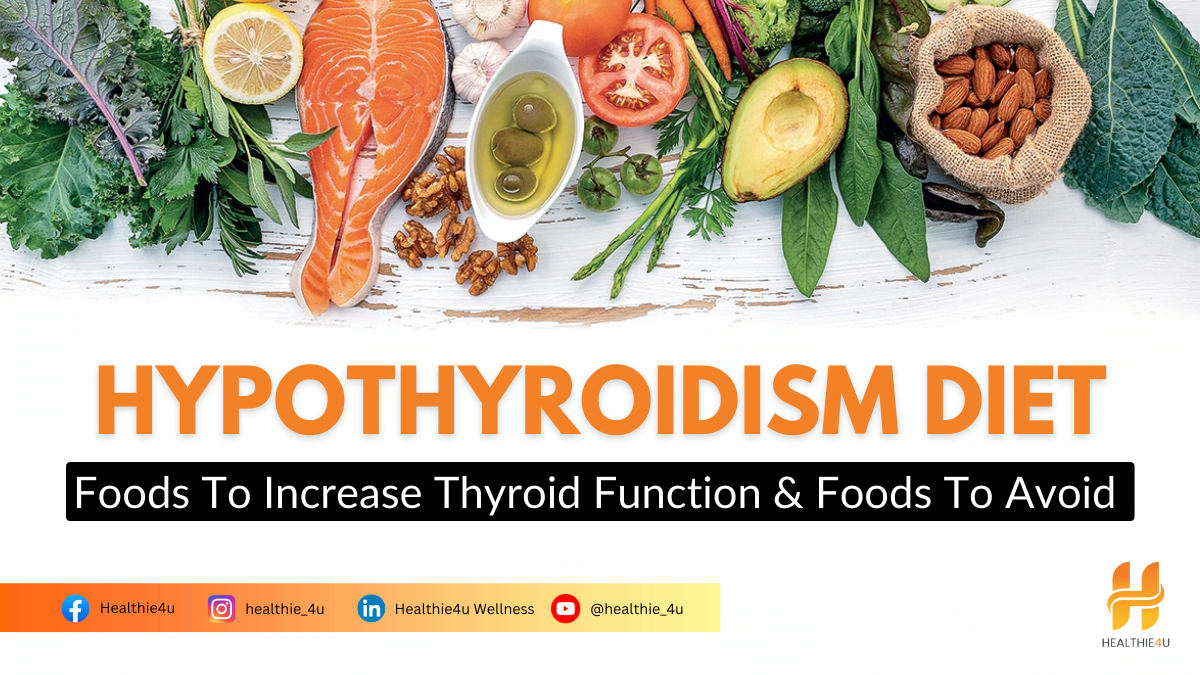
Living with hypothyroidism can be challenging, especially when symptoms like extreme fatigue, weight gain, dry skin, hair loss, and low mood start to interfere with everyday life. Hypothyroidism occurs when the thyroid gland does not produce enough thyroid hormones, which slows down important functions such as metabolism, energy production, and body temperature regulation. While medication prescribed by healthcare professionals is essential, many people want to know whether food can play a supportive role. The answer is yes—following the right hypothyroidism diet can improve energy levels, support hormone balance, and enhance overall well-being.
Understanding Hypothyroidism and Its Symptoms
The thyroid is a small, butterfly-shaped gland located in the front of the neck. It releases two essential hormones—T3 (triiodothyronine) and T4 (thyroxine)—that regulate metabolism, heart rate, brain development, digestive function, and body temperature. When the gland becomes underactive, the body’s processes slow down, leading to several noticeable symptoms. Common signs of hypothyroidism include:
-
Persistent fatigue and low energy
-
Unexplained weight gain or difficulty losing weight
-
Increased sensitivity to cold
-
Dry skin and brittle hair
-
Constipation
-
Depression, anxiety, or mood swings
-
Memory problems or brain fog
-
Muscle weakness or joint pain
-
Irregular or heavy menstrual cycles
Recognizing these symptoms early and making lifestyle adjustments, including following a healthy hypothyroidism diet, can significantly improve quality of life.
Key Nutrients Essential in a Hypothyroidism Diet
For individuals managing hypothyroidism, nutrition plays a crucial role. Certain vitamins and minerals support thyroid hormone production and conversion, making them essential in a hypothyroidism diet.
1. Iodine
Iodine is a key nutrient required for the production of thyroid hormones. Seafood, seaweed, dairy, and iodized salt are rich in iodine. However, moderation is crucial because both deficiency and excess iodine can negatively affect thyroid health. A balanced hypothyroidism diet ensures proper iodine intake without overconsumption.
2. Selenium
Selenium assists with converting inactive T4 hormones into active T3 hormones. It also protects the thyroid gland from inflammation. Foods such as Brazil nuts, eggs, tuna, and sunflower seeds are excellent additions to a hypothyroidism diet.
3. Zinc
Zinc supports hormone production and boosts immunity. Pumpkin seeds, chickpeas, eggs, and poultry are great sources. Including zinc-rich foods in a hypothyroidism diet may help improve thyroid hormone regulation naturally.
4. Vitamin D
Many individuals with hypothyroidism experience low vitamin D levels, which can worsen fatigue and mood changes. Exposure to sunlight, fatty fish, and fortified foods can support vitamin D levels. Adding these sources to a hypothyroidism diet may improve overall health.
5. Iron
Iron deficiency can impair thyroid function and cause fatigue. Red meat, spinach, beans, and lentils are beneficial choices. A balanced hypothyroidism diet should include iron-rich foods for improved energy and metabolism.
Foods That Support a Hypothyroidism Diet
Incorporating nutrient-dense foods into daily meals can strengthen thyroid function, reduce symptoms, and promote a healthier lifestyle. Beneficial foods to include in a hypothyroidism diet include:
Seaweed
A natural source of iodine that supports thyroid hormone production.
Fatty Fish
Fish such as salmon, sardines, and mackerel supply omega-3 fatty acids and selenium. They help lower inflammation and improve heart health, making them an ideal part of a hypothyroidism diet.
Dairy Products
Milk, yogurt, and cheese provide iodine, protein, and vitamin D.
Nuts and Seeds
Brazil nuts offer high amounts of selenium, while pumpkin and flax seeds provide zinc and omega-3s—important nutrients for a robust hypothyroidism diet.
Whole Grains
Foods like oats, quinoa, and brown rice supply essential fiber to ease constipation, a common symptom of hypothyroidism.
Foods to Limit or Avoid in a Hypothyroidism Diet
Some foods may interfere with thyroid hormone absorption or function. When planning a hypothyroidism diet, be mindful of the following:
Soy Products
Excess soy may disrupt hormone absorption. Limit soy milk, tofu, and edamame, especially if you take medication.
Cruciferous Vegetables
Vegetables such as broccoli, cauliflower, cabbage, and kale may affect thyroid function if eaten raw in large amounts. Cooking reduces their effect, so they can still be included carefully in a hypothyroidism diet.
Processed Foods
These foods are high in sodium and unhealthy fats and may worsen weight gain and fatigue.
Lifestyle Tips to Enhance a Hypothyroidism Diet
Managing hypothyroidism is not only about what you eat but how you live daily. Healthy habits can enhance the effectiveness of a hypothyroidism diet:
✔ Regular Exercise
Helps improve metabolism and energy levels.
✔ Quality Sleep
A lack of sleep influences hormone balance and increases stress.
✔ Stress Management
Practices like yoga, meditation, and breathing exercises help reduce cortisol, which often increases when thyroid function is low.
✔ Medication Timing
Always take thyroid medication on an empty stomach and avoid calcium or iron supplements within 4 hours of dosing.
Conclusion
A balanced hypothyroidism diet is not a cure, but it can significantly improve symptoms, support hormone balance, and enhance energy and metabolism. Combining essential nutrients, mindful food choices, healthy lifestyle habits, and proper medication can lead to better long-term management of hypothyroidism. Always consult with a healthcare provider or nutritionist before making major dietary changes.
By understanding your condition and following a supportive hypothyroidism diet, you can take control of your health and improve everyday well-being.
To understand how adjusting your calorie intake can support thyroid recovery and boost metabolism, read our detailed blog “Reverse Dieting: Can It Help You in Thyroid?” and explore the science behind Reverse Dieting for better hormonal balance. Also, download the Healthie4U app to get a personalized thyroid-friendly meal plan and expert nutrition support.