
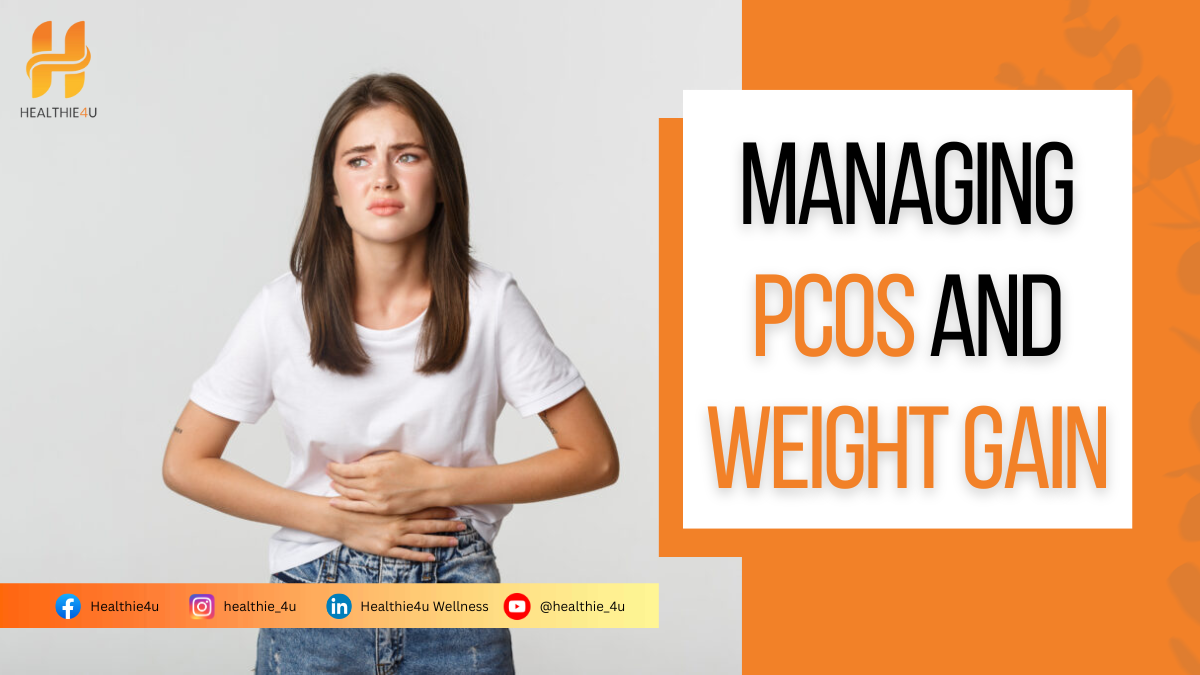
Understanding PCOS and Weight Gain: Causes, Symptoms & Effective Solutions
Polycystic Ovary Syndrome (PCOS) is one of the most common hormonal disorders, affecting around 15% to 18% of women of reproductive age. Nearly 1 in 10 women experience PCOS, making it a major health concern globally. PCOS is primarily driven by hormonal imbalances, especially insulin resistance and elevated androgen (male hormone) levels, which significantly influence metabolism and body weight. Because of this imbalance, PCOS and weight gain often go hand in hand, forming a cycle that can be challenging to break without proper management.
Common Symptoms of PCOS
Women diagnosed with PCOS may experience a variety of symptoms, many of which are connected to metabolic and hormonal disturbances:
-
Irregular menstrual cycle – Periods may be infrequent, occur more than 35 days apart, or happen fewer than eight times a year.
-
Ovarian cysts – Multiple immature follicles in the ovaries can fail to release eggs due to high androgen levels.
-
Weight gain – One of the most common concerns in PCOS. Insulin resistance increases hunger, promotes fat storage, and slows the body’s fat-burning ability, which leads to PCOS-related weight gain.
-
Hirsutism – Excess facial or body hair due to excess androgens.
-
Acne – Oily skin and frequent breakouts, especially on the face, chest, and back.
-
Alopecia – Hair thinning or male-pattern baldness.
-
Acanthosis Nigricans – Dark patches of skin, mostly around the neck, groin, and underarms, indicating insulin resistance.
-
Other concerns include mood swings, anxiety, sleep issues, food cravings, and infertility.
The Link Between PCOS and Weight Gain
The connection between PCOS and weight gain is complex and cyclical. Many women with PCOS struggle with insulin resistance, meaning the body has difficulty using insulin effectively. As a result, more insulin is produced, which increases fat storage and stimulates appetite—leading to rapid or unexplained weight gain.
Excess weight, in turn, worsens inflammation and hormonal imbalance, increasing symptoms such as irregular periods, acne, and hair growth. This cycle makes weight loss for PCOS more difficult than it might be for others.
However, even a 5–10% reduction in body weight can significantly improve symptoms, restore menstrual regularity, and enhance fertility.
Effective Weight Management Strategies for PCOS
Adopting healthy lifestyle habits is the most effective approach to managing PCOS and weight gain. Here are practical strategies:
1. Eat a Balanced PCOS-Friendly Diet
Focus on whole, unprocessed foods such as:
-
Non-starchy vegetables, fruits, lean proteins, legumes, nuts, and seeds
-
Healthy carbohydrates and low-fat dairy
These foods help regulate blood sugar and reduce inflammation—key factors in reducing PCOS weight gain.
2. Choose Low GI Foods
Low-glycemic foods cause a slower rise in blood glucose and support better insulin control. Examples include:
-
Eggs, poultry, meat, beans, nuts, seeds, quinoa, apples, pears, and leafy greens
3. Have Small Frequent Meals
Eating every 3–4 hours can stabilize blood sugar levels, improve metabolism, and reduce cravings linked with PCOS and weight gain.
4. Increase Omega-3 Rich Foods
Omega-3 fatty acids reduce inflammation, regulate hormones, and support fertility while aiding weight loss. Include:
-
Chia seeds, flaxseeds, walnuts, fatty fish, hemp seeds
5. Engage in Regular Physical Activity
Exercise helps improve insulin sensitivity and reduce PCOS-related weight gain. Benefits include:
-
Improved fitness, weight reduction, emotional balance, lower androgens, regular menstrual cycles, and better fertility
A combination of cardio (walking, cycling, swimming) and strength training is ideal.
6. Consider Supplements
Some supplements researched for PCOS management include:
-
Inositol, Vitamin D, Chromium, Curcumin, Berberine, CoQ10
(Use only under medical guidance.)
Final Thoughts
Successfully managing PCOS and weight gain requires a customized approach rooted in balanced nutrition, consistent exercise, and hormonal support. Prioritizing whole foods, regular movement, and lifestyle improvements can help control insulin resistance, reduce inflammation, and support emotional and physical well-being.
With the right plan, women with PCOS can achieve sustainable weight loss, improve hormonal balance, and regain control over their health and confidence.
To understand how PCOS can impact long-term heart health, read our detailed blog – Can PCOS Lead to a Heart Attack? Understanding the Link, and download the Healthie4U app for expert guidance and personalized support.