
Monk Fruit: A Natural Sweetener for a Healthier Lifestyle
In a world where people are becoming more conscious about sugar intake and long-term health, natural sweeteners are gaining enormous popularity. Among them, monk fruit has emerged as a trusted option for those looking to enjoy sweetness without negative health effects. It is widely recommended for people managing weight, diabetes, and metabolic health issues. But what makes it special, and why are nutritionists and health experts talking about it more than ever? This detailed article explores its origin, benefits, uses, and how it compares to other sweeteners.
What is Monk Fruit?
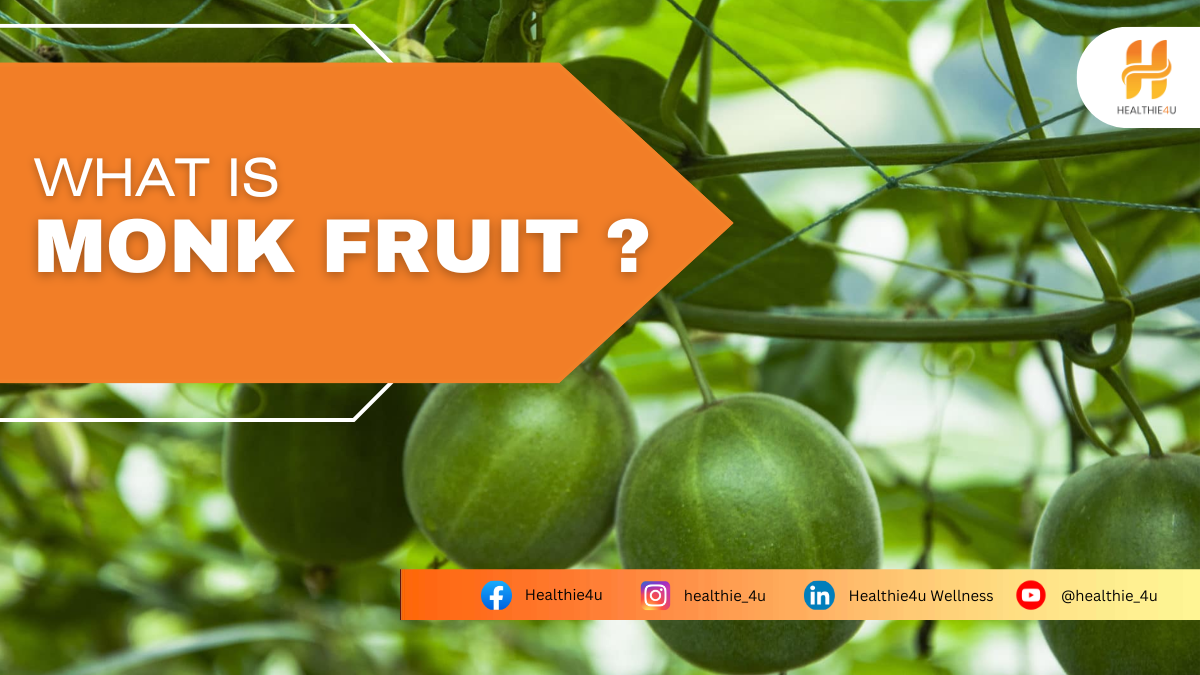
It is a small green melon-like fruit native to the mountainous regions of China and Thailand. Historically, it was used in traditional medicine to soothe coughs, cool the body, and improve breathing. Today, the fruit is primarily known for its sweetening properties. The sweetness comes from compounds called mogrosides, which are extracted after crushing the fruit to separate the juice and pulp. These mogrosides are over 100 times sweeter than regular table sugar.
What makes monk fruit so popular is its zero-calorie profile and the fact that it does not raise blood sugar levels. The U.S. Food and Drug Administration (FDA) has recognized it as safe, making it a reliable option for long-term use in foods and beverages.
Why People Choose Monk Fruit
There are several reasons why it is replacing sugar and artificial sweeteners in many households.
1. Helps with Weight Management
Since it does not contain calories, it can significantly help individuals trying to reduce calorie intake and maintain a healthy weight. Many people add it to drinks or desserts as a sugar substitute without feeling guilty or sacrificing taste.
2. Suitable for Diabetics
Unlike sugar, honey, and jaggery, it does not spike blood glucose levels. It offers sweetness without compromising insulin sensitivity, making it a safe choice for diabetics and those who follow a low-carb or ketogenic diet.
3. Rich in Antioxidants
Mogrosides found in it possess natural antioxidant properties known to reduce inflammation and cellular stress. Antioxidants are essential for heart health, healthy aging, and immune system support.
Comparison: Monk Fruit vs. Other Sweeteners
There are many sweeteners on the market, but each works differently in the body. Below is a comparison to highlight why monk fruit is considered a cleaner option.
| Sweetener | Calories | Effect on Blood Sugar | Notes |
|---|---|---|---|
| Monk fruit | 0 | No spike | Natural taste, clean sweetness |
| Sugar | High | Strong spike | Risk of weight gain & diabetes |
| Honey | Moderate | Mild spike | High calorie, natural but dense |
| Stevia | 0 | No spike | Can have bitter aftertaste |
| Artificial sweeteners | 0 | No spike | Possible long-term safety concerns |
How it Stands Out –
Many artificial sweeteners, such as sucralose and aspartame, have been criticized for digestive discomfort and potential metabolic effects. Monk fruit, however, is a natural source with no such safety concerns, making it a preferable choice for daily use.
How to Use Monk Fruit in Everyday Meals
One reason people love monk fruit is because it is incredibly versatile. It blends smoothly with both hot and cold recipes and doesn’t alter textures drastically.
Beverages
Use monk fruit in tea, coffee, juices, lemonade, flavored water, or smoothies. Because it is much sweeter than sugar, only a small amount is needed.
Baking
You can replace sugar with monk fruit in cakes, cookies, brownies, and muffins. It works especially well for gluten-free and keto baking.
Cooking
Add monk fruit to sauces, salad dressings, marinades, and gravies to balance acidity and enhance flavor.
Breakfast
Sprinkle monk fruit over yogurt bowls, cereals, oats, or fruit salads to enjoy sweetness without added sugar.
Desserts & Snacks
Use monk fruit in homemade bars, smoothies, puddings, and festive sweets like kheer or phirni.
Who Should Use Monk Fruit?
It may be an excellent choice for:
-
People aiming to lose weight
-
Individuals with diabetes or insulin resistance
-
Health-conscious families reducing sugar consumption
-
Children who tend to consume sugary snacks
-
Fitness enthusiasts building clean eating habits
-
People avoiding artificial additives
Safety & Side Effects
Research indicates that it is safe for general consumption. It is considered safe for pregnant women, elderly individuals, and children. However, those with allergies to fruits in the gourd family should monitor reactions when using it for the first time.
Conclusion
In today’s health-driven lifestyle, reducing sugar is a major step toward better well-being. Monk fruit provides natural sweetness without calories, helps balance blood sugar levels, and offers antioxidant protection. It fits perfectly into everyday meals, making healthy eating more enjoyable and sustainable. If you’re trying to replace sugar without sacrificing taste, it may be the perfect long-term solution.
Incorporating this fruit into your routine could be the key to enjoying sweet flavors while supporting a healthier, more balanced lifestyle.
If you’re exploring more nutritious superfoods beyond monk fruit, don’t miss our detailed guide on Water Chestnuts (Singhada): A Crunchy and Nutritious Superfood You Should Try — another powerful addition to a healthy diet. And for personalized nutrition plans and expert guidance tailored to your goals, download the Healthie4U app today and start your wellness journey with confidence.