
10 Omega-3 Benefits for Heart Health: How to Control Cholesterol Naturally
Omega-3 benefits for heart are often underestimated, yet these essential fatty acids are crucial for maintaining cardiovascular health. In today’s world of fast food, sedentary lifestyles, and rising stress levels, heart disease is becoming a common problem. Omega-3s not only improve cholesterol levels but also provide numerous other heart-protective effects. In this article, we’ll explore 10 key omega-3 benefits for heart, the best dietary sources, and practical tips to incorporate them into your lifestyle.
What Are Omega-3 Fatty Acids?
Omega-3 fatty acids are healthy fats that the body cannot produce on its own. This means they must come from food or supplements. There are three main types:
-
ALA (Alpha-linolenic acid): Found in plant-based foods like flaxseeds, chia seeds, and walnuts.
-
EPA (Eicosapentaenoic acid): Found in fatty fish such as salmon, mackerel, and sardines.
-
DHA (Docosahexaenoic acid): Also in fatty fish, important for both brain and heart function.
Including these fats in your diet ensures your body receives the essential nutrients to maintain proper heart function and protect against cardiovascular diseases.
Understanding Cholesterol and Heart Health
Cholesterol is a type of fat present in your blood that the body needs for hormone production and cell repair. However, not all cholesterol is beneficial:
-
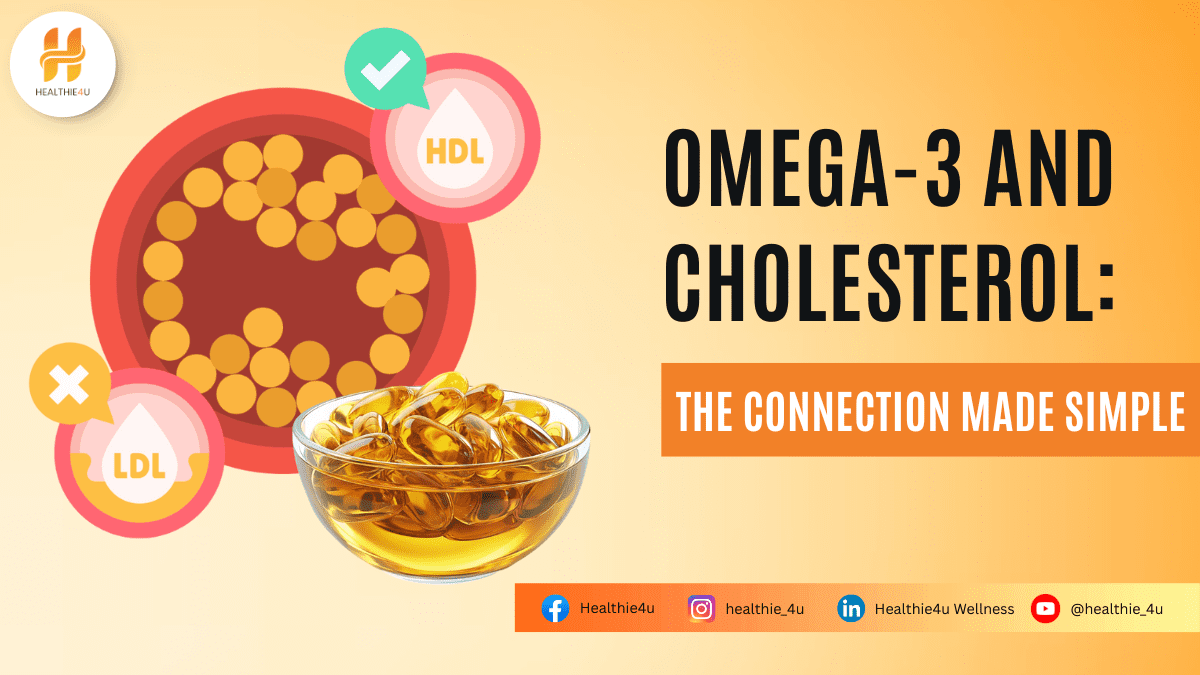
LDL (Low-density lipoprotein): Known as “bad cholesterol,” excessive LDL can lead to plaque buildup in arteries and heart disease.
-
HDL (High-density lipoprotein): Known as “good cholesterol,” HDL helps remove LDL from the bloodstream, keeping arteries clear.
Maintaining the right balance of LDL and HDL is crucial for heart health. This is where omega-3 benefits for heart come into play—they can naturally improve cholesterol balance and protect your cardiovascular system.
10 Omega-3 Benefits for Heart
Here are the top ways omega-3s support heart health:
-
Lower LDL (Bad Cholesterol)
High LDL cholesterol is a major risk factor for heart disease. Omega-3 fatty acids, particularly EPA and DHA, help reduce LDL levels, preventing arterial plaque buildup and supporting overall heart health. -
Increase HDL (Good Cholesterol)
Omega-3s can elevate HDL levels, which helps remove harmful LDL cholesterol from the bloodstream. Higher HDL levels are directly linked to a lower risk of heart disease. -
Reduce Triglycerides
Triglycerides are another type of fat in the blood. Elevated triglycerides can increase heart disease risk. Omega-3 intake is shown to lower triglyceride levels, offering a protective effect for your heart. -
Improve Blood Flow
Healthy arteries and blood vessels are essential for proper circulation. Omega-3 fatty acids improve blood vessel flexibility and function, reducing the risk of high blood pressure and arterial stiffness. -
Lower Inflammation
Chronic inflammation can damage arteries and contribute to cardiovascular issues. Omega-3s are anti-inflammatory, reducing arterial inflammation and protecting the heart. -
Support Heart Rhythm
Omega-3s help regulate heartbeat and reduce the risk of arrhythmias, which can otherwise lead to serious complications such as stroke or heart failure. -
Promote Healthy Blood Pressure
Consistent omega-3 intake has been linked to lower blood pressure, particularly in people with hypertension, further supporting heart health. -
Prevent Plaque Formation
By reducing LDL and triglycerides, omega-3s prevent plaque buildup in arteries, decreasing the chances of atherosclerosis and heart attacks. -
Protect Against Heart Disease
Regular omega-3 intake contributes to overall cardiovascular health, reducing the risk of heart attacks, strokes, and sudden cardiac events. -
Support Metabolism and Weight Management
Omega-3s also help regulate metabolic processes that influence fat storage and energy utilization, indirectly supporting heart health through weight management.
By understanding and using these 10 omega-3 benefits for heart, you can significantly improve your cardiovascular wellness.
Best Sources of Omega-3 for Heart Health
To enjoy omega-3 benefits for heart, include the following foods in your diet:
-
Fatty Fish: Salmon, mackerel, sardines, and trout are excellent sources of EPA and DHA.
-
Flaxseeds & Chia Seeds: Plant-based sources of ALA for vegetarians and vegans.
-
Walnuts: A convenient and heart-healthy snack.
-
Algal Oil: Vegan-friendly DHA source derived from algae.
-
Omega-3 Supplements: Fish oil or algal oil supplements can help if dietary intake is low.
Including these foods regularly ensures consistent omega-3 benefits for heart, particularly for cholesterol control and overall cardiovascular protection.
Practical Tips to Maximize Omega-3 Benefits for Heart
-
Eat fatty fish at least 2–3 times per week.
-
Add flaxseeds or chia seeds to smoothies, oatmeal, and salads.
-
Snack on walnuts or almonds instead of processed snacks.
-
Replace unhealthy fats with omega-3-rich oils like olive or algal oil.
-
Limit fried and processed foods that contribute to LDL cholesterol buildup.
-
Combine omega-3 intake with regular exercise and stress management techniques.
By following these strategies, you can maximize the omega-3 benefits for heart while improving your overall lifestyle.
Lifestyle Choices That Complement Omega-3 Intake
Heart health isn’t only about what you eat. To get the most out of omega-3 benefits for heart, adopt the following habits:
-
Exercise Regularly: Supports circulation, weight management, and heart function.
-
Avoid Smoking: Protects arteries from damage and maintains cholesterol balance.
-
Limit Alcohol: Excess alcohol can negatively affect heart health.
-
Manage Stress: Chronic stress elevates blood pressure and reduces HDL cholesterol.
-
Regular Check-Ups: Monitor cholesterol, blood pressure, and triglyceride levels to catch issues early.
Combining these lifestyle habits with omega-3 benefits for heart can dramatically reduce cardiovascular risks.
Conclusion
Omega-3 benefits for heart are essential for anyone looking to maintain a healthy cardiovascular system. These fatty acids lower LDL, raise HDL, reduce triglycerides, improve blood flow, and support overall heart health. Including fatty fish, flaxseeds, chia seeds, walnuts, or omega-3 supplements in your diet is a simple yet powerful way to protect your heart.
Remember, heart health is a combination of proper nutrition, regular exercise, and stress management. By incorporating omega-3 benefits for heart into your daily routine, you can proactively reduce the risk of heart disease and improve your overall quality of life.
Track your omega-3 intake and heart-healthy foods with the Healthie4U app to maximize omega-3 benefits for heart and cholesterol control.
While omega-3s from fish, flaxseeds, and walnuts play a vital role in managing cholesterol, you can further enhance heart health by including a variety of nuts and seeds in your diet. Check out our blog on How Including Nuts & Seeds in a Nutritious Diet Can Help Lower Cholesterol to discover the best choices for naturally reducing bad cholesterol and supporting cardiovascular health.