
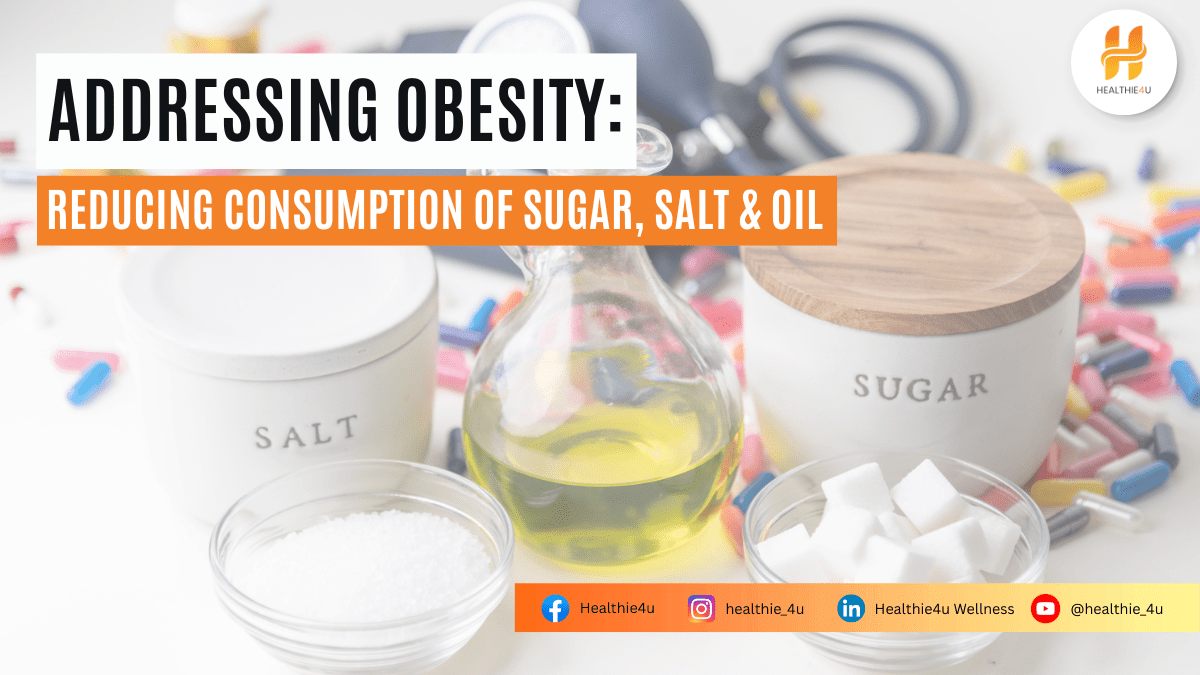
Addressing Obesity: Reducing Consumption of Sugar, Salt & Oil for a Healthier Life
Addressing obesity has become one of the most urgent health priorities in today’s world. Obesity is not just about body size or appearance; it is a serious health condition that increases the risk of many diseases such as diabetes, heart disease, high blood pressure, stroke, PCOS, thyroid issues, fatty liver, joint problems, sleep apnea, and even certain cancers. With growing access to processed foods, fast foods, sugary beverages, and sedentary lifestyles, weight gain has become more common than ever before.
Many people struggle with weight without realizing how daily food choices affect long-term health. The goal of addressing obesity is not extreme dieting or unrealistic body goals—it is about building healthier, sustainable habits. One of the simplest and most effective strategies in addressing obesity is reducing excessive consumption of sugar, salt, and oil, which silently contribute to fat accumulation, inflammation, and chronic lifestyle diseases.
The good news? You don’t need to starve or follow extreme diets. By making mindful changes—like cutting down on sugar, reducing salt intake, and managing the use of cooking oil—you can improve your weight, boost metabolism, and support overall wellness. Addressing obesity begins with understanding what your body really needs and removing what harms it.
Why Sugar, Salt, and Oil Matter in Addressing Obesity
Modern diets are overloaded with hidden sugar, excessive salt, unhealthy fats, and processed ingredients. They are addictive, convenient, and pleasurable—but they slowly damage health. The first step in addressing obesity is learning how these three elements affect the body.
1. Reducing Sugar Intake to Control Weight Gain
One of the strongest strategies for addressing obesity is reducing sugar intake. Sugar triggers insulin spikes, causes fat storage, increases cravings, and slows metabolism. The problem is that sugar is not only found in sweets—it hides in almost everything you buy: soft drinks, packaged juices, bakery items, cereals, biscuits, flavored yogurt, sauces, ketchup, health bars, and even foods advertised as “healthy.”
Simple Tips to Reduce Sugar
-
Replace desserts and sweets with fruits, nuts, or dark chocolate
-
Reduce consumption of soft drinks, packaged juices, sodas, and cold coffee
-
Choose whole fruits instead of bottled fruit juices
-
Try jaggery, honey, or stevia in small amounts instead of refined sugar
-
Check labels for hidden sugar names like fructose, corn syrup, sucrose, maltose
-
Limit sweet snacks during meals and festivals
Gradually reducing sugar helps stabilize hunger, improves skin and energy levels, and supports addressing obesity effectively. Cutting sugar slowly instead of suddenly ensures long-term sustainability.
2. Cutting Down Salt to Reduce Bloating & Blood Pressure
Excess salt retains water inside the body, leading to bloating, swelling, and increased blood pressure. Most people consume nearly double the recommended daily salt intake due to packaged foods like chips, instant noodles, achar, papad, soups, namkeen, cheese, and bread. Reducing salt is an underrated yet powerful step in addressing obesity.
How to Reduce Salt Easily
-
Avoid adding extra salt while eating
-
Reduce packaged & processed snacks
-
Use spices, herbs, garlic, ginger & lemon for flavor instead of salt
-
Check labels and choose low-sodium options
-
Replace packaged foods with home-cooked meals
-
Avoid fast food and instant meals
Even a small reduction makes a major difference. People who follow reduced-salt diets see improvements in weight, digestion, and blood pressure—key components of addressing obesity.
3. Managing Oil & Fat Intake for Better Metabolism
Fats are important for hormones, brain function, and vitamins—but excessive oil, deep-fried food, and trans fats cause belly fat, cholesterol problems, and inflammation. In many households, more oil is used than necessary. Managing the type and amount of oil is a key element in addressing obesity.
Smart Ways to Control Oil Consumption
-
Use healthy fats like olive oil, mustard oil, coconut oil, or ghee
-
Avoid trans fats found in bakery products and street fried foods
-
Reduce consumption of butter, cheese & heavy cream
-
Choose cooking methods like boiling, steaming, roasting, air-frying
-
Measure oil with a spoon instead of pouring directly
Healthy fats help in digestion, keep you full longer, and support muscle functioning—important benefits while addressing obesity.
Small Daily Changes That Support Big Transformations
Changing eating habits doesn’t have to be complicated. Simple small steps are the foundation for addressing obesity effectively:
🌱 Practical Lifestyle Tips
-
Drink 2.5–3 liters of water daily
-
Sleep 7–8 hours consistently
-
Take 7,000–10,000 steps every day
-
Eat more vegetables, fruits & whole grains
-
Practice mindful eating without screens
-
Reduce late-night eating
Small actions create massive long-term improvements. Addressing obesity is a journey, not a race—and every small step builds confidence and health.
💪 Final Thoughts
Addressing obesity is not about giving up food or suffering through extreme diets. It is about eating smarter, not less. Reducing sugar, salt, and oil doesn’t mean removing enjoyment from life—it means gaining control. When the body receives cleaner fuel, it becomes healthier, lighter, and more energetic.
Start where you are.
Use the tools you have.
Improve step by step.
Small changes today create big changes tomorrow.
Take your journey further. Use the Healthie4U App to get personalized diet plans, track daily calories, measure your progress, and receive expert support to help in addressing obesity the healthy and sustainable way.
📌 Download the Healthie4U App today and begin your transformation.
Now that you’ve learned practical weight loss tips for addressing obesity by reducing sugar, salt, and oil, check out our blog on 10 Benefits of Reverse Dieting for Metabolism Recovery & Weight Loss to understand how gradually increasing calories can help boost your metabolism and support sustainable weight management.