
Diet Archives - Mumbai's Top Nutritionist & Healthcare Consultants for Customized Workouts Skip to main content
Category

Diet

Calorie counting app

Calorie Counting App for Weight Loss | Track Calories Easily with Healthie4U

By Diet, Healthie4u Application

Healthie4U – Your All-in-One Calorie Counting App for Smarter Fitness

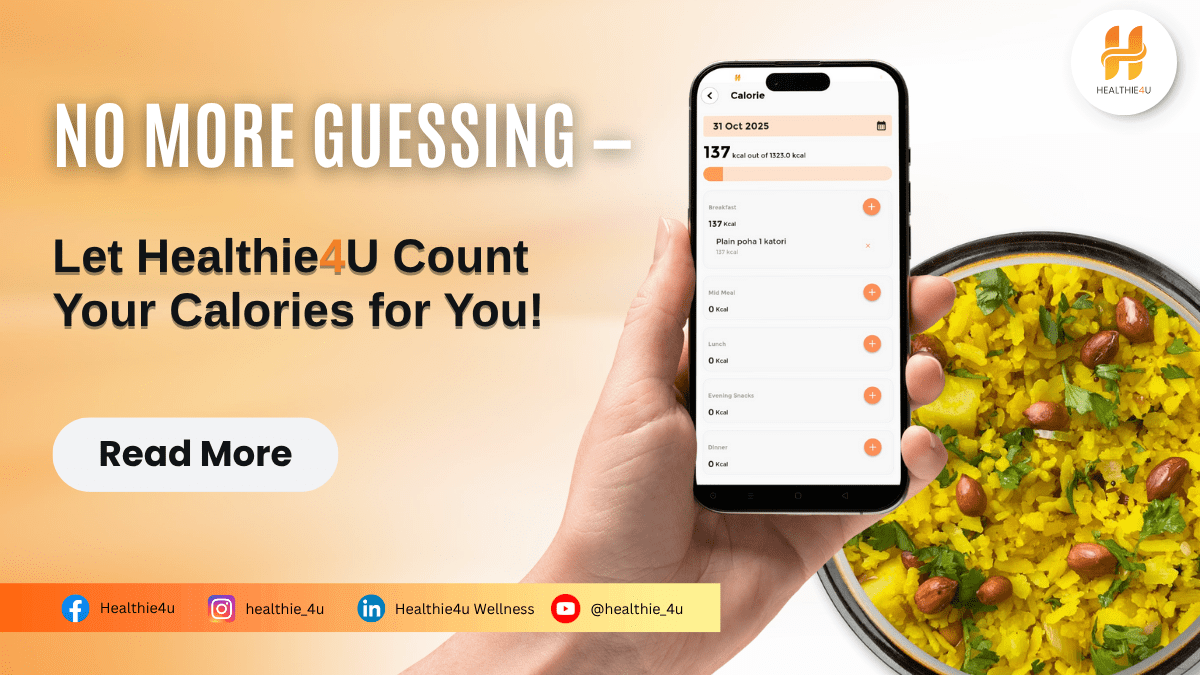
If you’ve ever wondered how many calories you eat in a day or struggled to stay consistent with your diet, Healthie4U has the perfect solution for you. With our new Calorie Counting App feature, tracking what you eat is now easier, faster, and more accurate than ever. Whether you are trying to lose weight, gain muscle, or simply adopt a healthier lifestyle, the right food calorie tracker can transform your fitness journey — and Healthie4U makes the process effortless.


Why Healthie4U Is the Best Calorie Counting App

Calorie counting is often seen as time-consuming and confusing. People start strong but quit because tracking every meal feels like homework. Healthie4U solves this with a system designed for real life. The app lets you track calories daily in less than a minute, without guesswork or complicated calculations.

Here’s what makes Healthie4U stand out from other trackers:

User-friendly interface — no tech skills needed
Accurate calorie calculations based on Indian as well as global foods
Quick search for food items — from paneer to pasta, roti to ramen
Instant portion size selection for precise results
Common meal presets for fast logging — ideal for busy routines

In today’s digital fitness world, it’s not just about how much you exercise — it’s about how well you track what you eat. Healthie4U helps you monitor your intake without stress, making it the best app for weight loss and nutrition tracking.


How to Count Calories on the Healthie4U App

Tracking your daily calorie intake has never been simpler. With this calorie counting app, you can do it in just four steps:

1️⃣ Open the Healthie4U App and tap on the Calorie Count section.
2️⃣ Type in the food name, like “grilled paneer,” “brown rice,” or “banana smoothie.”
3️⃣ Select the portion size — half plate, full plate, bowl, cup, or grams.
4️⃣ View calories instantly, plus protein, carbs, and fats for deeper insights.

Not in the mood to type? No worries. You can choose from ready-made food options with pre-measured calories — perfect for office-goers, gym lovers, college students, and anyone short on time.

In less than 20 seconds, you’ll know exactly how many calories you consumed — no math, no confusion, no manual logs.


Why Tracking Calories Matters

Most people want to eat healthy, but without calorie awareness, it’s easy to overeat or even under-eat. Tracking calories helps you:

🍽 Stay consistent with fitness goals
📉 Avoid overeating and reduce cravings
💪 Build muscle effectively with proper protein and calorie intake
⚖️ Maintain calorie balance for weight management
🧠 Understand your eating patterns and plan better

Success doesn’t come from big changes — it comes from daily awareness. A calorie counting app like Healthie4U keeps you mindful, disciplined, and motivated every single day.


What Makes Healthie4U Different From Other Calorie Trackers

Other apps may show you calories, but Healthie4U brings complete nutrition awareness into one place:

🥗 Total calories per meal
🍗 Macro breakdown — protein, carbs, fat
💧 Water intake tracking
⌚ Fitness activity monitoring
📅 Meal planning reminders
🎯 Goal-based insights

So instead of switching between 3–4 apps, you get a complete health and fitness dashboard in one simple application.

Whether you’re:

  • a gym enthusiast trying to gain muscle

  • someone trying to reverse belly fat

  • a working professional managing meals

  • a beginner starting their fitness journey

Healthie4U makes your lifestyle simpler, smarter, and sustainable.


Why Indians Love Food Tracking on Healthie4U

Most calorie apps are designed for Western diets. But Indians eat differently — rotis, dals, sabzis, chaats, parathas, idlis, dosas, and homemade meals. Healthie4U’s database understands that. You can count calories in food that you actually eat every day.

Examples you can track instantly:

  • 2 rotis + dal + sabzi

  • Paneer bhurji

  • Chicken curry

  • Rajma chawal

  • Dosa + chutney

  • Poha / upma

  • Chai / coffee

Finally, an app that matches Indian plates and Indian lifestyles.


Your Fitness, Simplified

You don’t need complicated diets, expensive supplements, or starvation plans. You just need clarity about your calories. The more aware you are, the better decisions you make — and that’s where Healthie4U becomes your companion.

Next time you sit for a meal — open the app, log your food, and watch your fitness goals move closer one calorie at a time.

Because consistency doesn’t come from motivation — it comes from having the right tools.


Final Thoughts

If you’re serious about transforming your body, improving your diet, or simply staying healthy without stress, the Healthie4U Calorie Counting App is designed for you. Track your food, follow your progress, understand your body, and enjoy your meals — without guilt or confusion.

🔹 Eat what you love — just track it.
🔹 Stay fit — one simple habit at a time.

Download Healthie4U

Start your health journey today with Healthie4U — Your Health, Simplified.
📱 Available on the App Store and Google Play Store.
Download Now

Also, don’t forget to check out our other blog on the benefits of water tracking on the Healthie4U app to boost your daily hydration and fitness progress – https://healthie4u.com/are-you-drinking-enough-water-every-day-let-healthie4u-help-you-track-2/
Reverse Dieting

10 Benefits of Reverse Dieting for Metabolism Recovery & Weight Loss

By Diet

Reverse dieting is a smart, science-backed approach to help your body recover after long periods of calorie restriction or intense dieting. It involves slowly increasing your calorie intake to boost metabolism, restore energy, and prevent rapid weight regain. This method is ideal for those who’ve hit a weight loss plateau, bodybuilders post-competition, chronic dieters, or anyone looking to rebuild a healthy relationship with food while maintaining their results.

Read More
nutrition tips for desk workers

Desk Job? Here’s an Easy Nutrition Guide to Stay Healthy

By Diet, Home remedies, Tips & Tricks, Unique food

Nutrition Tips for Desk Workers: How to Stay Energetic, Healthy & Focused at Work

If you spend long hours sitting at a desk, whether in an office or while working from home, it can gradually take a toll on your body. Lack of physical movement slows metabolism, reduces blood circulation, and increases fatigue. But what many people don’t realize is that the right nutrition tips for desk workers can dramatically improve energy, focus, productivity, and overall well-being—without needing big changes.

Desk jobs may not feel physically demanding, but they place constant stress on the body. Poor eating patterns, dehydration, excessive caffeine, and long gaps between meals affect digestion, metabolism, and even emotional health. That is why following science-backed nutrition tips for desk workers becomes essential for supporting your body while you work.

Below are practical, research-based strategies that help you stay active, avoid sluggishness, and maintain balanced energy throughout the day.


1. Eat Light, Eat Right

One of the most important nutrition tips for desk workers is to avoid heavy meals during work hours. Eating large portions—especially oily and fried foods—slows digestion and causes drowsiness. This happens because your body redirects energy toward digesting heavy meals instead of powering your brain.

How to apply this habit

  • Choose smaller, balanced meals instead of one heavy lunch.

  • Make sure every meal contains a good mix of complex carbs, protein, healthy fats, and fiber.

  • Include foods like oats, dal, sprouts, salads, nuts, steamed vegetables, and whole grains.

  • Avoid junk and packaged foods that lead to fatigue.

Light and balanced meals improve concentration and maintain stable energy levels, making this one of the most effective nutrition tips for desk workers.


2. Drink More Water

Dehydration often goes unnoticed during work because sitting for long hours reduces thirst sensation. Staying hydrated is one of the simplest but most powerful nutrition tips for desk workers because water helps transport oxygen to the brain, regulates temperature, and supports digestion.

How to stay hydrated

  • Keep a water bottle at your desk and sip regularly.

  • Drink at least 8–10 glasses a day, more if you use AC or work long hours.

  • Add hydrating foods like cucumber, oranges, coconut water, and watermelon.

  • Set reminders or use hydration apps.

Even mild dehydration can cause headaches, brain fog, tiredness, and sugar cravings—making hydration one of the most essential nutrition tips for desk workers.


3. Snack Smart

People working at desks often snack out of stress, boredom, or emotional triggers. Mindless snacking on chips, biscuits, namkeen, or chocolates typically causes sudden spikes and crashes in energy levels. This is where smart snacking comes into play as one of the best nutrition tips for desk workers.

Healthy snack options

  • Roasted nuts and seeds

  • Fruits with yogurt

  • Sprouts chaat

  • Hummus with veggie sticks

  • A small piece of dark chocolate

Choosing healthy snacks keeps blood sugar steady and improves productivity—another great reason why smart snacking belongs in top nutrition tips for desk workers.


4. Fuel Your Brain the Right Way

Your brain consumes nearly 20% of the body’s energy, which means it requires the right nutrients to think clearly and work efficiently. For sharper memory and better focus, prioritize foods that support brain health.

Brain-supporting foods

  • Leafy greens like spinach and moringa

  • Berries for antioxidants

  • Avocado for healthy fats

  • Walnuts & flaxseeds for omega-3s

  • Whole grains like brown rice, quinoa, and oats

Providing the brain with nutrient-rich foods improves focus, creativity, and problem-solving skills. This makes brain nutrition one of the most powerful nutrition tips for desk workers who need mental alertness all day.


5. Be Careful with Caffeine

Many desk workers rely on coffee or energy drinks to stay awake. But too much caffeine overstimulates the nervous system and leads to energy crashes, anxiety, dehydration, and sleep disruption. Caffeine is helpful only in moderation, and managing intake is one of the smartest nutrition tips for desk workers.

Smart caffeine habits

  • Limit consumption to 1–2 cups a day

  • Eat before drinking coffee

  • Replace multiple coffees with green tea, matcha, or herbal teas

  • Avoid caffeine after 5 PM to protect sleep quality

Balanced caffeine usage supports better productivity and long-term health, reinforcing its importance in nutrition tips for desk workers.


6. Don’t Skip Meals

One of the most common mistakes in desk jobs is skipping breakfast or postponing meals while working. Long gaps between meals reduce energy and lead to overeating later. Consistent meal spacing is therefore a key part of smart nutrition tips for desk workers.

How to maintain eating schedule

  • Eat every 3–4 hours

  • Start your day with a nutritious breakfast

  • Include protein, good fats, and complex carbs in every meal

  • Carry healthy snacks when traveling or working outside

Structured eating prevents acidity, bloating, headaches, and low energy, making regular meals a major component of nutrition tips for desk workers.


Movement Matters Too

Even the best nutrition tips for desk workers work better when combined with movement. Sitting too long slows metabolism, tightens muscles, and affects mood. Try these easy activity breaks:

  • Stand or walk for 5 minutes every hour

  • Stretch between meetings

  • Use a standing desk if possible

  • Take walking calls

Movement increases blood flow and enhances the effects of all nutrition tips for desk workers, creating a balance between food and physical health.


Final Thought

Even with long working hours, following science-based nutrition tips for desk workers can transform your health, energy, and performance. You don’t need big changes—just small daily actions that add up. Eat balanced meals, snack smart, stay hydrated, use coffee wisely, and move often. Your body will thank you.

To make implementing the right nutrition tips for desk workers easier, use tools and guidance designed specifically for healthy living.

Want personalized daily diet reminders, expert nutrition planning, and healthy recipe ideas?
📲 Download the Healthie4U App — your smart companion for adopting realistic nutrition tips for desk workers and improving your health without giving up your routine.

Now that you’ve explored powerful nutrition tips for desk workers, don’t miss our next blog — 7 Tips for Healthy Eating & Mental Wellbeing at Work, where we dive deeper into how food choices can boost productivity, reduce stress, and improve overall work performance.

reverse dieting

Stop Gaining Weight After Dieting—Try This Trick!

By Diet

Reverse Dieting: Boost Your Metabolism and Maintain Weight Loss

Reverse dieting is a gradual process of increasing your calorie intake after a period of dieting, aimed at restoring metabolic function, supporting hormonal balance, and preventing rapid weight gain. Often used by individuals who have been on a strict calorie-restricted diet or reached a weight loss plateau, reverse dieting allows your body to adapt to higher calorie intake without storing excess fat. Understanding how reverse dieting works can be a game-changer for long-term weight management and overall health.

What is Reverse Dieting?

It involves slowly increasing your calories after a period of restriction to help your metabolism recover. While dieting usually decreases your basal metabolic rate (BMR) and hormonal function, it restores your body’s natural energy expenditure, reduces hunger, and allows you to enjoy a wider variety of foods without undoing all your hard-earned results.

By carefully controlling your calorie increase, reverse dieting prevents rapid fat gain while promoting muscle preservation, energy balance, and healthy metabolism.


The Science Behind Reverse Dieting

The science of reverse dieting lies in understanding how metabolism, hormones, and energy balance work together. After prolonged dieting, your body adapts to lower calorie intake, which can hinder further fat loss and make it easier to regain weight. It addresses these changes by gradually increasing calories, improving metabolic rate, and supporting overall health.

1. Metabolic Adaptation

When you diet for long periods, your metabolism naturally slows down—a process known as metabolic adaptation. Your body conserves energy, reducing calories burned through BMR, non-exercise activity thermogenesis (NEAT), and exercise. This slowdown is why many dieters hit a plateau despite sticking to strict calorie limits.

Reverse dieting’s role: By slowly increasing calories, reverse dieting helps your metabolism adjust without triggering rapid fat gain. This adaptive approach allows your body to burn more energy naturally while preventing unwanted weight regain.


2. Hormonal Balance and Reverse Dieting

Hormones play a crucial role in metabolism, appetite, and energy use. Prolonged dieting can disrupt these hormones, leading to increased hunger, fatigue, and even mood disturbances.

  • Leptin & Ghrelin: Leptin signals satiety, while ghrelin stimulates hunger. During dieting, leptin decreases and ghrelin rises, causing intense hunger and cravings. Reverse dieting gradually restores leptin and ghrelin levels, helping you feel satisfied and control food intake.

  • Thyroid Hormones (T3 & T4): Dieting lowers thyroid hormone levels, slowing metabolism. Reverse dieting supports normal thyroid function, which can enhance fat-burning efficiency.

  • Insulin Sensitivity: Gradual reintroduction of calories prevents sudden blood sugar spikes and improves insulin sensitivity, reducing the risk of fat storage and metabolic stress.

With reverse dieting, you can restore hormonal balance, regulate appetite, and maintain energy levels—essential for sustainable weight management.


3. Energy Balance and Calorie Increase

Weight management is all about energy balance—calories in versus calories out. During dieting, energy intake is reduced, causing your body to burn fewer calories. This reduction slows fat loss and can lead to rebound weight gain once normal eating resumes.

Reverse dieting’s role: By gradually increasing calories, reverse dieting reduces the gap between energy intake and expenditure without shocking the body. This controlled approach prevents rapid fat accumulation while restoring metabolic flexibility. Over time, energy balance stabilizes, helping you maintain your weight and even improve body composition.


4. Thermogenesis and Reverse Dieting

Thermogenesis—the energy expended for movement and digestion—is affected by calorie restriction.

  • NEAT (Non-Exercise Activity Thermogenesis): Everyday movements like walking, standing, or fidgeting decrease during dieting. Reverse dieting gradually restores NEAT, helping you burn more calories passively.

  • TEF (Thermic Effect of Food) & Exercise: Eating more calories increases the energy used to digest food, and higher calorie intake supports better exercise performance. Reverse dieting allows you to improve fat-free mass (muscle) while limiting fat gain.


5. Muscle Mass Preservation

Maintaining lean muscle is essential for metabolism, as muscle tissue burns more calories than fat at rest. Calorie restriction often leads to muscle loss, further reducing BMR.

Reverse dieting’s role: By gradually increasing protein and overall calories, reverse dieting helps preserve and even build lean muscle mass. More muscle supports a higher BMR, boosts fat loss efficiency, and ensures long-term weight maintenance.


6. Psychological Benefits

Strict dieting can lead to stress, anxiety around food, and binge eating after the diet ends. Reverse dieting provides a structured approach to gradually reintroduce calories, easing food-related stress and helping you develop a healthier relationship with eating.

  • Balanced eating behavior: Gradually increasing calories teaches mindful eating, reduces food guilt, and promotes control over portion sizes.

  • Improved adherence: It can make it easier to sustain long-term healthy eating habits without feeling deprived.


Hormonal Impacts of It

It supports several key hormones:

  • Leptin & Ghrelin: Reduced cravings and hunger

  • Thyroid Hormones: Increased metabolism and fat-burning capacity

  • Insulin: Stable blood sugar levels

  • Cortisol: Reduced stress and better sleep quality

  • Testosterone & HGH: Enhanced muscle growth and recovery

  • Reproductive Hormones: Improved menstrual cycle regularity in women

By balancing hormones, reverse dieting not only supports metabolism but also enhances energy, mood, and overall well-being.


How to Implement It

  1. Increase calories gradually: Add 50–100 calories per week from whole foods like lean protein, complex carbs, and healthy fats.

  2. Track intake and progress: Monitor your weight, body composition, and energy levels. Apps like Healthie4U can help track calories and macros effectively.

  3. Prioritize protein: Adequate protein helps preserve lean muscle mass during calorie increases.

  4. Combine with resistance training: Exercise helps your body use calories efficiently and supports muscle growth.

  5. Be patient: It requires consistency. Rapid increases in calories may lead to fat gain.


Healthie4U App

Tracking calories, macronutrients, and meal quality can be challenging, especially during reverse dieting. The Healthie4U app simplifies this process by helping you monitor your intake, adjust calorie increases safely, and stay on track with your metabolism goals. It’s a perfect companion for anyone practicing it.

💡 Tip: Pair your reverse dieting plan with personalized meal plans in Healthie4U to ensure calorie increases support muscle retention and metabolic recovery.


Key Benefits 

  • Gradually restores metabolism and energy expenditure

  • Preserves or builds lean muscle

  • Reduces hunger and cravings

  • Supports stable blood sugar and insulin sensitivity

  • Improves hormonal balance

  • Promotes psychological well-being and food flexibility

  • Prevents rapid fat gain after dieting


Final Thoughts

Reverse dieting is a strategic, science-backed approach to safely transition out of caloric restriction. It helps you maintain metabolism, preserve muscle, balance hormones, and develop a healthier relationship with food. By following a gradual, mindful approach, it can be a cornerstone of long-term fat loss success and overall metabolic health.

For tracking your calories and managing your reverse dieting plan effectively, check out this blog – Calorie Counting App for Weight Loss

Close Menu

Contact us