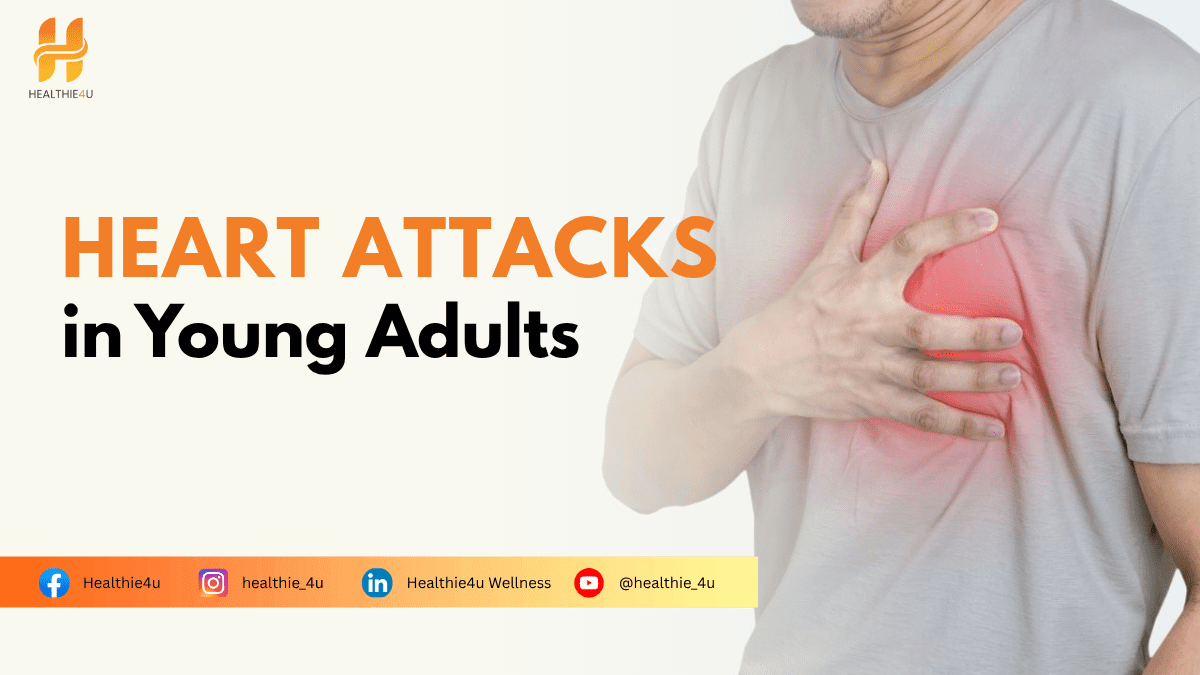

Heart attacks are no longer just a concern for older people; they are increasingly affecting adults aged 30-40. Heart disease is now one of the leading causes of death in this age group, making it essential to understand the risks and take steps to prevent heart problems early in life. Making simple changes to your lifestyle, especially in terms of diet, can help reduce the risk of heart disease.
Why Heart Attacks Are Becoming More Common in Younger Adults
There are several reasons why heart attacks are happening more often among young adults:
- Unhealthy Eating Habits: A diet high in processed foods, sugary snacks, and unhealthy fats can lead to obesity, high blood pressure, and high cholesterol, which increase the risk of heart disease.
- Lack of Exercise: Many young adults sit for long hours at desks or in front of screens, leading to little physical activity. This lifestyle can cause weight gain and high blood pressure, both of which are bad for heart health.
- Stress: Anxiety, stress, and depression are common in younger adults, often causing unhealthy behaviors like overeating, smoking, or drinking too much alcohol, all of which can harm the heart.
- Smoking and Drinking: Smoking and drinking too much alcohol damage the heart and blood vessels, raising the chances of having a heart attack.
- Genetics: If there’s a history of heart disease in the family, young adults may be at a higher risk of developing heart problems, even if they live healthily.
- Hidden Health Issues: Conditions like high blood pressure, high cholesterol, and diabetes often go undiagnosed in young adults. These problems, if ignored, can increase the risk of heart disease.
How to Prevent a Heart Attack in Your 30s and 40s
Even though you can’t control some things, like family history, there’s a lot you can do to lower the risk of heart disease. The key is to focus on healthy eating, staying active, and managing stress.
1. Eat a Heart-Healthy Diet
What you eat affects your heart in many ways. Here’s how to eat in a way that’s good for your heart:
- Eat More Fiber: Foods like whole grains, fruits, vegetables, and beans are rich in fiber, which helps lower cholesterol. Fiber is important for heart health, so try to include foods like oats, apples, and beans in your meals.
- Choose Healthy Fats: Replace unhealthy fats found in butter, red meat, and processed foods with healthier fats. Good fats can be found in olive oil, avocados, nuts, seeds, and fatty fish like salmon.
- Cut Back on Sugar and Processed Foods: Eating too much sugar and processed food can lead to weight gain and increase the risk of heart disease. Focus on whole foods like vegetables, lean meats, and fruits instead.
- Limit Salt: Too much salt can raise blood pressure, a major risk factor for heart disease. Avoid processed foods, and use herbs and spices to season your meals instead of salt.
- Drink Water: Staying hydrated is important for your heart. Try to drink water throughout the day and avoid sugary drinks like soda, which can cause weight gain and higher blood pressure.
2. Exercise Regularly
Exercise is one of the best ways to keep your heart healthy. Try to get at least 150 minutes of moderate exercise (like brisk walking or cycling) every week. Exercise helps lower blood pressure, keep weight in check, and improve overall heart health.
Strength training, such as lifting weights, can also help by increasing muscle mass and metabolism, which supports fat loss.
3. Manage Stress
Chronic stress can increase the risk of heart disease. It’s important to find ways to reduce stress. Try relaxing activities like yoga, meditation, or simply spending time on hobbies you enjoy. These practices can help lower stress and keep your heart healthy.
4. Quit Smoking and Limit Alcohol
Smoking is one of the top causes of heart disease. The chemicals in cigarettes damage blood vessels and increase the risk of a heart attack. Quitting smoking can greatly improve heart health.
Drinking too much alcohol is also harmful to the heart. Stick to the recommended limits: no more than one drink per day for women and two for men.
5. Keep Track of Your Health
Regular check-ups are essential for monitoring important health markers, such as blood pressure, cholesterol, and blood sugar levels. If any of these are too high, treating them early can help prevent heart problems. If heart disease runs in your family, make sure to have regular health screenings.
6. Get Enough Sleep
Good sleep is necessary for heart health. Aim for 7-9 hours of sleep every night. Lack of sleep can raise blood pressure and increase the risk of obesity, which can harm the heart.
7. Maintain a Healthy Weight
Being overweight, especially around your belly, increases the risk of heart disease. Losing even a small amount of weight can lower your risk of high blood pressure, diabetes, and other heart disease risk factors.
Conclusion
Heart attacks are no longer just an issue for older adults—they are increasingly affecting people in their 30s and 40s. Taking action early to improve your diet, exercise regularly, manage stress, quit smoking, and stay on top of your health can significantly reduce your risk of heart disease. By making these simple changes now, you can protect your heart and live a long, healthy life. Start taking care of your heart today
For personalized diet charts, heart-friendly meal plans, weight management guidance, and regular nutrition tracking, download the Healthie4U App — your smart partner for building a healthy heart lifestyle, reducing heart attacks.
To explore more heart-healthy food choices,
👉 read our blog: How Including Nuts & Seeds in a Nutritious Diet Can Help Lower Cholesterol — a key step toward preventing heart attacks.