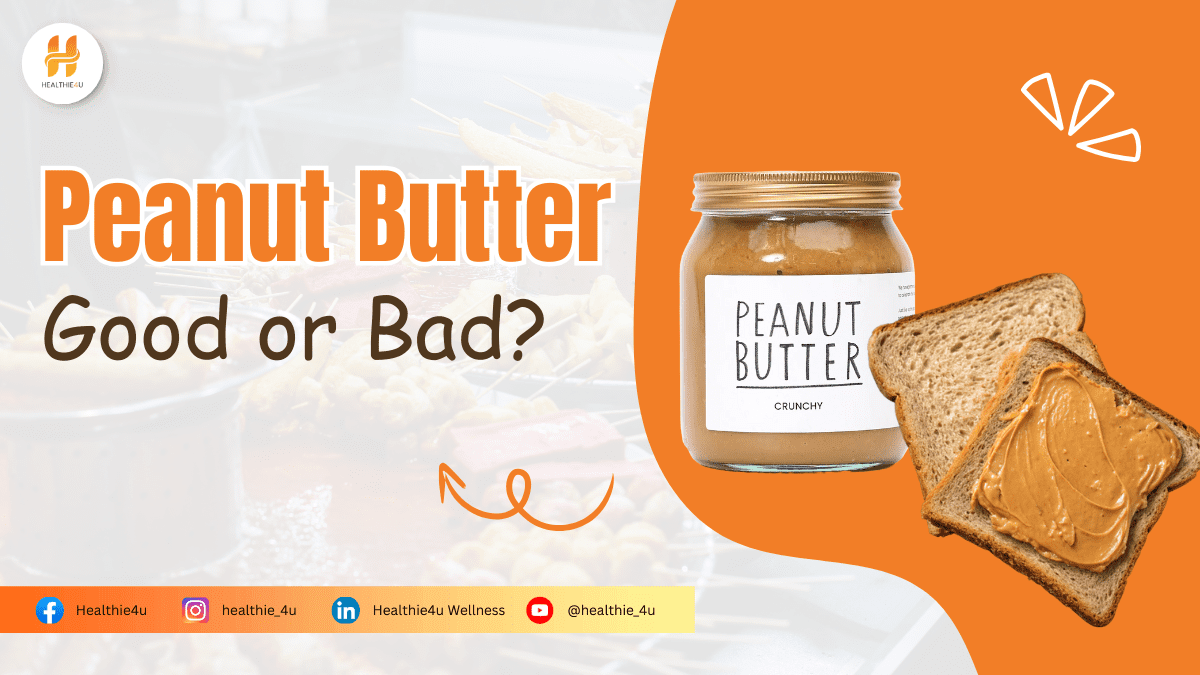
Peanuts are one of the cheapest sources of protein which is available in many forms such as raw nuts, salted nuts, roasted nuts, peanut butter, etc. They have high nutritional value due to the presence of carbohydrates, protein fatty acids, vitamins and minerals.
Peanut butter, a semi perishable product, made from dry- roasted ground peanuts, is a spread which contains other ingredients to modify the taste and texture. It is considered as a healthier alternative to butter and margarine because of its high content of protein.
Types of peanut butter
Natural |
Organic |
Regular |
Homemade |
| Natural peanut butter contains only peanuts and the oil from it. | Organic peanut butter contains little or no pesticides. | Regular peanut butter contains roasted peanuts, added sugar, hydrogenated oil and preservatives. | Homemade peanut butter is made by grinding the roasted peanuts into the spread. |
Health benefits of peanut butter
- PB and weight loss– It is a good source of protein as well as healthy fats such as MUFA (56.5%/ 100g) and PUFA (18.8%/ 100g). It also contains fibre (9g/ 100g) which will keep the person satiated for a longer period of time, thus aiding in weight loss. However, it is high in calories, therefore it should be consumed in moderation.
- PB and heart health– It contains MUFA (56.5%/ 100g) which has been shown in increasing the levels of good cholesterol i.e. HDL and decreasing the bad cholesterol i.e. LDL. It also contains arginine which is converted into nitric oxide, a vasodilator.
- PB and cholesterol– It contains phytosterols which reduces the absorption of cholesterol, enhances cholesterol absorption and also precipitate soluble cholesterol into non absorbable form in the intestine.
- PB and brain health– It consumption is also associated with enhanced memory function and stress response. It improves memory, cognitive function and concentration. The coumaric acid present in the butter reduces the oxidative stress which is associated with neuro degenerative diseases.
- PB and malnutrition– It contains various vitamins and minerals which is helpful in correcting severe acute malnutrition in children. It is used as a ready to use therapeutic food for nutritional rehabilitation of children from 6 months and adults suffering from severe acute malnutrition.
- PB and diabetes– It is low in glycemic index i.e. 25 and glycemic load i.e. 7, making it suitable for diabetic individuals. It also contains magnesium which is a cofactor in glycolysis, thus helping in diabetes.
- PB and inflammation– It contains PUFA and polyphenols which are anti- inflammatory in nature, thus reducing inflammation in the body.
- PB and cancer– It is rich in magnesium, vitamin E, MUFA and polyphenols, all of which are antioxidants. Polyphenols increase the apoptosis of cancer cells. It also contains coumaric acid which is a powerful antioxidant, which inhibits the proliferation of tumor cells.
- PB and skin health– It is rich in Vitamin E which has been shown in reducing the signs of aging and improving elasticity. It also reduces the damage by free radicals as it is anti-inflammatory in nature.
- PB and muscle– Per serving of it, provides 9.6 grams of protein making it suitable for muscle building. It can be consumed pre workout (for energy) as well as post workout (for muscle building and energy).
- PB and bone health and immunity– It is a good source of protein, calcium, magnesium, copper which are nutrients that help in healthy bone maintenance. It also contains vitamin E and zinc which supports immune function.
- It can be also used to improve the nutritional quality of the cookies. Cookies are generally made up of refined flour and hydrogenated fat which contains the highest amount of SFA followed by MUFA and PUFA. It also lacks protein and healthy fat. Use of peanut butter will add protein and good quality fat such as MUFA and PUFA which have various health benefits.
In summary, PB is a tasty and healthy food that’s good for your body in many ways. It’s full of protein, good fats, and nutrients that help your heart, weight, and brain. Since it doesn’t raise blood sugar quickly, it’s safe for people with diabetes too. Plus, it can help reduce swelling in the body. Adding peanut butter to your food makes your meals more delicious and gives you a health boost.
Myths around peanut butter
- It makes you fat– Peanut butter is a good source of healthy fat and protein which keeps the person satiated for a longer period of time. Additionally, it contains healthy fats such as MUFA (56.5%/ 100g) and PUFA (18.8%/ 100g) (Timbadiya P. N, Bheda S. B, Gajera H. P, Patel S. V., 2017). However, it is high in calories, therefore it should be consumed in moderation.
- It is high in sodium– Peanuts are not high in sodium. Natural and organic peanut butter contains only 6 mg sodium in 1 serving and 19 mg sodium in 100 g, which is just 0.3% and 0.8% of the total recommended sodium intake per day, i.e. 2300 mg.
- It only contains fat– Although peanut butter is rich in fat, it also contains other nutrients such as protein, MUFA, PUFA, magnesium, copper, vitamin E, etc.
- It is bad for cholesterol– Peanut butter contains MUFA which has been shown in increasing the levels of good cholesterol i.e. HDL and decreasing the bad cholesterol i.e. LDL.
- It can cause diabetes– The CHO content of natural and organic peanut butter is 5.8 g in 1 serving and 18 g in 100 g. It is aso is low in glycemic index and glycemic load. Homemade peanut butter doesn’t contain additional sugar, making it suitable for diabetic individuals.
- It is a good source of nutrition– Peanut butter contains protein, MUFA, PUFA, magnesium, calcium, copper, b vitamins, etc.
- Peanut butter is best for people who stay active, but its high-quality protein can help anyone meet their daily needs.
References
Timbadiya P. N, Bheda S. B, Gajera H. P, Patel S. V. Application of Peanut Butter to Improve the Nutritional Quality of Cookies. Curr Res Nutr Food Sci 2017;5(3). doi: 10.12944/CRNFSJ.5.3.26
If you’re looking to build muscle or increase healthy body weight, don’t miss our guide on “10 Proven Methods to Gain Weight”—packed with expert tips, high-protein food options, and smart calorie strategies to help you reach your goals faster.