Tips & Tricks Archives - Mumbai's Top Nutritionist & Healthcare Consultants for Customized Workouts Skip to main content
Category

Tips & Tricks

plant-based proteins

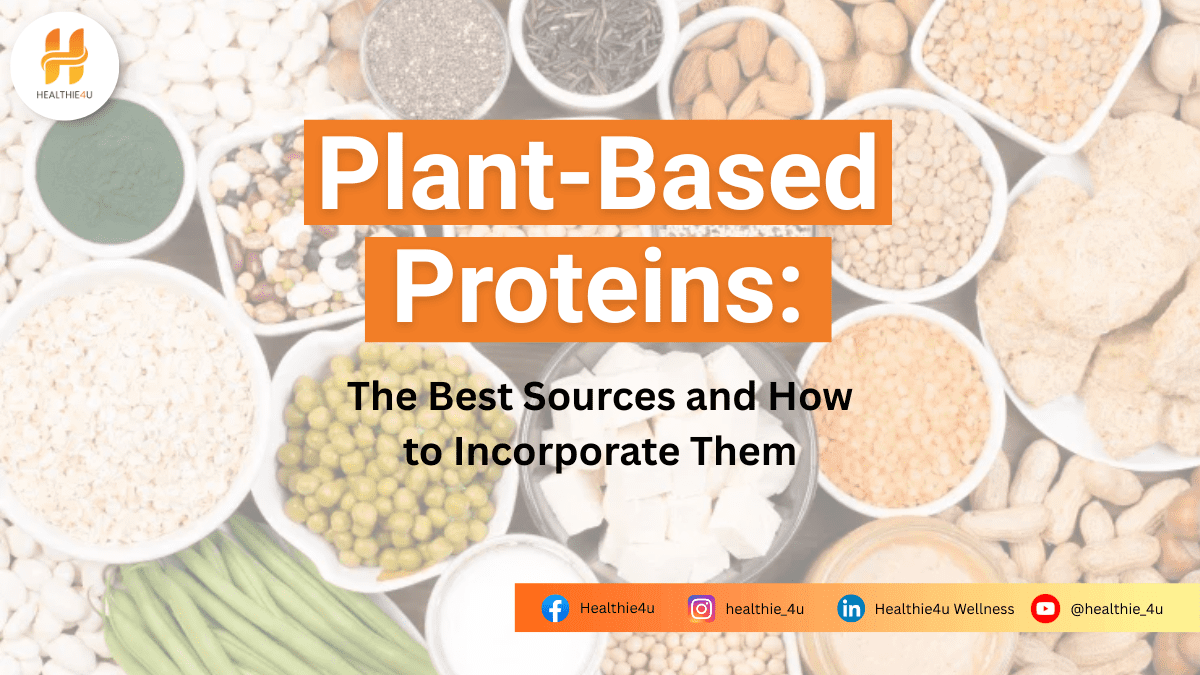
Plant-Based Proteins: The Best Sources and How to Incorporate Them

By Protein, Tips & Tricks

Plant-based proteins are a powerhouse of nutrition that support muscle repair, hormone balance, and overall well-being — all while promoting sustainability. Found in foods like beans, lentils, quinoa, nuts, seeds, and soy-based products, these proteins provide essential amino acids and vital nutrients without the excess fats found in animal products. Incorporating plant-based proteins into your daily meals can improve digestion, support heart health, aid in weight management, and reduce the risk of chronic diseases. Embrace a plant-powered lifestyle and discover how easy and delicious healthy eating can be.

Read More
Healthy Eating Tips

Smart Eating Out: Healthy Swaps & Mindful Habits

By Tips & Tricks

Healthy Eating Tips When Dining Out: Smart Choices for Better Nutrition

Good nutrition is the foundation of good health, and maintaining it can sometimes feel challenging—especially when eating at restaurants. With tempting menus, oversized portions, and unlimited beverage refills, it’s easy to overeat without realizing it. However, with the right healthy eating tips, you can enjoy dining out while still staying committed to your wellness goals. Mindful choices empower you to stay in control and prioritize both taste and health without restriction or guilt.

Whether you’re trying to lose weight, manage a medical condition, or simply live a healthier lifestyle, these healthy eating tips offer practical strategies that can transform the way you approach meals outside the home.


Before You Go: Plan Ahead for Smart Eating

Planning ahead sets the tone for successful restaurant choices. Keeping these healthy eating tips in mind can help prevent overeating and impulsive ordering driven by hunger or cravings.

Check the Menu in Advance

Look for healthier items such as grilled options, clear soups, and salads. Shortlisting dishes beforehand eliminates last-minute decisions.
Example: Grilled chicken, paneer tikka, sautéed vegetables.

Have a Light Snack

Arriving extremely hungry often leads to overeating. One of the best healthy eating tips is to eat a protein-rich snack before heading out.
Examples: Makhana, fruit bowl, boiled egg.

Drink Water Before Eating

Hydration helps control cravings and appetite.
Example: Have one glass of water before ordering.

Eat Mindfully

Set an intention to stop eating at 80% fullness—a golden rule of mindful nutrition.

Never Skip Meals

Skipping meals to “save calories” backfires because hunger leads to overeating and poor food choices.


While Ordering: Smart Swaps That Make a Difference

The key to successful dining out is choosing better alternatives rather than depriving yourself. Use these healthy eating tips to enjoy your meal guilt-free.

🔹 Make Smarter Choices

  • Replace fried with grilled (e.g., paneer tikka instead of fried paneer)

  • Replace creamy sauces with lighter ones (e.g., salsa or mustard instead of mayo)

  • Replace white bread with whole wheat (e.g., whole-grain wrap)

  • Replace soda with water, buttermilk, coconut water

  • Replace fries with veggies (steamed broccoli or carrots)

  • Replace full-fat dairy with low-fat options

  • Replace dessert with fruit or choose baked items over fried sweets

  • Replace creamy soups with broth-based clear soups

  • Replace large portions with shared or half portions

🔹 Extra Healthy Swaps

  • Mayo → hummus or guacamole

  • Fried rice → plain steamed rice

  • Thick crust pizza → thin crust veggie pizza

  • Heavy gravies → sautĂ©ed or tandoori dishes

  • High-fat meat → lean protein like tofu, chicken breast, dal


Mindful Eating Habits

The best healthy eating tips always highlight mindfulness. Eating slowly and consciously helps prevent overeating and improves digestion.

  • Put the fork down between bites

  • Begin meals with salad or soup

  • Use smaller plates when available

  • Eat one dish at a time instead of ordering everything at once

  • Stop eating when comfortably full

  • Pack leftovers instead of finishing everything

  • Avoid complimentary bread/papad

  • Keep sauces and dips on the side

  • Avoid phone or TV distractions—focus on the meal


Why Smart Choices Matter

Consistently practicing these healthy eating tips helps avoid unnecessary weight gain, bloating, fatigue, and digestive issues. It also supports long-term wellness goals such as improved metabolism, reduced disease risk, and better energy levels. Healthy eating doesn’t require strict dieting—it just requires awareness and balance.

Healthy eating is not about perfection; it is about progress. Small changes made consistently lead to long-lasting results.


Conclusion

Dining out and staying healthy can go hand in hand when you apply simple yet powerful healthy eating tips. You don’t need to give up your favorite restaurants—instead, learn how to choose mindfully, eat intentionally, and balance your meals. Take it one step at a time and continue building habits that make you feel your best from inside out.

Take your healthy lifestyle further with the Healthie4U app, your smart companion for nutrition tracking, personalized diet plans, and mindful eating support. Access expert guidance, custom meal plans, and real-time features to help you practice these healthy eating tips daily—anytime, anywhere.
Start your wellness transformation today—download the Healthie4U app and eat smarter every day.

Also read our blog: Peanut Butter — Good or Bad?
Explore whether it fits into a healthy diet and learn the truth behind common nutrition myths.

Meal Timing

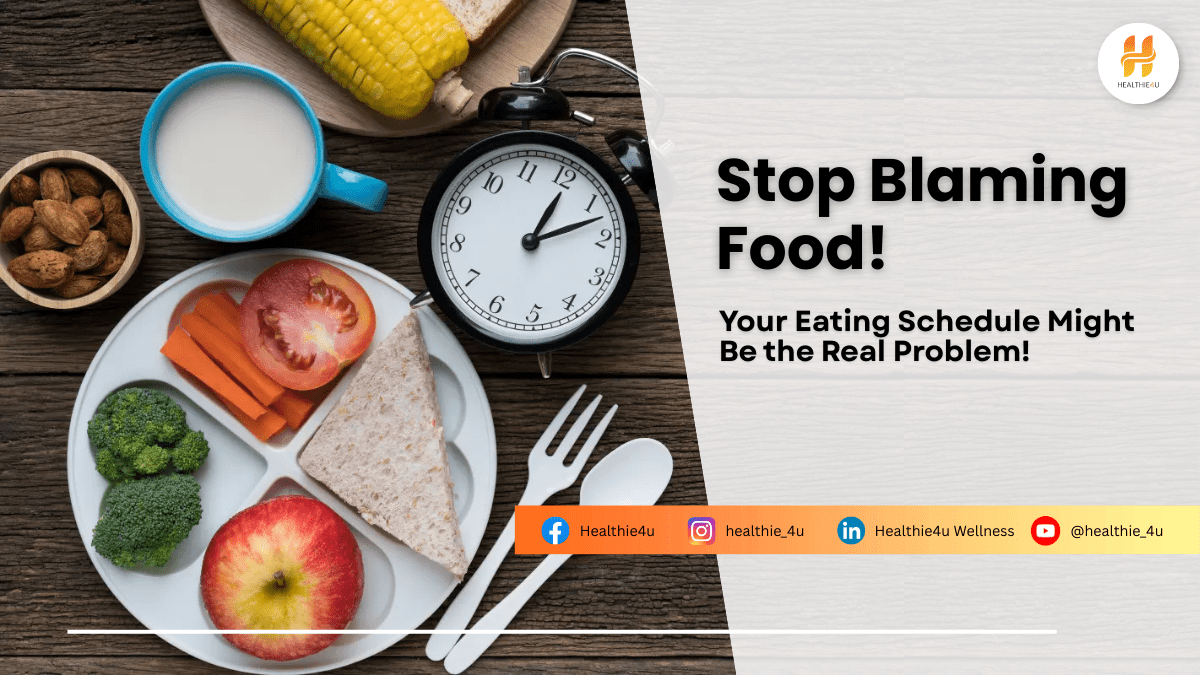
Stop Blaming Food—Your Eating Schedule Might Be the Real Problem!

By Tips & Tricks, Weight Loss & Gain Management

Meal timing is more than just choosing what to eat—it’s about when you eat. Your body follows a natural clock, known as the circadian rhythm, that controls sleep, digestion, and metabolism. Aligning your meals with this rhythm can boost energy, improve digestion, support weight management, and even enhance sleep quality. But irregular or late-night eating can throw this balance off, leading to indigestion, weight gain, and long-term health risks. Understanding your body’s clock and planning meals around it could be the simple change that transforms your health.

Read More
Hyperacidity & Nutrition

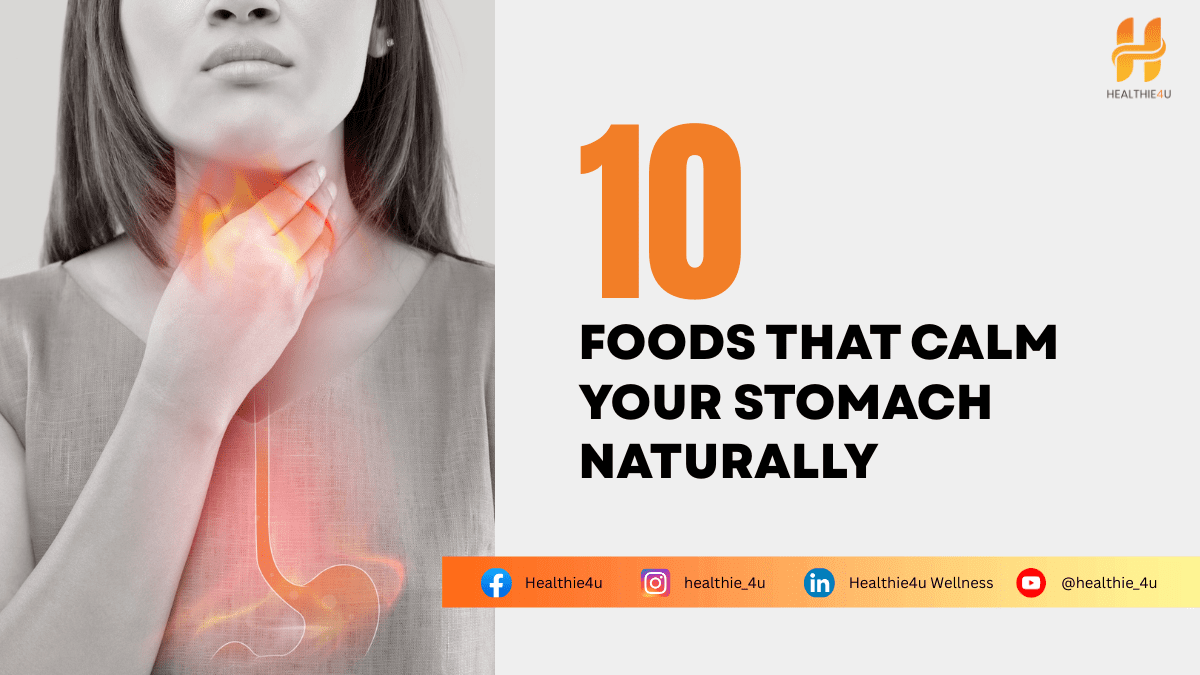
Goodbye Acidity! 10 Foods That Calm Your Stomach Naturally

By Acidity & Bloating, Tips & Tricks


Hyperacidity & Nutrition: Understanding Causes, Symptoms & Diet Solutions for Long-Term Relief

Hyperacidity & Nutrition is an important topic today because acidity and acid reflux have become extremely common due to modern lifestyle patterns and poor eating habits. Hyperacidity, also known as acid reflux or gastric acidity, occurs when the stomach produces excessive acid or when the lower esophageal sphincter (LES)—a valve between the stomach and the food pipe—becomes weak and allows acid to move upward. While stomach acid is essential for digestion, an imbalance triggers painful and uncomfortable symptoms and may lead to chronic digestive issues if ignored.

Understanding Hyperacidity & Nutrition can help individuals make smart, science-based food choices that support digestive balance, reduce irritation, and improve gut health. Instead of relying only on antacids, natural foods and routine adjustments are proven to offer long-term relief and better digestive strength.


What is Hyperacidity?

Hyperacidity happens when the stomach secretes more acid than necessary, or when the valve connecting the stomach to the esophagus relaxes, allowing acid to escape into the food pipe. This irritation causes the well-known burning feeling in the chest and throat called heartburn.

In a healthy digestive system, stomach acid stays within the stomach and helps break down food, kill harmful bacteria, and support nutrient absorption. But when the protective lining of the stomach is disturbed, or when acid flows backwards, discomfort begins.


Common Symptoms of Hyperacidity

Recognizing early signs can help manage Hyperacidity & Nutrition more effectively:

  • Burning sensation in the chest or throat

  • Sour or bitter taste in the mouth

  • Frequent burping or hiccups

  • Bloating or heaviness after meals

  • Nausea or vomiting sensation

  • Decreased appetite or discomfort while eating

  • Pain or discomfort when lying down after meals

  • Feeling full even after small portions

  • Bad breath or sour smell

If hyperacidity persists frequently, it may develop into chronic acid reflux, GERD (Gastroesophageal Reflux Disease), ulcers, tooth decay, hoarseness, or throat infections.


Major Causes of Hyperacidity

Hyperacidity is commonly triggered by lifestyle and dietary patterns. The relationship between Hyperacidity & Nutrition is strong, and food choices play a direct role in irritation or relief.

Cause How it triggers acidity
Irregular eating habits Skipping meals or overeating increases pressure and acid levels
Spicy & oily foods Irritate the stomach lining and slow digestion
Coffee, carbonated drinks, alcohol Relax the LES valve, pushing acid upward
Stress & poor sleep Raise cortisol hormones that disrupt digestion
Sedentary lifestyle Lying down after meals causes reflux
Certain medications Painkillers & antibiotics can damage stomach lining
Eating too fast Prevents proper chewing and increases gas and acidity

Hyperacidity & Nutrition: How Food Can Help or Worsen Acid Reflux

What you eat determines how your stomach reacts. With the right foods, acidity can be managed naturally without depending on medication. Learning which foods soothe digestion and which ones worsen reflux is the foundation of Hyperacidity & Nutrition strategies.


Foods that Reduce Hyperacidity & Support Digestion

1. Natural Soothers

Hydrating, alkaline-forming foods help dilute acid and soothe irritation:

  • Coconut water

  • Buttermilk (chaas)

  • Jeera water

  • Fennel (saunf)

  • Ginger

  • Mint

  • Aloe vera juice

Why they help: They cool the stomach, reduce inflammation, and prevent gas and acidity build-up.


2. Whole Grains & Complex Carbs

  • Oats, daliya, poha

  • Brown rice, quinoa, millets (bajra, jowar, ragi)

Benefits for Hyperacidity & Nutrition:
They absorb excess acid, promote smooth digestion, and prevent stomach discomfort due to high fiber content.


3. Fiber-Rich Vegetables & Alkaline Fruits

Vegetables:
Bottle gourd, pumpkin, ridge gourd, cucumber, beans, carrots

Fruits:
Papaya, apple, pear, watermelon, guava, pomegranate

Papaya is especially powerful because it contains papain—an enzyme that improves digestion and reduces bloating.

Avoid citrus fruits like orange, lemon & pineapple if they trigger burning.


4. Protein Sources Easy to Digest

  • Moong dal, masoor dal, sprouts

  • Paneer, tofu

  • Eggs, lean chicken or fish

Protein stabilizes blood sugar and strengthens tissues without stressing digestion.


5. Good Fats

Healthy fats protect the stomach lining and reduce inflammation:

  • Soaked almonds

  • Walnuts

  • Flaxseeds

  • Chia seeds


Foods That Trigger Hyperacidity

To be avoided or limited for better Hyperacidity & Nutrition results

Foods to Avoid Why they worsen acidity
Fried snacks, pakoras, chips Hard to digest, high oil load
Very spicy gravies & masala Irritate stomach lining
Creamy & buttery dishes Stay longer in stomach
Coffee, tea, sodas, alcohol Relax stomach valve; push acid to throat
Bakery items, biscuits, packaged snacks Contain preservatives & trans fats
Acidic fruits & tomato-based dishes Increase burning
Potato, yam, arbi Generate gas & acid build-up

Lifestyle Tips to Manage Hyperacidity Naturally

Improving Hyperacidity & Nutrition is not just about avoiding certain foods—it also involves healthy habits:

  • Eat smaller and more frequent meals instead of large meals

  • Do not lie down immediately after eating (wait 2-3 hours)

  • Eat dinner early (before 8 PM)

  • Chew food properly & eat slowly

  • Drink water between meals, not during large bites

  • Practice deep breathing & reduce stress

  • Walk 10–15 minutes after meals for digestion

  • Maintain healthy weight to reduce abdominal pressure

  • Sleep with head slightly elevated to prevent reflux


Conclusion

Hyperacidity & Nutrition are deeply connected. With the right dietary changes, natural soothing foods, and mindful eating habits, hyperacidity can be effectively managed. Instead of depending only on temporary relief medicines, adopting a balanced lifestyle and nourishing the digestive system provides long-term improvement.

Small changes like choosing lighter meals, avoiding triggers, managing stress, staying active, and eating at the right time can bring powerful results. Understanding your body’s response to food is the key to preventing discomfort and improving gut health.

Your stomach is strongest when treated gently — listen to it, respect hunger and fullness cues, and choose foods that support healing.

Track your meals, manage your digestion, and improve your eating habits effortlessly with the Healthie4U app, and check out our latest blog, Stop Blaming Food—Your Eating Schedule Might Be the Real Problem! for tips on aligning your meals with your body’s natural rhythm.

blood sugar

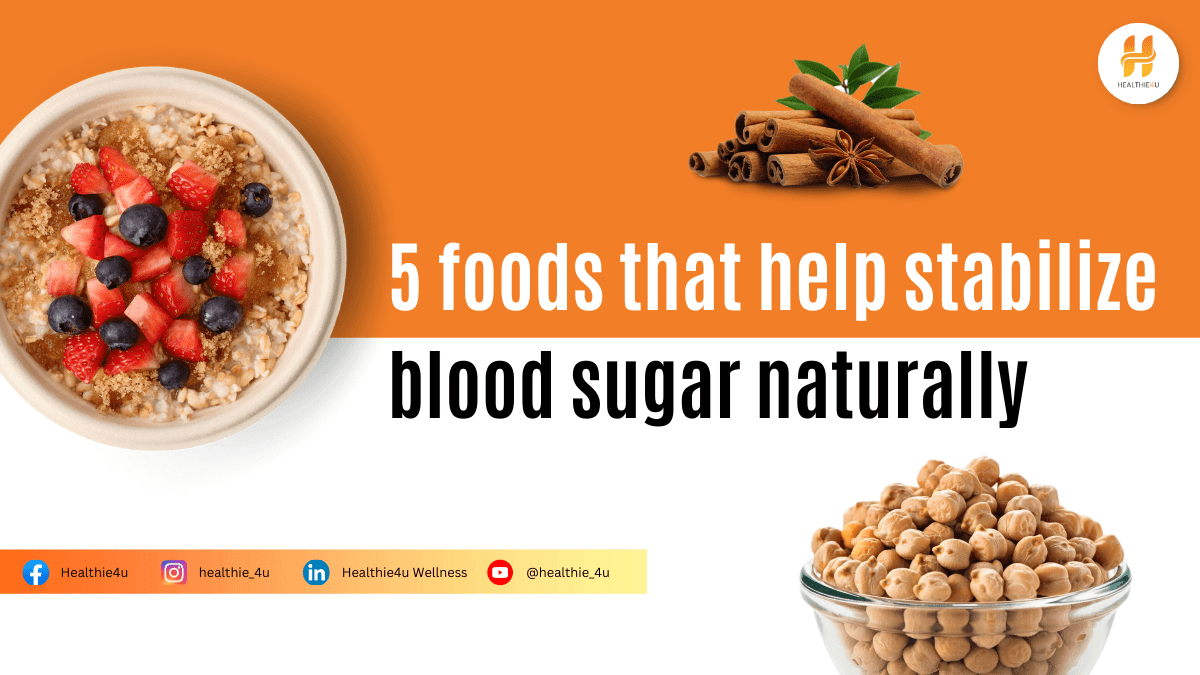
5 Foods that Help Stabilize Blood Sugar Naturally

By Diabetes Management, Tips & Tricks

Discover 5 powerful foods that help stabilize blood sugar naturally and keep you energized throughout the day. From oats for diabetes-friendly breakfasts to cinnamon benefits for blood sugar, these low glycemic index foods like chickpeas, black jamun, and leafy greens support insulin sensitivity and prevent sugar spikes. Add these anti-diabetic foods to your diet for better blood sugar control and long-term health.

Read More
nutrition tips for desk workers

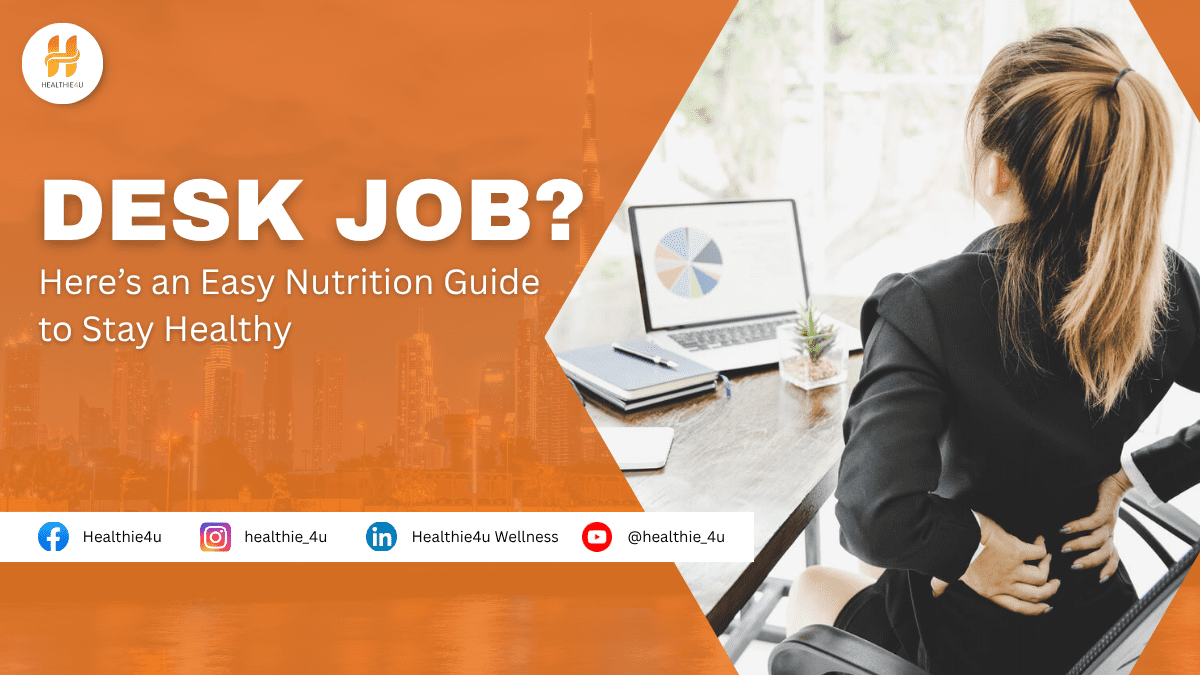
Desk Job? Here’s an Easy Nutrition Guide to Stay Healthy

By Diet, Home remedies, Tips & Tricks, Unique food

Nutrition Tips for Desk Workers: How to Stay Energetic, Healthy & Focused at Work

If you spend long hours sitting at a desk, whether in an office or while working from home, it can gradually take a toll on your body. Lack of physical movement slows metabolism, reduces blood circulation, and increases fatigue. But what many people don’t realize is that the right nutrition tips for desk workers can dramatically improve energy, focus, productivity, and overall well-being—without needing big changes.

Desk jobs may not feel physically demanding, but they place constant stress on the body. Poor eating patterns, dehydration, excessive caffeine, and long gaps between meals affect digestion, metabolism, and even emotional health. That is why following science-backed nutrition tips for desk workers becomes essential for supporting your body while you work.

Below are practical, research-based strategies that help you stay active, avoid sluggishness, and maintain balanced energy throughout the day.


1. Eat Light, Eat Right

One of the most important nutrition tips for desk workers is to avoid heavy meals during work hours. Eating large portions—especially oily and fried foods—slows digestion and causes drowsiness. This happens because your body redirects energy toward digesting heavy meals instead of powering your brain.

How to apply this habit

  • Choose smaller, balanced meals instead of one heavy lunch.

  • Make sure every meal contains a good mix of complex carbs, protein, healthy fats, and fiber.

  • Include foods like oats, dal, sprouts, salads, nuts, steamed vegetables, and whole grains.

  • Avoid junk and packaged foods that lead to fatigue.

Light and balanced meals improve concentration and maintain stable energy levels, making this one of the most effective nutrition tips for desk workers.


2. Drink More Water

Dehydration often goes unnoticed during work because sitting for long hours reduces thirst sensation. Staying hydrated is one of the simplest but most powerful nutrition tips for desk workers because water helps transport oxygen to the brain, regulates temperature, and supports digestion.

How to stay hydrated

  • Keep a water bottle at your desk and sip regularly.

  • Drink at least 8–10 glasses a day, more if you use AC or work long hours.

  • Add hydrating foods like cucumber, oranges, coconut water, and watermelon.

  • Set reminders or use hydration apps.

Even mild dehydration can cause headaches, brain fog, tiredness, and sugar cravings—making hydration one of the most essential nutrition tips for desk workers.


3. Snack Smart

People working at desks often snack out of stress, boredom, or emotional triggers. Mindless snacking on chips, biscuits, namkeen, or chocolates typically causes sudden spikes and crashes in energy levels. This is where smart snacking comes into play as one of the best nutrition tips for desk workers.

Healthy snack options

  • Roasted nuts and seeds

  • Fruits with yogurt

  • Sprouts chaat

  • Hummus with veggie sticks

  • A small piece of dark chocolate

Choosing healthy snacks keeps blood sugar steady and improves productivity—another great reason why smart snacking belongs in top nutrition tips for desk workers.


4. Fuel Your Brain the Right Way

Your brain consumes nearly 20% of the body’s energy, which means it requires the right nutrients to think clearly and work efficiently. For sharper memory and better focus, prioritize foods that support brain health.

Brain-supporting foods

  • Leafy greens like spinach and moringa

  • Berries for antioxidants

  • Avocado for healthy fats

  • Walnuts & flaxseeds for omega-3s

  • Whole grains like brown rice, quinoa, and oats

Providing the brain with nutrient-rich foods improves focus, creativity, and problem-solving skills. This makes brain nutrition one of the most powerful nutrition tips for desk workers who need mental alertness all day.


5. Be Careful with Caffeine

Many desk workers rely on coffee or energy drinks to stay awake. But too much caffeine overstimulates the nervous system and leads to energy crashes, anxiety, dehydration, and sleep disruption. Caffeine is helpful only in moderation, and managing intake is one of the smartest nutrition tips for desk workers.

Smart caffeine habits

  • Limit consumption to 1–2 cups a day

  • Eat before drinking coffee

  • Replace multiple coffees with green tea, matcha, or herbal teas

  • Avoid caffeine after 5 PM to protect sleep quality

Balanced caffeine usage supports better productivity and long-term health, reinforcing its importance in nutrition tips for desk workers.


6. Don’t Skip Meals

One of the most common mistakes in desk jobs is skipping breakfast or postponing meals while working. Long gaps between meals reduce energy and lead to overeating later. Consistent meal spacing is therefore a key part of smart nutrition tips for desk workers.

How to maintain eating schedule

  • Eat every 3–4 hours

  • Start your day with a nutritious breakfast

  • Include protein, good fats, and complex carbs in every meal

  • Carry healthy snacks when traveling or working outside

Structured eating prevents acidity, bloating, headaches, and low energy, making regular meals a major component of nutrition tips for desk workers.


Movement Matters Too

Even the best nutrition tips for desk workers work better when combined with movement. Sitting too long slows metabolism, tightens muscles, and affects mood. Try these easy activity breaks:

  • Stand or walk for 5 minutes every hour

  • Stretch between meetings

  • Use a standing desk if possible

  • Take walking calls

Movement increases blood flow and enhances the effects of all nutrition tips for desk workers, creating a balance between food and physical health.


Final Thought

Even with long working hours, following science-based nutrition tips for desk workers can transform your health, energy, and performance. You don’t need big changes—just small daily actions that add up. Eat balanced meals, snack smart, stay hydrated, use coffee wisely, and move often. Your body will thank you.

To make implementing the right nutrition tips for desk workers easier, use tools and guidance designed specifically for healthy living.

Want personalized daily diet reminders, expert nutrition planning, and healthy recipe ideas?
📲 Download the Healthie4U App — your smart companion for adopting realistic nutrition tips for desk workers and improving your health without giving up your routine.

Now that you’ve explored powerful nutrition tips for desk workers, don’t miss our next blog — 7 Tips for Healthy Eating & Mental Wellbeing at Work, where we dive deeper into how food choices can boost productivity, reduce stress, and improve overall work performance.

Dry fasting

What Happens If You Fast for 24 Hours Without Food or Water? (Dry Fasting)

By Detox, Fast, Tips & Tricks

What Really Happens to Your Body During 24 Hours of Dry Fasting

Have you ever wondered what happens to your body when you go without food and water for a full day? Skipping meals itself is tough, but dry fasting—where you consume no food and no water at all—is much more intense. No breakfast. No snacks. No chai. Not even a sip of water for 24 hours. For many people around the world, especially during religious observances or health practices, dry fasting is a familiar experience. But what actually happens inside the body when you attempt it? Let’s break down the science, stage by stage, and understand the benefits, risks, and safe ways to approach this.


What Is Dry Fasting?

Dry fasting is a type of fasting where a person avoids both food and water completely for a set amount of time—often between 12 to 24 hours, and sometimes longer for experienced practitioners. Unlike other fasting methods where water, tea, or low-calorie beverages are allowed, dry fasting allows nothing to enter the body. Many people choose this for spiritual reasons, while others explore it for perceived health benefits like fat burning, detoxification, and mental clarity.

Although it has become more popular, especially within the wellness community, it’s important to understand how it affects the body on a deeper level.


⏱️ Hour-by-Hour: What Happens During 24 Hours of No Water Fasting

Hour 0–6: Running on Stored Energy

During the first few hours of dry fasting, your body uses the glucose already present in the bloodstream and stored in the liver. This energy keeps you feeling normal, and hunger may not be intense yet. You may notice improved focus because blood sugar remains stable initially. At this stage, your body remains comfortable, working in its standard metabolic mode.

This early phase of it feels manageable, and many people often don’t recognize the shift happening internally.


Hour 6–12: Fat Burning Begins

After 6–12 hours of dry fasting, your body runs low on stored glucose and switches to fat as a source of energy. This metabolic shift is known as ketosis, which is why it is often linked to fat loss and detoxification. As fat breaks down, the body produces ketones, which serve as an alternative fuel source for the brain.

However, this phase is also when you begin to feel the effects of dehydration since no water is being consumed. You may experience:

  • Dry mouth

  • Light dizziness or headaches

  • Irritability or lower mood

  • Increased thirst

Dry fasting intensifies dehydration faster than normal water fasting, which means discomfort begins earlier.


Hour 12–24: Deeper Survival Mode

As this continues beyond 12 hours, the body enters a protective survival mechanism. Heart rate may slow down slightly, digestion pauses, and energy is conserved. The brain relies heavily on ketones, which can sometimes lead to increased clarity for some people—but for others, fatigue or fogginess takes over.

Signs that dehydration is progressing include:

  • Very little urine output (dark yellow)

  • Muscle weakness or shakiness

  • Low blood pressure or fatigue

  • Nausea or dizziness

At this stage of no-water fasting, the body is stressed and prioritizes essential organ function. Continuing too far beyond 24 hours can become risky, especially in hot weather or physically active conditions.


⚠️ Is it Safe?

For healthy adults, short-term fasting (up to 24 hours) may be safe when done occasionally and under guidance. Many people practice dry fasting for spiritual or cultural purposes without complications. However, that does not mean it is safe for everyone.

Avoid Dry Fasting If You Have:

  • Diabetes or insulin disorders

  • High or low blood pressure

  • Kidney or liver issues

  • History of heart disease

  • Are pregnant or breastfeeding

  • Are on medication that requires hydration

Because dry fasting causes rapid fluid loss and electrolyte imbalance, pushing the body beyond its limits can be dangerous. Be cautious and listen to your body.


🌿 Potential Benefits of Dry Fasting

Supporters of dry fasting claim several potential benefits, including:

1. Fat Burning

Since the body quickly switches to using stored fat for energy, it may enhance fat loss more rapidly than normal fasting with water.

2. Reduced Inflammation

Some research suggests that fasting triggers autophagy—a cellular repair process that may reduce inflammation and regenerate tissues.

3. Detox and Cleansing

The body may break down damaged cells and use internal hydration stored within fat tissue.

4. Mental Clarity

Some individuals report clearer thinking after deep ketosis during this.

While these possible benefits are interesting, more research is needed, especially on long-term effects.


🥣 How to Break a Dry Fast Safely

Ending it correctly matters. Eating too quickly can shock the digestive system.

Steps to follow:

  • Start with small sips of water, preferably room temperature

  • Eat water-rich fruits like watermelon or oranges

  • Follow with clear soup or coconut water

  • After 30–60 minutes, have a light balanced meal

Avoid heavy, greasy, or spicy food immediately after this.


đź§  Smart Tips If You Want to Try Dry Fasting

  • Start with shorter durations: try 8–10 hours before doing 24-hour directly

  • Avoid exercising during this

  • Choose cooler weather or stay indoors

  • Rest as much as possible

  • Stop immediately if you feel faint or confused

Remember—health should always come first.


Final Thoughts

Dry fasting for 24 hours is a powerful physical and mental challenge. It can accelerate fat burning and may offer unique internal benefits, but it also carries risks due to dehydration. If done carefully and occasionally, it can be manageable for healthy adults—but it should never replace medical treatment or be seen as a shortcut for weight loss. Always prioritize hydration, safety, and balance.

Your body is your most valuable asset. Treat it with respect, understand its limits, and approach dry fasting thoughtfully—not just because it’s trending.

Curious about hydration and how it impacts your body during fasting? Check out our related blog “Are You Drinking Enough Water?” to learn essential hydration tips, and for personalized diet and wellness guidance, download the Healthie4U app today.

Hangover

Hangover Recovery: Simple Nutrition Tips for a Fresh Start

By Tips & Tricks


A night of fun and drinks often comes with an unwelcome guest the next morning: the dreaded hangover. Headaches, nausea, fatigue, and dehydration can make even the simplest tasks seem impossible. But don’t worry—what you eat and drink can help you recover faster and feel like yourself again.

Here’s an easy guide to understanding and tackling hangovers using nutrition.

What Causes a Hangover?

When you drink alcohol, it affects your body in several ways:

  1. Dehydration:
    Alcohol is a diuretic, meaning it makes you lose water faster, leaving you dehydrated.
  2. Blood Sugar Drops:
    Drinking can lower your blood sugar, causing weakness and fatigue.
  3. Stomach Irritation:
    Alcohol irritates your stomach lining, leading to nausea and discomfort.
  4. Electrolyte Loss:
    Essential salts like sodium and potassium are lost through increased urination.

These factors combined lead to the familiar hangover symptoms of headaches, dry mouth, dizziness, and exhaustion.

Preventing a Hangover

While avoiding alcohol is the best way to skip a hangover, drinking smartly can minimize its effects.

  1. Eat Before You Drink

Eating a balanced meal before drinking slows alcohol absorption and protects your stomach. A combination of carbohydrates, protein, and fats is ideal. Examples include:

  • Whole-grain toast with avocado and an egg.
  • A bowl of oatmeal with fruit and nuts.
  • Grilled chicken with brown rice and vegetables.
  1. Stay Hydrated

Alternate alcoholic drinks with water or a non-alcoholic beverage. This keeps you hydrated and helps reduce hangover severity.

  1. Snack While Drinking

Avoid drinking on an empty stomach. Munching on snacks like whole-grain crackers or cheese can keep your blood sugar steady.


What to Eat and Drink the Morning After:

Once the hangover hits, your body needs the right nutrients to recover. Focus on foods and drinks that hydrate, replenish electrolytes, and soothe your stomach.

1. Start with Water

The first thing your body needs is water. Drink small sips if you feel nauseous. Adding a pinch of salt and sugar to your water can help restore lost electrolytes.

2. Coconut Water or Electrolyte Drinks

Coconut water is packed with potassium and natural sugars that rehydrate and energize. If you don’t have coconut water, sports drinks or homemade electrolyte solutions work too.

3. Bananas

Alcohol drains potassium from your body. Bananas are a great way to replace this lost mineral and prevent cramps or weakness.

4. Ginger Tea

Ginger is known for its anti-nausea properties. Brew a cup of ginger tea to settle your stomach. Add a teaspoon of honey for a natural energy boost.

5. Eggs

Eggs are rich in cysteine, an amino acid that helps break down alcohol toxins in your body. A simple scrambled egg or boiled egg with whole-grain toast is easy to digest and nourishing.

6. Fruits with High Water Content

Fruits like watermelon, oranges, and cucumbers are hydrating and loaded with vitamins. They help your body recover faster.

7. Broths and Soups

A light soup or broth can restore lost sodium and soothe your stomach. Chicken broth or miso soup are great options.


Foods to Avoid

Not all foods are helpful during a hangover. Some can make symptoms worse:

  • Greasy or Fried Foods: These can irritate your stomach and worsen nausea.
  • Sugary Drinks: Sodas or energy drinks cause blood sugar spikes, followed by crashes, making you feel more tired.
  • Coffee: Although it might seem like a quick fix, coffee can dehydrate you further. Opt for herbal teas instead.


Other Tips to Recover Quickly

          1.Get Enough Sleep

Alcohol disrupts sleep, so rest as much as possible the next day to let your body recover.

          2.Take B Vitamins

Alcohol depletes B vitamins, which are essential for energy. A B-complex supplement may help boost your recovery.

          3.Exercise Lightly

A gentle walk can improve circulation and help clear alcohol from your system. Avoid intense workouts when dehydrated.


Why Moderation Matters ?

The best way to avoid a severe hangover is to drink in moderation. Pace yourself, sip slowly, and set a limit that works for you. Stick to lighter-colored drinks like vodka or gin, as darker liquors often contain more toxins that can worsen hangovers.


Final Thoughts

Hangovers are unpleasant, but they’re manageable with the right approach. Nourish your body with water, nutrient-rich foods, and plenty of rest. A little planning before drinking—like eating a balanced meal and staying hydrated—can make all the difference.

For more science-backed nutrition guidance and expert insights on healthy recovery and lifestyle habits, check out our related blog “Demystified: Insights from Healthie4U’s Trusted Nutrition Experts.” And for personalized diet plans and real-time support, download the Healthie4U App — your smart partner for better health every day.

Close Menu

Contact us