
Weight Loss & Gain Management Archives - Mumbai's Top Nutritionist & Healthcare Consultants for Customized Workouts Skip to main content
Category

Weight Loss & Gain Management

inflammation and weight gain

Inflammation and Weight Gain: 9 Proven Ways to Reduce It Naturally for Faster Fat Loss

By Cholesterol, Inflammation, Weight Loss & Gain Management

inflammation and weight gain

Inflammation and Weight Gain — The Hidden Reason You’re Not Losing Fat

Inflammation and weight gain are often ignored when people start their fitness journey, if you’ve been eating healthy, exercising, and still not losing weight, the hidden reason might be the inflammation and weight gain connection. Many people feel tired, bloated, and stuck even while doing “everything right” because chronic inflammation slows metabolism, disrupts hormones, and blocks fat loss.


What Exactly Is Inflammation?

Inflammation is your body’s natural healing response. When you get an injury or infection, your immune system activates inflammation to protect you. Once healing is complete, this response normally shuts off.

But when inflammation stays “switched on” for weeks or months, the body remains in a constant emergency mode. This chronic inflammation silently affects energy, digestion, immunity, and metabolism — creating an environment where weight loss becomes extremely difficult.


How Inflammation Causes Weight Gain

When inflammation and weight gain happen together, the body stores more fat, when the body is inflamed, it releases high levels of cortisol, the stress hormone. Excess cortisol:

  • stores fat around the belly

  • increases cravings for sugar and junk food

  • triggers emotional or binge eating

  • slows down metabolism

Inflammation also causes insulin resistance, where the body cannot use blood sugar properly. Instead of converting sugar into energy, the body stores it as fat — leading to constant tiredness, mood swings, and gradual weight gain.

This is why some people struggle to lose weight even with strict diets and workouts. The real solution is to heal the inflammation first, then fat loss becomes natural.


Anti-Inflammatory Diet for Fat Loss

An anti-inflammatory diet can reduce inflammation and weight gain naturally. The best part is that you don’t need expensive supplements. Our Indian kitchen already has powerful anti-inflammatory foods.

1. Eat a Colorful Plate

Brightly coloured fruits and vegetables contain antioxidants that fight inflammation.

  • spinach, methi, beetroot, carrots, drumstick leaves

  • papaya, berries, pomegranate, oranges

  • turmeric with black pepper for higher absorption

Aim for at least three colours daily on your plate.

2. Choose Healthy Fats

Healthy fats protect cells and balance hormones.

  • Include: ghee (in moderation), coconut oil, mustard oil, walnuts, flaxseeds, chia seeds

  • Avoid: refined oils, vanaspati, deep-fried foods and processed snacks

A small daily portion of nuts and seeds helps in metabolism and skin health too.

3. Switch to Whole Grains & Millets

Refined grains trigger inflammation and sugar spikes. Switch to:

  • jowar, bajra, ragi, brown rice, or red rice

These stabilise blood sugar, improve digestion, and sustain energy.

4. Heal Your Gut

A healthy gut reduces inflammation naturally.

  • homemade curd, chaas, kanji

  • fermented dosa or idli batter

  • fiber-rich vegetables, fruits, and pulses

Avoid sugary packaged probiotic drinks — they often do more harm than good.

5. Reduce Hidden Sugars

Sugar is one of the biggest inflammation triggers.

  • Replace occasionally with dates, jaggery, or stevia

  • Cut back on desserts, soft drinks, sweetened tea, packaged snacks

Even “natural sugars” can worsen inflammation if consumed in excess.

6. Hydrate & Sleep Well

Water and sleep are two underrated fat-loss tools.

  • Drink 2.5–3 litres of water daily

  • Sleep 7–8 hours to control cortisol and emotional cravings


Lifestyle Habits That Reduce Inflammation

Small daily habits make a massive difference:

  • walk for 10–15 minutes after meals

  • practice yoga, meditation, or deep breathing

  • limit alcohol and smoking

These actions shift your body from stress mode to healing mode.


The Bottom Line

Weight gain isn’t always caused by overeating. Sometimes your body is inflamed, stressed, and simply unable to burn fat. When you focus on reducing inflammation, balancing hormones, and nourishing your body with real whole foods, weight loss becomes easier and more sustainable.

Don’t just eat to lose weight — eat to heal. Healing the body reduces inflammation and weight gain at the root. When your body feels safe and healthy inside, the fat starts melting naturally. You don’t need to eat less — you need to eat right. Breaking the cycle of inflammation and weight gain can help you get long-lasting weight loss results without extreme dieting or heavy workouts.

References – A study on Healthline shows that an anti-inflammatory diet supports faster fat loss and improves energy naturally.
https://www.healthline.com/nutrition/anti-inflammatory-diet-101

Also checkout our other blog related to Endometriosis & inflammation – https://healthie4u.com/endometriosis-and-inflammation-how-food-can-help-heal-from-within/

weight loss and hair loss connection

The Disturbing link between Hair Loss and Weight Loss

By Hair, Weight Loss & Gain Management

Many people notice hair loss while losing weight, often without realizing the two are connected. Rapid weight loss, nutritional deficiencies, and hormonal changes can all disrupt the hair growth cycle, leading to excessive shedding. Factors like stress, low-calorie diets, and lack of essential nutrients such as biotin, iron, and protein further aggravate the problem. The good news — you can prevent it. By focusing on balanced nutrition, gradual weight loss, proper hydration, and stress management, you can protect your hair health while achieving your fitness goals.

Read More
Obesity

Addressing Obesity: Reducing Consumption of Sugar, Salt & Oil

By Obesity, Weight Loss & Gain Management, Weightloss diet

Obesity is no longer just a lifestyle issue—it’s a growing health crisis linked to diabetes, heart disease, and high blood pressure. One of the biggest culprits? Excess sugar, salt, and oil in our diets. From hidden sugars in packaged foods to excess salt in snacks and unhealthy fats in fried items, small daily choices silently impact our health. The good news is that simple changes—like cutting down on sugary drinks, limiting salty snacks, and choosing healthier oils—can make a huge difference. Start small, eat mindfully, and take control of your health today.

Read More
Meal Timing

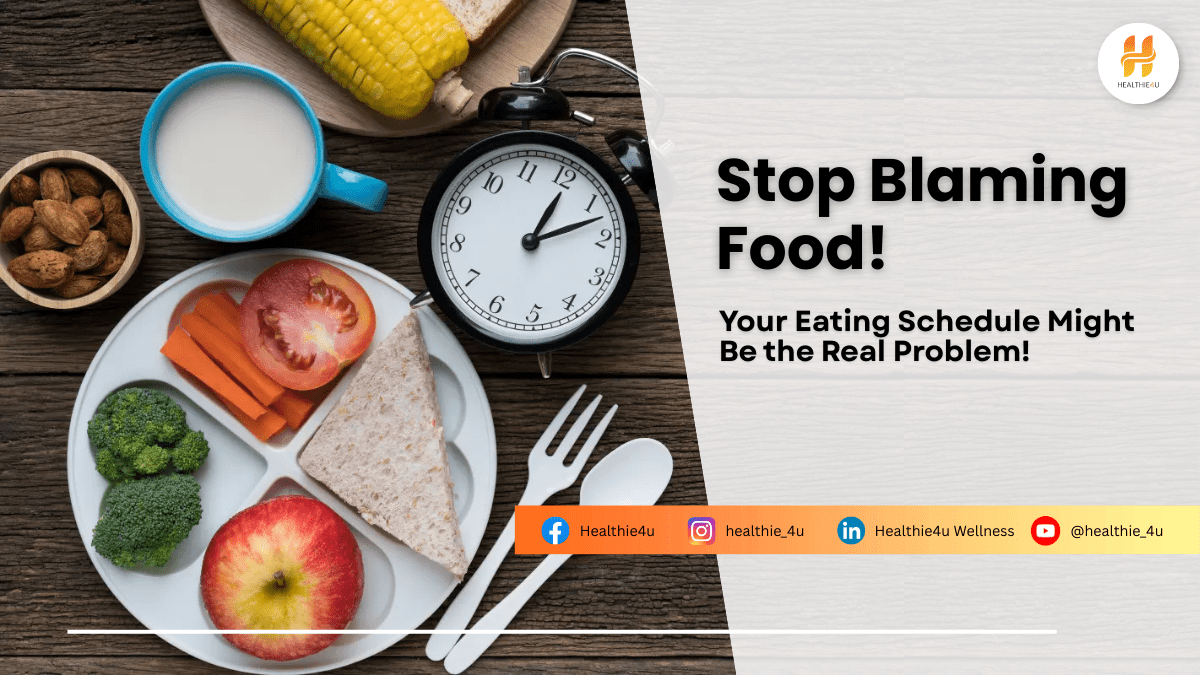
Stop Blaming Food—Your Eating Schedule Might Be the Real Problem!

By Tips & Tricks, Weight Loss & Gain Management

Meal timing is more than just choosing what to eat—it’s about when you eat. Your body follows a natural clock, known as the circadian rhythm, that controls sleep, digestion, and metabolism. Aligning your meals with this rhythm can boost energy, improve digestion, support weight management, and even enhance sleep quality. But irregular or late-night eating can throw this balance off, leading to indigestion, weight gain, and long-term health risks. Understanding your body’s clock and planning meals around it could be the simple change that transforms your health.

Read More
Diet Mistake

Top 3 reasons you’re not losing weight—nutrition mistakes to avoid

By Weight Loss & Gain Management, Weightloss diet

Top 3 Diet Mistakes Stopping Your Weight Loss Progress (and How to Fix Them)

Losing weight isn’t just about eating less or exercising more—it’s about understanding your food choices, your eating habits, and how your body responds to nutrition. Many people follow a “healthy” diet, exercise consistently, and still struggle to lose weight. This often leads to frustration, confusion, and self-blame.

But here’s the truth: weight loss is not always about effort—it’s about strategy.
Even the healthiest eaters can make mistakes that unknowingly block progress. If the scale isn’t moving despite discipline, the issue might not be your workout routine or your motivation, but certain common nutrition errors.

Below are the top three diet mistakes that sabotage fat-loss goals, along with practical ways to overcome them.


1. Overeating Healthy Foods – Diet mistakes

What Most People Think

Many assume that if something is healthy, they can eat an unlimited amount. Foods like nuts, avocado, peanut butter, protein bars, olive oil, granola, and hummus are rich in nutrients and highly beneficial for health. But healthy doesn’t always mean low calorie, that is a big diet mistakes —and portion size matters more than we realise.

Why This Becomes a Problem

Many healthy foods are calorie-dense, meaning they pack a lot of energy into a small quantity. For example:

Food Item Approx. Calories
1 teaspoon olive oil 90 calories
1 avocado 250–300 calories
Handful of almonds (30g) 180 calories
2 tablespoons peanut butter 200 calories
1 small bowl granola 300–400 calories

So, if you’re eating salads with nuts, avocado, olive oil dressing, and granola bars as snacks—you may be consuming more calories than you burn, even without realizing it. Weight loss requires a calorie deficit, which means consuming fewer calories than your body uses. If calorie intake exceeds expenditure, fat loss stalls, even with “clean eating.”

How to Fix It

Measure portions of high-calorie healthy foods
Use a weighing scale or measuring spoons to control quantity
Read nutrition labels carefully, especially for “diet,” “keto,” “organic,” or “sugar-free” packaged items
Build balanced meals containing lean protein + high fiber veggies + small amount of healthy fats
Don’t eat from packets—portion it out first

Example balanced plate:

  • ½ plate vegetables

  • ¼ plate lean protein (chicken, egg, paneer, dal)

  • ¼ complex carbs (oats, brown rice, quinoa)

  • 1 teaspoon healthy fat (ghee/olive oil)


2. Drinking Your Calories – Diet mistakes

The Hidden Diet Mistakes

Most people focus on what they eat, but ignore what they drink. Drinks often contain hidden sugar and calories that do not create fullness, but still add to total calorie intake. These include:

  • Fruit juices

  • Smoothies loaded with fruits & honey

  • Fancy coffees like frappes, cappuccino, caramel lattes

  • Alcohol

  • Milkshakes and flavored milk

  • Kombucha, electrolyte drinks, packed coconut water

  • Soda or diet coke

Why It’s Harmful

Liquid calories do not activate satiety signals, so you don’t feel full and may eat more later.
Example calorie counts:

Beverage Approx. Calories
Medium café latte 250–350 calories
Fruit smoothie 350–550 calories
Soft drink can 140 calories
Coconut water bottle 110 calories
2 drinks of alcohol 300–450 calories

Even if your meals are controlled, these beverages alone can push you into surplus calories, stopping fat loss completely. And alcohol slows metabolism, increases cravings, and reduces self-control—often causing overeating.

How to Fix It

✔ Choose water, sparkling water, or herbal tea
✔ Drink black coffee or green tea instead of creamy coffees
✔ Make smoothies smartly (protein + greens + ½ banana + no added sugar)
✔ If drinking alcohol, choose vodka soda or light beer and eat mindfully

If you reduce just 300 liquid calories per day, you could lose approximately 1–1.5 kg per month without changing anything else.


3. Underestimating Portions & Not Tracking Honestly – Diet mistakes

What Diet mistakes Happens in Reality

Most people believe they are eating less than they actually do. Research shows that people underestimate calorie intake by 20–40%. Small bites, tasting while cooking, finishing leftovers, dressings, sauces, dips, and oils—all add calories that often go unnoticed.

Common Hidden Calorie Sources

  • 1 tablespoon salad dressing = 80–120 calories

  • 1 spoon ghee or oil = 90 calories

  • Biscuits with tea = 150 calories

  • Sample bites while cooking = 100–150 calories

  • Eating outside food = underreported calories by 40–60%

You may feel like you’re dieting hard, but invisible calories can prevent fat loss.

How to Fix It

Track honestly using a reliable app (like Healthie4U)
Include every bite—even sauces, snacks, and drinks
Use a food scale for at least 7–10 days to understand real portions
Plan meals instead of guessing
Eat mindfully and avoid distractions while eating

Bonus Strategy: Volume Eating

Choose high-volume, low-calorie foods that fill your stomach without adding many calories:

  • Vegetables, salads, soups, fruits

  • Lean protein (eggs, chicken, tofu, dals)

  • Whole grains (oats, quinoa, brown rice)

This increases fullness, reduces cravings, and supports sustainable fat loss.


The Bottom Line

Weight loss isn’t about starving, eliminating food groups, or following extreme diets. So stop diet mistakes, and understant that it is about:

  • Eating smart, not eating less

  • Understanding calorie balance

  • Making mindful nutritional choices

  • Tracking portions consistently

  • Managing liquid calorie intake

  • Choosing high-protein, high-fiber foods

Small improvements made consistently lead to the biggest results. Awareness is more important than willpower.


How Healthie4U Helps

Tracking portions, monitoring calorie intake, and planning meals can be confusing—but you don’t need to do it alone.
Healthie4U App gives you a personalised diet plan, calorie tracking, portion guidance, meal ideas, and progress monitoring, making weight loss simple and sustainable.

Transform your weight loss journey with Healthie4U — because smart eating always wins over random dieting.

Stop doing diet mistakes, struggling to track your meals and stay within calorie limits? Check out our blog on Calorie Counting App for Weight Loss and see how Healthie4U can simplify your journey toward effective fat loss.

healthy diet

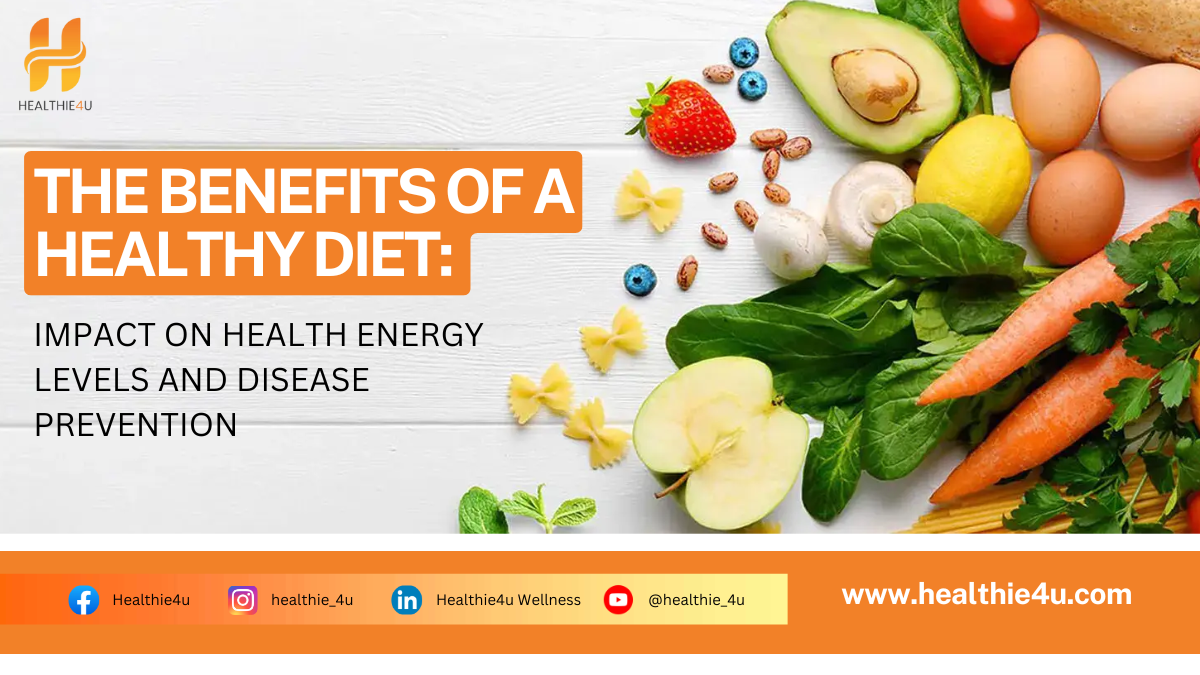
THE BENEFITS OF A HEALTHY DIET: IMPACT ON HEALTH ENERGY LEVELS AND DISEASE PREVENTION

By Weight Loss & Gain Management

Eating a healthy diet is one of the best choices you can make for your overall health. Good nutrition not only keeps your body in shape but also improves your mood, gives you more energy, and helps prevent various illnesses. By learning about what makes up a healthy diet, you can make smarter food choices that are good for both your body and mind.

Nourish your body with a variety of Nutrient-Rich food:

A healthy diet includes a mix of different foods that give your body the nutrients it needs, like carbs, proteins, fats, vitamins, and minerals. This means eating a variety of colourful fruits and vegetables, which are full of vitamins and good for your health. Adding whole grains like brown rice, quinoa,dalia and oats to your meals helps provide lasting energy and keeps your digestion running smoothly. Lean proteins such as chicken, fish, beans, and lentils are important for building and repairing your body. Healthy fats found in foods like avocados, nuts, and olive oil are also essential for a healthy heart and brain. By eating a balanced diet with these foods, you can make sure your body gets everything it needs to work well.

The power of Nutrition:

Healthy Diet Enhances Your Overall Well-Being

The importance of a healthy diet for your overall health is huge. Eating well helps you maintain a healthy weight, which lowers your risk of issues like heart disease, diabetes, and some cancers. A balanced diet also boosts your immune system, making it easier for your body to fight off sickness. For example, vitamins C and E, found in many fruits and veggies, are important for keeping your immune system strong. Plus, some foods can help improve your mood and mental health. For instance, omega-3 fatty acids in fish can help reduce feelings of depression and anxiety, while complex carbs can help keep your blood sugar steady, which can also lift your mood.

Fuel Your Day:

How a Balanced Diet and Hydration Boost Your Energy Level:

Steady Energy, Smart Eating:

What we eat has a big impact on our energy levels. A healthy diet helps keep your energy steady throughout the day. Foods that are high in whole grains and proteins release energy slowly, while sugary snacks can give you quick bursts of energy followed by crashes.

Fuel Energy, Stay Hydrated:

Eating a variety of nutrients helps your body function well and prevents tiredness. Staying hydrated is also very important; drinking enough water keeps your energy up since even a little dehydration can make you feel sluggish.Eating fruits and veggies with a lot of water, like cucumbers and oranges, can help with hydration and also add extra nutrients.

Healthy Diet, Disease Defense:

Another important reason to eat healthy is that it can help prevent diseases. Studies show that a diet rich in fruits, vegetables, whole grains, and healthy fats can greatly lower the risk of chronic illnesses. For example, eating lots of fruits and veggies is linked to a lower risk of heart disease and stroke because they help lower blood pressure and cholesterol.

Balanced Diet Cuts Diabetes, Cancer Risk:

A balanced diet also helps control blood sugar levels, which can lower the chances of developing Type 2 diabetes. Additionally, some research suggests that certain eating patterns may reduce the risk of specific cancers. Diets high in antioxidants, commonly found in fruits and vegetables, may help protect your cells and lower cancer risk.

Effortless Healthy Eating:

Switching to a healthier diet might feel overwhelming, but there are simple steps you can take to make it easier. One good strategy is to plan your meals ahead of time. This helps you make better food choices and resist the urge to grab fast food or processed snacks. Reading nutrition labels can also help you be more aware of what you’re eating, allowing you to avoid added sugars and unhealthy fats. Practising portion control and being mindful while eating can help you enjoy your meals without overeating.

In summary, choosing to eat a healthy diet is a great way to improve your overall health. By making smart food choices, you can increase your energy, lift your mood, and greatly reduce the chances of serious illnesses. Eating a mix of nutritious foods helps your body work at its best. While changing your eating habits might feel tough at first, simple tips like planning your meals and being mindful while eating can make it easier. Focusing on good nutrition now will lead to a healthier and happier future.

Discover more powerful nutrition insights in our blog “Super Foods Explained: Are They Worth the Hype?” and get customized meal plans through the Healthie4U App to support your healthy sweet choices this festive season.

Vegetarian Diet

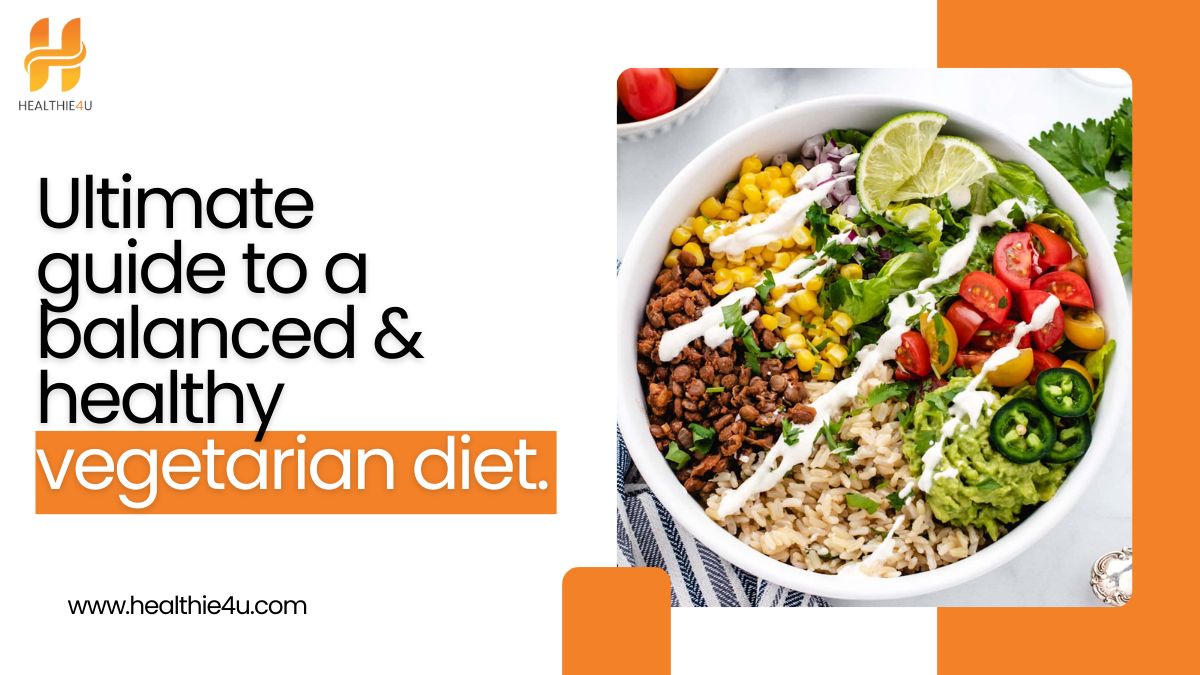
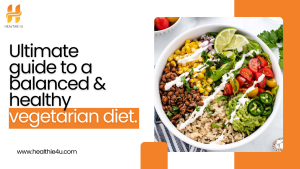
The Ultimate guide to a Balanced & Healthy Vegetarian Diet

By Weightloss diet, Weight Loss & Gain Management

A balanced diet is, especially a well-planned vegetarian diet is crucial in maintaining a good health, preventing chronic diseases, increasing energy levels, and improving the overall quality of life. It involves consuming various nutrient-dense foods in the proper proportions, including carbohydrates, proteins, fats, vitamins, and minerals.

A well-planned vegetarian diet can provide all essential nutrients when balanced with fruits, vegetables, whole grains, and plant-based proteins.

Why Is It Important To Have A Balanced Diet?

Eating a balanced diet, such as a nutrient-rich vegetarian diet, can bring a wide range of benefits to your overall health and well-being, including

1. Improved Physical Health

Eating a balanced diet can help maintain a healthy weight, lower the risk of chronic diseases like diabetes, heart disease and certain cancers, and improve the immune system’s function.

2. Increased Energy Levels

A balanced diet gives the body the nutrients that are required to function at its best, leading to increased energy levels and improved productivity.

3. Better Digestion

A balanced diet that includes plenty of fibre can improve digestion, reduce constipation and bloating, and improve gut health.

4. Stronger Bones And Teeth

A diet that includes adequate nutrients and minerals like calcium, magnesium, and vitamin D helps build and maintain strong bones and teeth.

5. Improved Skin Health

Eating a balanced diet that involves plenty of fruits, vegetables, and healthy fats can improve skin health, reducing the risk of acne, premature ageing, and other skin conditions.

6. Improved Mental Health

Studies have shown that a balanced diet can positively impact mental health, reducing the risk of depression, anxity, and cognitive decline.


How to Follow a Balanced Vegetarian Diet?

Following a balanced diet involves eating various foods from all food groups in the right proportions to provide the nutrients and energy your body needs. Here are some tips to help you follow a balanced diet


1. Include a Variety of Fruits and Vegetables

Aim for at least five portions of fruits and vegetables each day.

2. Eat Whole Grains

Choose whole-grain bread, brown rice, wheat flour, ragi, jowar, and oats instead of refined grains.

3. Include Protein-Rich Foods

To follow a balanced vegetarian diet, Choose dairy products such as milk, curd, paneer, Tofu, soy, dal, pulses, beans, lentils, nuts, and seeds.

4. Limit Unhealthy Fats and Sugars

Avoid saturated and Trans fats found in processed foods, sugary drinks, and sweets.

5. Drink Plenty of Water

You should aim for at least eight glasses of water each day in order to stay physically fit.

6. Monitor Portion Sizes

Use a smaller plate, avoid second servings, and eat mindfully.

7. Seek Professional Advice

Consult a registered dietitian or nutritionist about developing a personalized balanced diet plan based on your individual needs and preferences.


SEVEN COMMON MISTAKES TO AVOID WHILE FOLLOWING A BALANCED DIET :

Following a balanced diet is essential for maintaining good health and preventing chronic diseases. However, it’s easy to make mistakes that can hinder your progress towards a healthy diet. Here are some basic mistakes to avoid while following a balanced diet

1. Skipping Meals

Skipping meals may seem like a good idea to reduce calorie intake, but it may lead to over-eating and poor food choices later in the day.

2. Not Eating Enough Fruits and Vegetables

Vegetables and fruits are rich sources of vitamins, minerals, and fibre essential for good health. Therefore, you must include at least five servings of fruits and vegetables per day.

3. Relying too Much on Processed Foods

Even when following a vegetarian diet, Processed foods are mostly high in calories, unhealthy fats, and sugars, which can contribute to weight gain and poor health outcomes.

4. Not Drinking Enough Water

Water is essential for good health and helps keep you hydrated. Intend to drink a minimum of eight glasses of water per day.

5. Consuming too Much Salt

High salt consumption can lead to high blood pressure, heart disease and stroke risk. Try to limit your salt intake and avoid adding extra salt to your meals.

6. Skipping Breakfast

Breakfast is an important meal of the day, and skipping it can lead to overeating later in the day. Aim to have a healthy breakfast every day to help kick-start your metabolism.

7. Consuming Too Much Saturated and Trans Fats

Saturated and Trans fats can increase the level of cholesterol and heart disease risk. So try to limit your intake of foods that contain high saturated and Trans fats, like junk, fried foods, and baked goods.


SAMPLE BALANCED PLATE

  • Half your plate: Fruits and Vegetables.
  • One quarter: Whole grains.
  • One quarter: Protein.

In conclusion, choosing a balanced vegetarian diet can be a powerful step toward better health, improved digestion, and long-term wellness—helping you nourish your body while enjoying delicious, wholesome foods every day.

By following these guidelines, you can create a balanced vegetarian diet that supports overall health and well-being.

To learn more about restoring metabolism and improving fat loss sustainably, check out our blog — 10 Benefits of Reverse Dieting for Metabolism Recovery & Weight Loss — and explore vegetarian diet plans and smart nutrition coaching on the Healthie4U App.

workplace wellness

7 Tips for Healthy Eating & Mental Wellbeing at Work

By Weightloss diet, Weight Loss & Gain Management

Workplace Wellness: How Healthy Eating and Mental Well-Being Boost Productivity

In today’s fast-paced professional world, maintaining good health often becomes challenging. Most people spend long hours sitting, rushing through meals, multitasking under pressure, and juggling deadlines—leaving little time for self-care. However, prioritizing workplace wellness is essential for staying productive, focused, and mentally balanced. When we take steps to eat well, manage stress, stay active, and support our mental health, it results in increased creativity, improved decision-making, and overall job satisfaction.

This comprehensive guide highlights practical strategies to help individuals and organizations build habits that support workplace wellness, creating an environment where health and productivity thrive together.


Why Workplace Wellness Matters

Many employees underestimate the connection between nutrition, mental health, and performance. When the body lacks proper fuel or the mind is overwhelmed, energy levels drop, concentration weakens, and motivation decreases. This is where workplace wellness becomes crucial—not just for personal benefit, but also for creating a healthy, positive work culture.

Benefits of prioritizing workplace wellness include:

  • Increased productivity and efficiency

  • Stronger focus and sharper memory

  • Reduced stress and anxiety

  • Better teamwork and communication

  • Lower risk of chronic health conditions

  • Improved job satisfaction and retention

By adopting small but effective lifestyle habits, both employees and employers can build a supportive and healthier working environment.


Practical Wellness Strategies for a Healthier Workday

1. Plan and Prep Meals Ahead

Meal planning is one of the most valuable tools for promoting workplace wellness. Preparing food in advance saves time, reduces unhealthy meal choices, and ensures balanced nutrition. Consider batch cooking basics like:

  • Dal (lentils)

  • Sabzi (vegetable stir-fries)

  • Chapatis

  • Soups, boiled grains, or roasted vegetables

Having healthy meals ready prevents last-minute ordering of fast food and supports steady energy throughout the day.


2. Start the Day With a Nutritious Breakfast

Breakfast fuels the brain and body, making it essential for workplace wellness. A nutrient-dense breakfast helps stabilize blood sugar, improve focus, and enhance cognitive performance. Great options include:

  • Idli with sambar

  • Poha with peas and peanuts

  • Vegetable upma

  • Oats with fruits and nuts

  • Sprouts salad or multigrain parathas

Skipping breakfast can lead to fatigue, irritability, and reduced productivity—so starting strong is key.


3. Eat Small, Frequent Meals

Eating smaller meals at regular intervals supports consistent energy and prevents overeating. This habit is beneficial in maintaining workplace wellness, especially during long working hours.

Examples of smart mini-meals include:

  • Fruit chaat

  • Roasted chana

  • Makhana

  • Greek yogurt or chaas

  • Dry fruits and seeds

Preparing snacks ahead of time stops people from reaching for processed junk food or sugary treats.


4. Choose Healthy Snacks

Healthy snacking improves metabolism, prevents low-energy crashes, and supports overall workplace wellness. Keep nutritious snack options easily accessible in the office pantry or at your desk. Foods such as peanut chikki, energy bars, hummus with veggies, or fresh fruit bowls are great choices.

Workplaces can encourage balanced snacking by replacing fried snacks and sweets with healthier alternatives.


5. Practice Mindful Eating

Mindful eating means slowing down, paying attention to what you eat, and enjoying each bite rather than rushing through meals. It helps with digestion, reduces stress eating, and prevents overeating—key components of workplace wellness.

Tips for practicing mindful eating:

  • Eat away from laptops and phones

  • Take time to chew slowly

  • Sit in a calm space

  • Share meals with colleagues instead of eating alone at the desk

Creating tech-free lunch spaces can improve the eating experience and foster team connection.


6. Stay Hydrated

Hydration is essential for concentration, energy, and physical health. Dehydration can lead to headaches, fatigue, and reduced focus, directly affecting workplace wellness. Encourage employees to drink more water throughout the day and choose healthy beverages.

Hydrating drink options include:

  • Buttermilk (chaas)

  • Coconut water

  • Infused water with mint, lemon, or cucumber

  • Herbal teas like ginger or peppermint

Keeping a reusable water bottle nearby helps maintain hydration effortlessly.


7. Stay Active Throughout the Day

Physical activity plays a major role in workplace wellness, improving both physical strength and mental clarity. Sitting for long periods slows metabolism and increases the risk of diseases like diabetes, obesity, and hypertension. Incorporating small movements into the work routine can have a major positive impact.

Ways to stay active at work:

  • Stretch every hour

  • Take walking breaks

  • Use stairs instead of elevators

  • Participate in quick desk workouts

  • Organize walking meetings

  • Use standing desks when possible

Regular movement helps reduce stress, improve mood, and enhance creativity.


Creating a Supportive Workplace Environment

For long-term success, workplace wellness should be supported at both the individual and organizational levels. Employers can promote a healthier work culture by:

  • Offering wellness programs or workshops

  • Providing healthy cafeteria options

  • Encouraging breaks instead of overworking

  • Creating stress-relief activities like yoga or meditation sessions

  • Supporting mental health and counseling services

When companies invest in workplace wellness, employees feel valued, motivated, and connected.


Final Thoughts

Developing healthy habits at work does not require dramatic changes—small steps taken consistently can transform overall well-being. By focusing on nutritious eating, regular hydration, mindful habits, and physical movement, we can significantly improve energy, positivity, and performance at work.

Let’s embrace workplace wellness as a shared responsibility. By supporting each other and prioritizing health, we create a workplace where productivity grows naturally and everyone feels happier and healthier.

Make your well-being a priority, not an afterthought—start your journey to stronger workplace wellness today!


To explore more simple nutrition tips for busy professionals, check out our blog “Desk Job? Here’s an Easy Nutrition Guide to Stay Healthy” and download the Healthie4U App to get personalized meal plans and workplace wellness guidance right at your fingertips.

weight gain

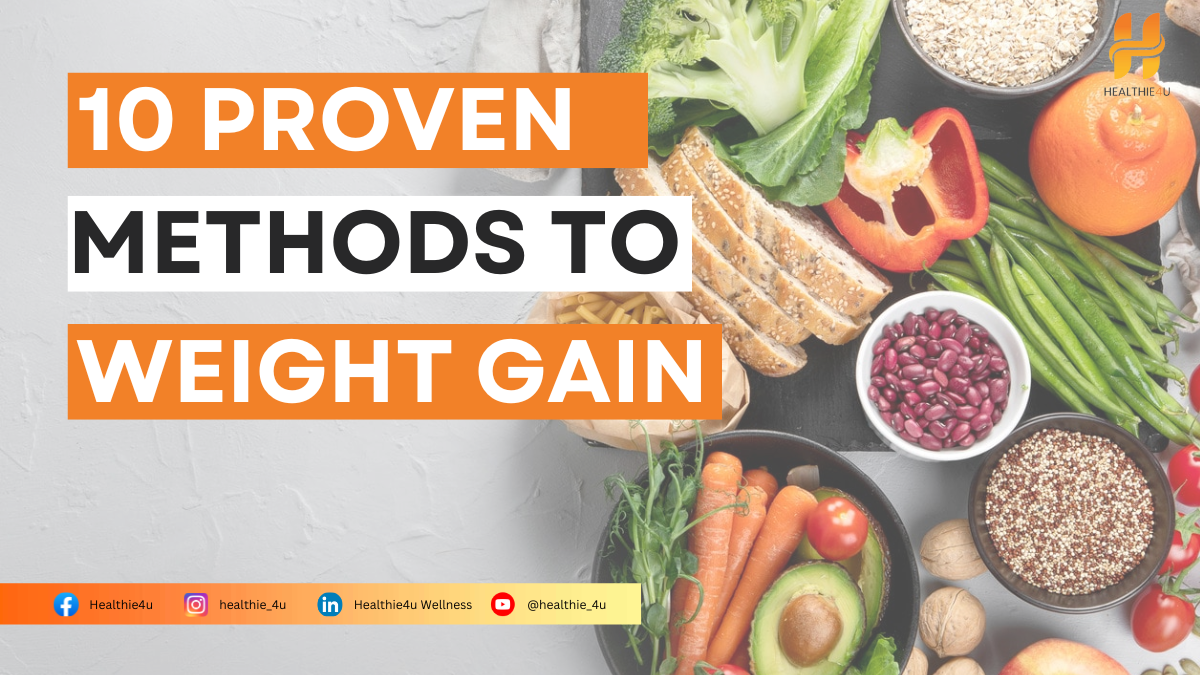
10 Proven Methods to Gain Weight

By Weight Loss & Gain Management

Healthy Weight Gain: Effective Strategies for Building Strength & Body Mass Naturally

In a world where most conversations revolve around weight loss, it’s easy to overlook that weight gain is an equally important goal for many individuals. Whether someone is recovering from a medical condition, has a naturally fast metabolism, or is an athlete wanting to increase muscle mass, weight gain can be a real struggle. Unlike overeating junk food or choosing sugary processed snacks, healthy gain requires a thoughtful and structured approach that focuses on improving strength, stamina, and overall well-being.

Many people trying to achieve weight gain face challenges such as low appetite, quick metabolism, or difficulty consuming enough calories throughout the day. However, with the right nutritional strategies and lifestyle changes, gaining weight in a healthy and sustainable manner is absolutely possible. This guide breaks down scientifically supported methods that can help you reach your weight gain goals safely and effectively.


Why Healthy Weight Gain Matters

Just like excessive weight can impact health negatively, being underweight can lead to problems such as low immunity, fatigue, nutrient deficiencies, weak bones, and decreased muscle strength. Healthy weight gain is not about adding fat but building lean muscle, strengthening the body, and boosting energy levels. Approaching weight gain with focus and patience is essential for long-term success.


10 Best Strategies for Healthy Weight Gain

1. Understand Your Calorie Requirements

The first step toward gaining weight is understanding how many calories your body needs. Using online calculators or consulting a nutritionist can help determine your maintenance calorie level. To support weight gain, aim to consume 300–500 extra calories per day consistently. Without a calorie surplus, healthy weight gain simply isn’t possible.


2. Prioritize Nutrient-Dense Foods

Increasing calories doesn’t mean eating anything and everything. For healthy weight gain, include nutrient-dense foods that provide energy as well as vitamins, minerals, and healthy fats. Foods such as avocados, nuts, seeds, whole grains, peanut butter, paneer, ghee, cheese, and fatty fish are excellent choices. For example, adding a spoon of ghee to rice or chapati can significantly boost calorie intake and support good weight.


3. Increase Your Protein Intake

Protein is essential for building muscle, repairing tissues, and supporting overall body strength—making it crucial for healthy build up. Aim for 1.2 to 1.5 grams of protein per kilogram of body weight. Add foods like eggs, chicken, fish, paneer, lentils, tofu, and dairy products. Smoothies made with milk, peanut butter, and banana are also fantastic high-calorie, high-protein options for weight gain.


4. Eat More Frequently

If you struggle to eat large meals, try eating 5–6 smaller meals throughout the day. Spacing meals helps avoid feeling too full and allows steady calorie intake. Eating frequently keeps metabolism active and ensures consistent progress towards gaining weight.


5. Smart High-Calorie Snacking

Snacking strategically is one of the easiest ways to boost calorie intake for weight gain. Choose snacks like trail mix, peanut chikki, protein bars, Greek yogurt, dry fruits, granola, cheese slices, and smoothies. Keeping healthy snacks easily accessible helps meet calorie goals without forcing extra large meals.


6. Incorporate Healthy Fats

Healthy fats are calorie-dense and essential for hormone balance and nutrient absorption, making them an important part of any weight gain diet. Use olive oil, coconut oil, avocado, peanut butter, ghee, nuts, and seeds. Drizzling oil over salads or adding nut butter to shakes is a simple way to enhance calorie count.


7. Start Strength Training

Exercise is an important aspect of weight gain, especially if your goal involves building muscle. Strength training stimulates muscle growth and ensures calories turn into muscle rather than fat. Focus on exercises such as squats, deadlifts, bench presses, and push-ups. Train at least 3–4 times a week with progressive overload to see visible improvements in muscle mass and weight gain.


8. Limit Empty Calories

While junk food may help in rapidly gaining weight, it leads to unhealthy fat storage and long-term health issues. Instead of processed food, sugary beverages, or deep-fried snacks, focus on whole foods that nourish the body. Healthy weight gain emphasizes quality calories, not just quantity.


9. Hydrate Smartly

Water is essential for digestion and performance, but drinking too much water before meals can reduce appetite. For successful weight gain, consider adding calorie-rich drinks like fruit smoothies, milk, buttermilk, coconut water, and shakes into your diet. These help increase calories without reducing hunger.


10. Stay Consistent & Track Progress

Patience is key when working toward gaining weight. Monitor your calorie intake, track strength improvements, and stay consistent with your diet and workout routine. A food journal or mobile app can help maintain discipline and track progress. Celebrate small wins and trust the process—it takes time, but consistency will bring results.


Conclusion

Healthy weight gain is a gradual and intentional process that requires balanced nutrition, strength-focused exercise, and lifestyle discipline. Instead of relying on unhealthy junk food or shortcuts, prioritize whole foods, nutrient-dense meals, and mindful eating. With dedication, consistency, and a structured plan, gaining weight can lead to improved energy, stronger muscles, better immunity, and overall well-being. Remember: whether your goal is building strength or increasing body mass, every step forward counts!

Want to upgrade your daily routine with smarter drink choices? Explore our blog “10 Powerful Functional Beverages to Boost Your Health & Everyday Wellness” and discover drinks that truly make a difference — and don’t forget to download the Healthie4U App for personalized nutrition guidance and health plans!

PCOS and weight gain

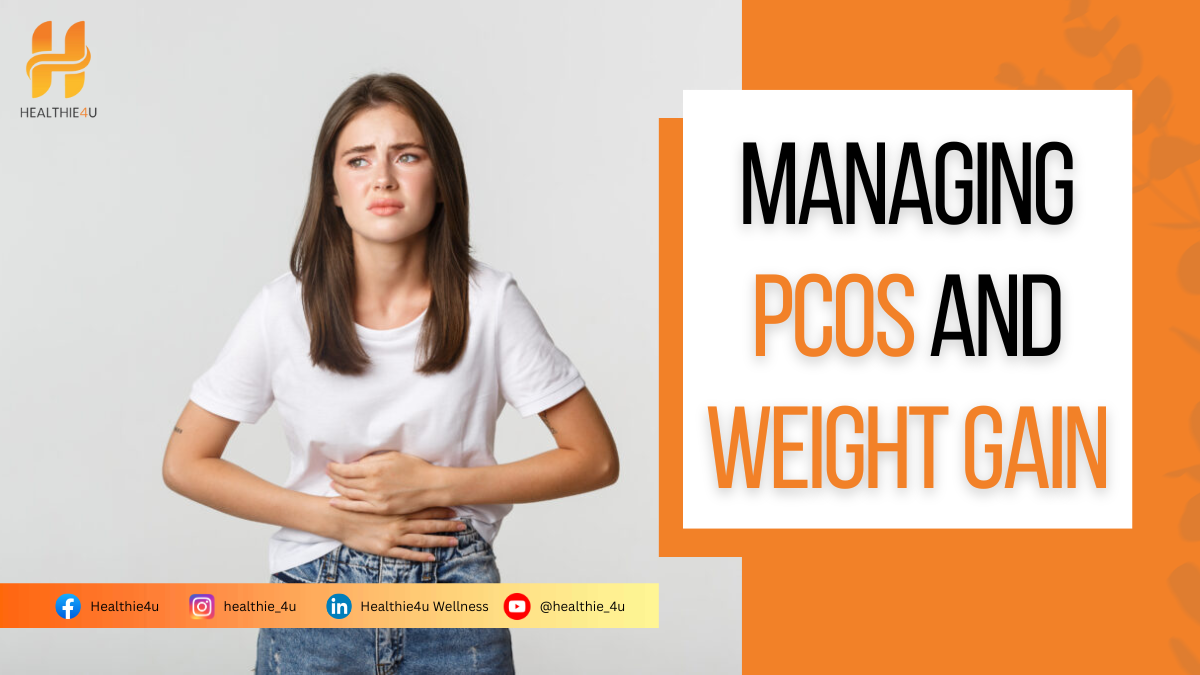
Managing PCOS and Weight Gain: The Crucial Role of Diet

By PCOS and PCOD Management, Weightloss diet

Understanding PCOS and Weight Gain: Causes, Symptoms & Effective Solutions

Polycystic Ovary Syndrome (PCOS) is one of the most common hormonal disorders, affecting around 15% to 18% of women of reproductive age. Nearly 1 in 10 women experience PCOS, making it a major health concern globally. PCOS is primarily driven by hormonal imbalances, especially insulin resistance and elevated androgen (male hormone) levels, which significantly influence metabolism and body weight. Because of this imbalance, PCOS and weight gain often go hand in hand, forming a cycle that can be challenging to break without proper management.


Common Symptoms of PCOS

Women diagnosed with PCOS may experience a variety of symptoms, many of which are connected to metabolic and hormonal disturbances:

  • Irregular menstrual cycle – Periods may be infrequent, occur more than 35 days apart, or happen fewer than eight times a year.

  • Ovarian cysts – Multiple immature follicles in the ovaries can fail to release eggs due to high androgen levels.

  • Weight gain – One of the most common concerns in PCOS. Insulin resistance increases hunger, promotes fat storage, and slows the body’s fat-burning ability, which leads to PCOS-related weight gain.

  • Hirsutism – Excess facial or body hair due to excess androgens.

  • Acne – Oily skin and frequent breakouts, especially on the face, chest, and back.

  • Alopecia – Hair thinning or male-pattern baldness.

  • Acanthosis Nigricans – Dark patches of skin, mostly around the neck, groin, and underarms, indicating insulin resistance.

  • Other concerns include mood swings, anxiety, sleep issues, food cravings, and infertility.


The Link Between PCOS and Weight Gain

The connection between PCOS and weight gain is complex and cyclical. Many women with PCOS struggle with insulin resistance, meaning the body has difficulty using insulin effectively. As a result, more insulin is produced, which increases fat storage and stimulates appetite—leading to rapid or unexplained weight gain.

Excess weight, in turn, worsens inflammation and hormonal imbalance, increasing symptoms such as irregular periods, acne, and hair growth. This cycle makes weight loss for PCOS more difficult than it might be for others.

However, even a 5–10% reduction in body weight can significantly improve symptoms, restore menstrual regularity, and enhance fertility.


Effective Weight Management Strategies for PCOS

Adopting healthy lifestyle habits is the most effective approach to managing PCOS and weight gain. Here are practical strategies:

1. Eat a Balanced PCOS-Friendly Diet

Focus on whole, unprocessed foods such as:

  • Non-starchy vegetables, fruits, lean proteins, legumes, nuts, and seeds

  • Healthy carbohydrates and low-fat dairy

These foods help regulate blood sugar and reduce inflammation—key factors in reducing PCOS weight gain.

2. Choose Low GI Foods

Low-glycemic foods cause a slower rise in blood glucose and support better insulin control. Examples include:

  • Eggs, poultry, meat, beans, nuts, seeds, quinoa, apples, pears, and leafy greens

3. Have Small Frequent Meals

Eating every 3–4 hours can stabilize blood sugar levels, improve metabolism, and reduce cravings linked with PCOS and weight gain.

4. Increase Omega-3 Rich Foods

Omega-3 fatty acids reduce inflammation, regulate hormones, and support fertility while aiding weight loss. Include:

  • Chia seeds, flaxseeds, walnuts, fatty fish, hemp seeds

5. Engage in Regular Physical Activity

Exercise helps improve insulin sensitivity and reduce PCOS-related weight gain. Benefits include:

  • Improved fitness, weight reduction, emotional balance, lower androgens, regular menstrual cycles, and better fertility

A combination of cardio (walking, cycling, swimming) and strength training is ideal.

6. Consider Supplements

Some supplements researched for PCOS management include:

  • Inositol, Vitamin D, Chromium, Curcumin, Berberine, CoQ10

(Use only under medical guidance.)


Final Thoughts

Successfully managing PCOS and weight gain requires a customized approach rooted in balanced nutrition, consistent exercise, and hormonal support. Prioritizing whole foods, regular movement, and lifestyle improvements can help control insulin resistance, reduce inflammation, and support emotional and physical well-being.

With the right plan, women with PCOS can achieve sustainable weight loss, improve hormonal balance, and regain control over their health and confidence.

To understand how PCOS can impact long-term heart health, read our detailed blog – Can PCOS Lead to a Heart Attack? Understanding the Link, and download the Healthie4U app for expert guidance and personalized support.

Close Menu

Contact us