Weight Loss & Gain Management Archives - Page 2 of 2 - Mumbai's Top Nutritionist & Healthcare Consultants for Customized Workouts Skip to main content
Category

Weight Loss & Gain Management

hormonal changes after 40

Weight Loss Diet Plan for Women Over 40: Balancing Hormones and Boosting Metabolism

By Weightloss diet, Weight Loss & Gain Management

Hormonal Changes After 40 in Women: Understanding Metabolism, Symptoms & Solutions

Aging is a natural phase of life, and one of the most significant shifts women face is the hormonal changes after 40. These changes directly influence metabolism, weight, energy levels, sleep, and emotional well-being. As the body moves closer to menopause, fluctuations in key hormones—including estrogen, progesterone, thyroid hormones, and cortisol—increase, affecting overall health in multiple ways.


Key Hormonal Changes After 40

Estrogen

As women age, hormonal changes after 40 include a gradual decline in estrogen levels. Reduced estrogen may cause symptoms such as:

  • Hot flashes

  • Mood swings

  • Night sweats

  • Vaginal dryness
    Low estrogen levels also raise the risk of osteoporosis and heart disease.

Progesterone

Progesterone levels also decrease with age. As part of the hormonal changes after 40, low progesterone can lead to:

  • Headaches

  • Trouble sleeping

  • Depression or anxiety

  • Irregular menstrual cycles

  • Weight gain

Thyroid Hormones

Thyroid dysfunction becomes common due to hormonal changes after 40. Low thyroid hormones lead to hypothyroidism, while high levels may cause hyperthyroidism. Both conditions impact metabolism, energy, and weight.

Cortisol

Cortisol, the body’s stress hormone, tends to increase around this stage. This shift in hormonal changes after 40 may cause:

  • Weight gain, especially belly fat

  • Fatigue and low energy

  • Mood fluctuations

  • Cravings and emotional eating

  • Insomnia


Hormonal Changes After 40 and Metabolism

Metabolism naturally slows down after the age of 40. Decreased anabolic hormones and reduced muscle mass are major contributors. As muscle mass reduces, the body burns fewer calories, making weight management more challenging. These metabolic and hormonal changes after 40 can increase the risk of:

  • Obesity

  • Insulin resistance

  • Impaired glucose tolerance

  • Dyslipidemia

  • Osteoporosis

  • Weaker immune function

  • Atherosclerosis

  • Chronic inflammation


How to Manage Hormonal Changes After 40

Although aging cannot be stopped, adopting healthy lifestyle habits can help balance hormonal changes after 40 and support overall well-being.

1. Eat a Nutritious Diet

Include:

  • Fruits, vegetables, whole grains, lean proteins, nuts, seeds, and dairy
    Avoid excessive processed foods as they worsen hormonal imbalance.

Important Nutrients

  • Calcium: Supports bone health as low estrogen reduces bone density. Sources include milk, curd, millets, leafy greens, nuts, and oilseeds.

  • Vitamin D: Essential for hormone regulation and bone strength. Sunlight, fatty fish, egg yolk, mushrooms, and fortified cereals are good sources.

  • Vitamin C: A powerful antioxidant that reduces stress, supports immunity, and reduces hot flashes. Found in amla, guava, berries, peppers, broccoli, spinach.

  • B Vitamins: Support metabolism, energy, brain health, and sleep regulation. Sources include fish, poultry, legumes, whole grains, and seeds.

  • Omega-3 Fatty Acids: Reduce inflammation, improve mood, ease menopause symptoms, and manage weight. Sources: salmon, mackerel, walnuts, chia seeds, flax seeds.


2. Improve Sleep Quality

Insomnia is common during hormonal changes after 40. Try:

  • Consistent sleep schedule

  • Limit caffeine before bed

  • Regular exercise

  • Stress management

  • Avoid long daytime naps


3. Stay Physically Active

Exercise is essential to balance hormonal changes after 40. Benefits include:

  • Better sleep

  • Weight management

  • Stronger muscles and bones

  • Improved mood

  • Reduced anxiety

  • Better heart health

Recommended routine:

  • Aerobic exercises (walking, swimming, dancing)

  • Strength training (squats, planks, push-ups)


Conclusion

As women age, particularly after 40, they experience significant hormonal changes after 40 that affect metabolism, weight, sleep, and emotional health. Understanding these hormonal shifts—such as declining estrogen and progesterone—helps manage symptoms proactively. With a balanced diet, consistent exercise, proper sleep, and supportive nutrients, women can navigate this stage confidently, turning challenges into an opportunity for strength, vitality, and healthy aging.
best diet plan for weight loss

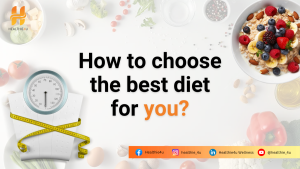
How to Choose the Best Diet for You

By PCOS and PCOD Management, Cholesterol, Diabetes Management, Fitness, Pregnancy, Thyroid, Weight Loss & Gain Management

How to Choose the Best Diet Plan for Weight Loss (and Lifelong Health)

Choosing the right eating plan can feel overwhelming — there are so many diets out there, each promising fast results. However, the best diet plan for weight loss isn’t necessarily the trendiest — it’s the one that aligns with your goals, lifestyle, and health needs. By making deliberate choices, you can find a plan that supports your well‑being and stays realistic long-term.

Why it Matters to Pick the Best Diet Plan for Weight Loss

The wrong diet — overly restrictive, unsuited to your daily routine, or incompatible with your health — often leads to burnout, yo‑yo weight changes, or even nutritional imbalance. On the other hand, the right plan helps you lose fat, build healthy habits, and improve long-term wellness. Studies and expert guidance highlight that long-lasting changes come from sustainable, balanced eating rather than extreme “quick-fix” diets. Mayo Clinic Diet+1


Steps to Choose the Best Diet Plan for Weight Loss

1. Be Clear About Your Goal

First, define what “weight loss” means for you: is it losing 5–10 kg, improving body composition, or reaching a healthy BMI? Once you know your target, you’ll be better placed to evaluate different diet plans. Some diets — like low‑carb or ketogenic — may help with rapid fat loss, while others — like a balanced, high‑protein plan — help with sustainable fat loss and muscle preservation.

2. Match the Diet to Your Lifestyle

A diet that’s hard to follow will rarely last. So reflect on your daily schedule, cooking habits, and activity level:

  • If you’re often busy or traveling → choose a simple plan like “balanced diet for busy schedule” or intermittent-fasting-friendly eating

  • If you’re physically active → a high-protein or moderate-carb plan might suit you

  • If you cook at home and enjoy meals → a balanced diet emphasizing whole foods, vegetables, lean proteins, and healthy fats may work best

A plan aligned with your real life improves adherence — increasing the chances that this will truly become your “best diet plan for weight loss.”


3. Factor in Your Nutritional and Health Needs

Your body’s nutritional requirements and health conditions should guide your diet choice. For example:

  • If blood sugar control is important → consider lower‑GI or lower‑carb eating

  • For heart health, cholesterol, or inflammation → diets rich in fiber, healthy fats (like omega‑3), and vegetables may offer benefits resources.clicks.so+1

  • If you have intolerances or dietary restrictions → go for a flexible, adjustable diet (dairy‑free, gluten‑free, plant‑based, etc.)


4. Look for Long-Term Sustainability

One reason many diets fail is their lack of sustainability. A temporary crash diet can give quick results — but sustaining weight loss demands a diet you can stick with for months or years. The best diet plan for weight loss is often balanced rather than extreme: it allows flexibility, includes all major food groups, and doesn’t demand unrealistic restrictions.

Diet plans like the Mediterranean diet or balanced high‑protein plans rank high in nutrition science because they’re effective and sustainable. Business Insider+1


5. Maintain Flexibility to Avoid Burnout

Rigid diets — with very strict rules — often lead to frustration or relapse. Flexible plans allow occasional indulgences without derailing overall goals. Flexibility helps build a healthy, guilt-free relationship with food and increases the chance you’ll stick with the diet long-term.


6. Consider Professional Guidance

If you have health conditions (like diabetes, high blood pressure, hormonal issues), it helps to consult a healthcare professional or nutritionist before starting any diet plan. Personalized advice ensures your best diet plan for weight loss supports overall health rather than creating nutritional deficiencies.


7. Understand Your Eating Habits & Mindset

How you relate to food — emotional eating, stress eating, cravings — matters. A plan that supports mindful eating, balanced meals, and healthy habits (not deprivation) stands a better chance at long-term success.


8. Try, Monitor, and Adjust

No diet plan is perfect for everyone from day one. Try a plan for a few weeks, observe how your body reacts — energy, digestion, weight changes, mood — and be ready to adjust. The true best diet plan for weight loss is the one that evolves with you.


Conclusion — Your Best Diet Plan for Weight Loss is Personal

The best diet plan for weight loss isn’t universal. What works best for one person might not suit another. Real success comes from matching your goals, lifestyle, nutritional needs, and personality. Choose a plan that’s balanced, realistic, and sustainable. Give yourself time to adapt and make small, healthy choices — that’s how you achieve lasting results and long-term wellness.

Weight Loss and Gain Management

Weight Loss and Gain Management: Achieve Your Health Goals with Healthie4U

By Weight Loss & Gain Management

Weight Management: Achieve Your Health Goals with Healthie4U

Introduction

Welcome to the Healthie4U blog, your trusted source for all things related to health and wellness. Today, we’re diving into the topic of weight loss and gain management, a journey that many individuals embark on to achieve a healthier and happier life. Whether you’re looking to shed a few pounds, maintain your current weight, or even gain weight in a healthy way, Healthie4U is here to guide you every step of the way.

Understanding the Importance of Weight Management

Maintaining a healthy weight is crucial for overall well-being. Weight management goes beyond just aesthetics; it plays a pivotal role in preventing and managing various health conditions, such as heart disease, diabetes, and hypertension. Here are some key reasons why weight management should be a priority in your life:

1. Improved Health: Achieving and maintaining a healthy weight can significantly reduce the risk of chronic diseases, improving your overall health and longevity.

2. Increased Energy: Shedding excess weight often leads to increased energy levels, making it easier to stay active and engage in physical activities you enjoy.

3. Enhanced Confidence: Achieving your desired weight can boost your self-esteem and confidence, positively impacting your mental health and social life.

4. Better Sleep: Weight management can improve sleep quality, helping you wake up feeling refreshed and rejuvenated.

5. Balanced Hormones: Maintaining a healthy weight can help balance hormones, potentially aiding in fertility and reproductive health.

Weight Loss Strategies

For those aiming to shed some extra pounds, it’s essential to approach weight loss in a sustainable and healthy manner. Here are some strategies to consider:

1. Balanced Diet: Concentrate on eating a healthy, balanced diet that is high in whole grains, lean proteins, and fresh produce. Portion control is key.

2. Regular Exercise: Incorporate both cardio and strength training exercises into your routine to boost metabolism and burn calories.

3. Stay Hydrated: Drink plenty of water throughout the day to support your metabolism and curb your appetite.

4. Mindful Eating: Pay attention to your body’s hunger and fullness cues, and avoid emotional eating.

5. Seek Support: Consider working with a registered dietitian or nutritionist who can create a personalized plan tailored to your needs.

Weight Gain Strategies

Gaining weight in a healthy way is just as important as losing weight for some individuals. If you’re looking to gain weight, consider these tips:

1. Caloric Surplus: Consume more calories than you burn through physical activity and daily functions.

2. Nutrient-Dense Foods: Choose nutrient-rich foods like nuts, avocados, and lean meats to support your weight-gain goals.

3. Strength Training: Incorporate strength training exercises to build muscle mass, which can contribute to healthy weight gain.

4. Frequent Meals: Eat several small meals throughout the day to ensure you’re meeting your calorie goals.

5. Consult a Professional: Consult with a healthcare provider or registered dietitian to develop a safe and effective weight gain plan.

How Healthie4U Can Help

At Healthie4U, we understand that weight management is a highly individualized journey. That’s why we offer a range of services and resources to support you in your goals:

1. Personalized Nutrition Plans: Our experienced dietitians can create a customized nutrition plan tailored to your specific needs and preferences.

2. Exercise Guidance: We provide exercise recommendations and fitness tips to help you achieve your desired weight.

3. Health Education: Access a wealth of educational resources to better understand the science of weight management and its impact on your health.

4. Community Support: Connect with others on a similar journey through our online community and support groups.

Conclusion-

Weight management is a journey that requires patience, commitment, and the right support system. Whether you’re looking to lose weight, gain weight, or simply maintain your current weight, Healthie4U is here to assist you every step of the way. Remember that achieving a healthy weight is not just about appearances; it’s about prioritizing your overall health and well-being.

Stay tuned to the Healthie4U blog for more tips, insights, and success stories on weight management and other health-related topics. Your healthiest self is just a click away with Healthie4U!

To understand how hidden inflammation can silently affect your weight management journey, don’t miss our blog “Inflammation and Weight Gain: 9 Proven Ways to Reduce It Naturally for Faster Fat Loss,” and explore expert guidance through the Healthie4U app for faster and healthier results.

Close Menu

Contact us