
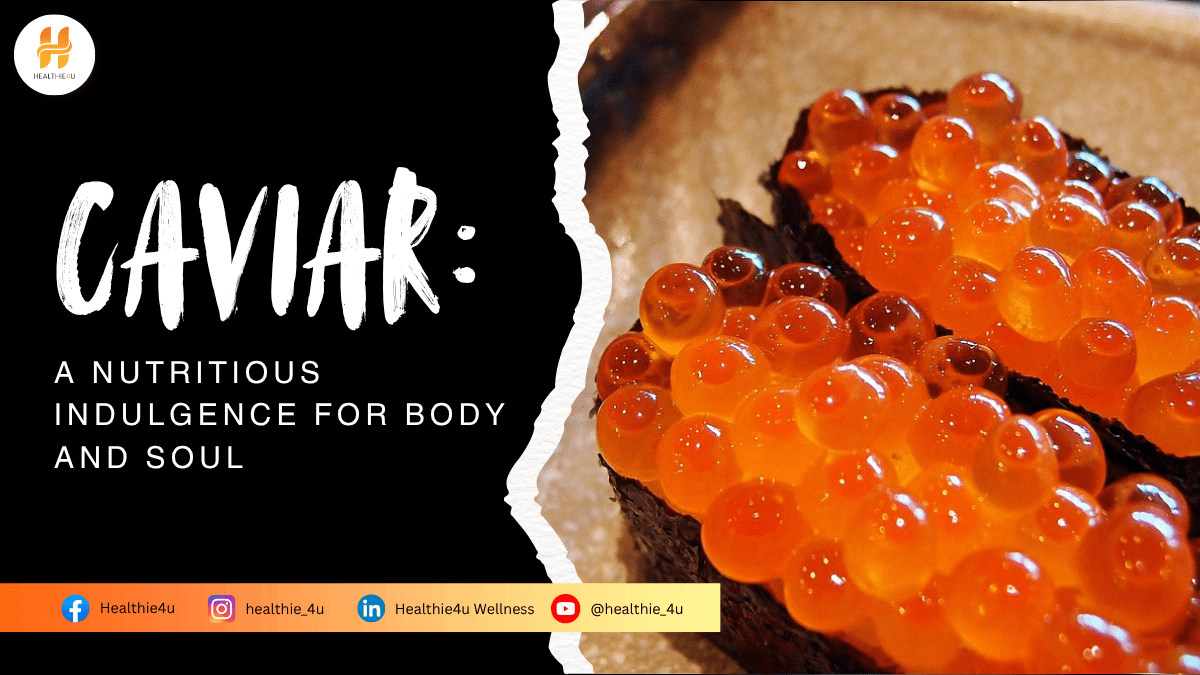

Caviar, made from fish eggs, is often seen as a luxury or gourmet food. While it is famous for its indulgent status, caviar is more than just fancy — it’s packed with essential nutrients, antioxidants, and omega-3 fatty acids that support overall health. Incorporating caviar into your diet in moderation can improve heart health, boost brain function, enhance skin, and even support mood regulation.
Whether you enjoy it as a topping for traditional dishes or as part of modern recipes, caviar offers both taste and nutrition.
Nutritional Profile of Caviar
Caviar is a powerhouse of nutrients that contribute to multiple health benefits. Here’s a closer look at what makes it so beneficial:
1. Omega-3 Fatty Acids
It is rich in omega-3 fatty acids, which are essential for heart and brain health. These healthy fats help:
-
Reduce inflammation in the body
-
Improve cholesterol levels
-
Lower blood pressure
-
Reduce the risk of heart disease and stroke
Omega-3s are also crucial for cognitive function, memory retention, and protecting the nervous system.
2. High-Quality Protein
It provides easily digestible protein that aids muscle repair, supports immune function, and promotes overall cellular health. Protein is an essential building block of the body, and the high bioavailability in it makes it an excellent addition to your diet.
3. Vitamins
It is rich in:
-
Vitamin A: Promotes healthy skin, vision, and immunity
-
Vitamin B12: Supports red blood cell production and nervous system health
-
Vitamin D: Strengthens bones and teeth and improves calcium absorption
These vitamins work together to improve overall vitality and protect against nutrient deficiencies.
4. Minerals
It contains key minerals, including:
-
Calcium: Supports strong bones and teeth
-
Phosphorus: Maintains healthy cell function and energy production
-
Selenium: Acts as an antioxidant, protecting cells from damage
Together, these minerals support heart health, bone strength, and immune function.
5. Antioxidants
It contains selenium, vitamin E, and other antioxidants that protect cells from oxidative stress. By reducing free radicals, these compounds help lower the risk of chronic diseases and maintain overall health.
Health Benefits –
Adding it to your diet offers multiple wellness advantages:
1. Heart Health
The omega-3 fatty acids help:
-
Reduce inflammation in blood vessels
-
Improve blood flow and circulation
-
Lower LDL (bad) cholesterol and increase HDL (good) cholesterol
Regular consumption can support long-term cardiovascular health and reduce the risk of heart-related illnesses.
2. Brain Function
It supports cognitive health by providing essential fatty acids and vitamins. Omega-3s help improve brain function, memory retention, and mental clarity. Vitamin B12 also contributes to a healthy nervous system, supporting mood regulation and preventing neurological disorders.
3. Skin Health
Vitamin A and omega-3 fatty acids work together to maintain healthy, hydrated, and glowing skin. These nutrients reduce inflammation, improve skin cell regeneration, and may even help with acne and dryness.
4. Bone Health
It is rich in calcium, phosphorus, and vitamin D, essential for strong bones and teeth. Regular consumption can help prevent bone-related issues such as osteoporosis and fractures, especially in older adults.
5. Mood and Mental Well-being
The combination of omega-3 fatty acids and vitamin B12 supports mental health. Omega-3s help reduce symptoms of depression and anxiety, while vitamin B12 contributes to neurotransmitter production, helping maintain a positive mood.
6. Immune System Support
It’s antioxidants, vitamins, and minerals work together to strengthen the immune system. Regular intake may improve the body’s ability to fight infections, viruses, and harmful pathogens.
How to Enjoy it : Indian-Inspired and Easy Recipes
It is versatile and can elevate both classic and modern dishes. Here are some creative ways to incorporate it:
1. Classic Caviar Blini
Small, soft Russian pancakes perfectly complement the salty flavor of it. Top blinis with a little cream or yogurt for a sophisticated appetizer.
2. Caviar and Avocado Toast
Spread creamy avocado on whole-grain toast and top with it. This simple yet nutritious snack combines healthy fats, protein, and antioxidants.
3. Caviar-Stuffed Eggs
Deviled eggs with it topping make a luxurious appetizer for parties. The eggs provide protein, while this adds flavor and nutrients.
4. Caviar-Infused Samosas
Elevate traditional Indian samosas by adding it on top. The crispy pastry paired with the rich, savory flavor of it makes a gourmet treat.
5. Caviar Raita with Pulao
Mix it into yogurt to make a refreshing raita. Pair it with pulao or biryani for a cooling, flavorful side dish.
6. Caviar Sushi Rolls
Combine it with avocado, cucumber, and sushi rice in seaweed wraps for a nutrient-dense, luxurious meal.
Moderation is Key
While caviar is nutritious, it should be consumed in moderation:
-
Sodium Content: It can be high in salt, so keep portions small.
-
Allergies: People allergic to seafood should avoid it.
-
Caloric Density: Though healthy, caviar is calorie-dense; balance it with other meals.
Conclusion-
Caviar is more than a luxury indulgence — it’s a nutrient-dense superfood that supports heart health, brain function, skin vitality, and overall immunity. With its unique combination of omega-3 fatty acids, protein, vitamins, and minerals, caviar can be seamlessly incorporated into a variety of dishes, from Indian-inspired recipes like raita and samosas to international favorites like blinis and sushi.
Moderation is key, but regular consumption as part of a balanced diet can help improve wellness, support mental clarity, and even boost mood. Using the Healthie4U app, you can track caviar intake alongside hydration and functional beverages, ensuring your diet is both delicious and optimized for health.
Start adding caviar to your meals today and enjoy the luxury and health benefits it brings in every bite.
Caviar is a delicious source of non-vegetarian protein, packed with nutrients and flavor. But if you’re looking for healthy vegetarian protein alternatives, we’ve got you covered—read our blog to explore the best veg protein options also – Plant-Based Proteins