
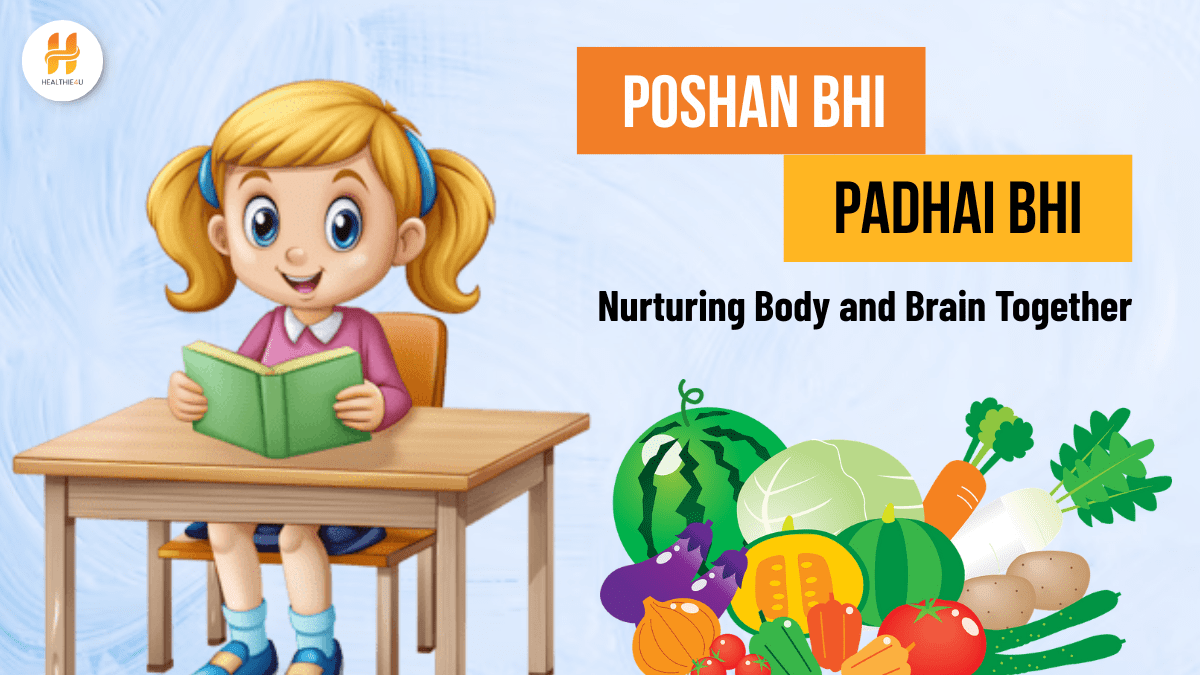
Early childhood nutrition is the foundation for a child’s lifelong health, growth, and cognitive development. The first eight years (0–8 years) are crucial for both physical and mental growth. Proper nutrition during this period directly influences learning, memory, attention, and overall school readiness. Initiatives like Poshan Bhi, Padhai Bhi emphasize combining nutrition with early learning to ensure holistic development.
1. The Role of Breastfeeding in Early Childhood Nutrition
Breastfeeding provides the ideal start for a child’s nutrition. Exclusive breastfeeding in the first six months delivers essential fatty acids like EPA, DHA, and ALA, which are crucial for brain development. These nutrients strengthen neural connections and immunity, while the bond between mother and child enhances emotional and social development. Studies show breastfed children often perform better in cognitive tasks later in life.
2. Complementary Feeding: Introducing Solid Foods for Growth
After six months, complementary feeding becomes critical for early childhood nutrition. Introducing nutrient-dense foods such as:
-
Mashed fruits and vegetables
-
Porridges and soft cereals
-
Crumbled paneer or lentils
These foods provide essential vitamins, minerals, and proteins needed for cognitive development, curiosity, and active learning. Timing and diversity of foods support brain growth, energy levels, and curiosity.
3. Balanced Meals: Proteins, Carbs, and Healthy Fats
A balanced diet is key in early childhood nutrition. Meals should include:
-
Proteins: Eggs, dal, paneer, and lentils support neural growth and muscle development.
-
Carbohydrates: Rice, roti, and oats provide steady energy for learning.
-
Healthy Fats: Nuts, seeds, and ghee help form brain cells.
-
Vitamins & Minerals: Iron, zinc, iodine, Vitamin A, and omega-3 fatty acids enhance memory, alertness, and immunity.
Iron prevents anemia and keeps children focused, iodine aids brain development, and omega-3s enhance neural connectivity.
4. Family Meals and Parental Involvement
Family meals are an essential component of early childhood nutrition. Parents can:
-
Model healthy eating behaviors
-
Encourage children to try new foods
-
Use mealtime for conversation, storytelling, and teaching manners
Children who participate in family meals develop better social skills, cognitive abilities, and emotional well-being. Parental engagement helps children internalize healthy eating habits and lifelong learning.
5. Recognizing Malnutrition and Its Consequences
Poor nutrition in early childhood can slow mental development, reduce concentration, and negatively impact learning. Malnutrition may lead to:
-
Stunted growth
-
Fatigue and low energy
-
Poor school performance
Early detection through growth monitoring, regular health check-ups, and support from schools or Anganwadi centers ensures timely interventions. This reinforces the importance of balanced meals in early childhood nutrition.
6. Community Support through Anganwadi Centers
Anganwadi centers play a vital role in promoting early childhood nutrition and education. They provide:
-
Nutritious meals
-
Vaccinations and health check-ups
-
Early learning and play-based activities
By combining health and education, these centers help children develop physically and mentally, ensuring a strong foundation for lifelong success.
7. Fun Ways to Teach Healthy Eating Habits
Children learn best when nutrition education is fun. Incorporate activities like:
-
Simple cooking projects
-
Gardening and growing vegetables
-
Nutrition-based games, songs, and art projects
Interactive methods reinforce the value of healthy eating and early childhood nutrition while keeping children engaged.
8. Key Nutrients that Support Brain Development
Certain nutrients in early childhood nutrition are particularly important for learning:
-
Iron: Prevents anemia and improves focus
-
Iodine: Essential for brain growth
-
Omega-3 fatty acids: Improve memory and neural connections
-
Vitamin A & Zinc: Enhance immunity and overall health
Including these nutrients in daily meals can help optimize cognitive development, learning ability, and school readiness.
9. Linking Nutrition with Learning Programs
Programs like Poshan Bhi, Padhai Bhi emphasize the connection between nutrition and learning. Children who consume nutrient-rich meals are more attentive, retain information better, and participate actively in school. Combining meals with structured learning activities promotes overall early childhood development.
10. Tips for Parents to Support Early Childhood Nutrition
Parents can take practical steps to reinforce healthy eating habits:
-
Prepare meals with a variety of colors and textures
-
Encourage children to drink water and stay hydrated
-
Offer fruits and vegetables as snacks
-
Limit sugary drinks and junk food
-
Make mealtime fun with creative presentations
Even small steps toward balanced meals contribute significantly to cognitive development and healthy growth.
Conclusion
Early childhood nutrition is not just about filling tummies; it’s about fostering brain development, learning skills, and lifelong health. From breastfeeding and complementary feeding to balanced meals, family involvement, and community support, every step matters.
By prioritizing early childhood nutrition, parents and caregivers can help children develop strong cognitive skills, emotional intelligence, and physical health. Interactive activities, fun learning, and nutrient-rich foods ensure children thrive both mentally and physically.
Check out our blog “5 Rainy Day Recipes Kids Will Love The Most”, which includes easy, healthy, and delicious meal ideas that children can enjoy even on gloomy, rainy days. These recipes are packed with essential nutrients, supporting both growth and learning, while keeping mealtime exciting and engaging.
Parents can use these recipes along with the Healthie4U app to track what their child eats, plan balanced meals, and ensure that even fun treats contribute to their nutritional needs.