
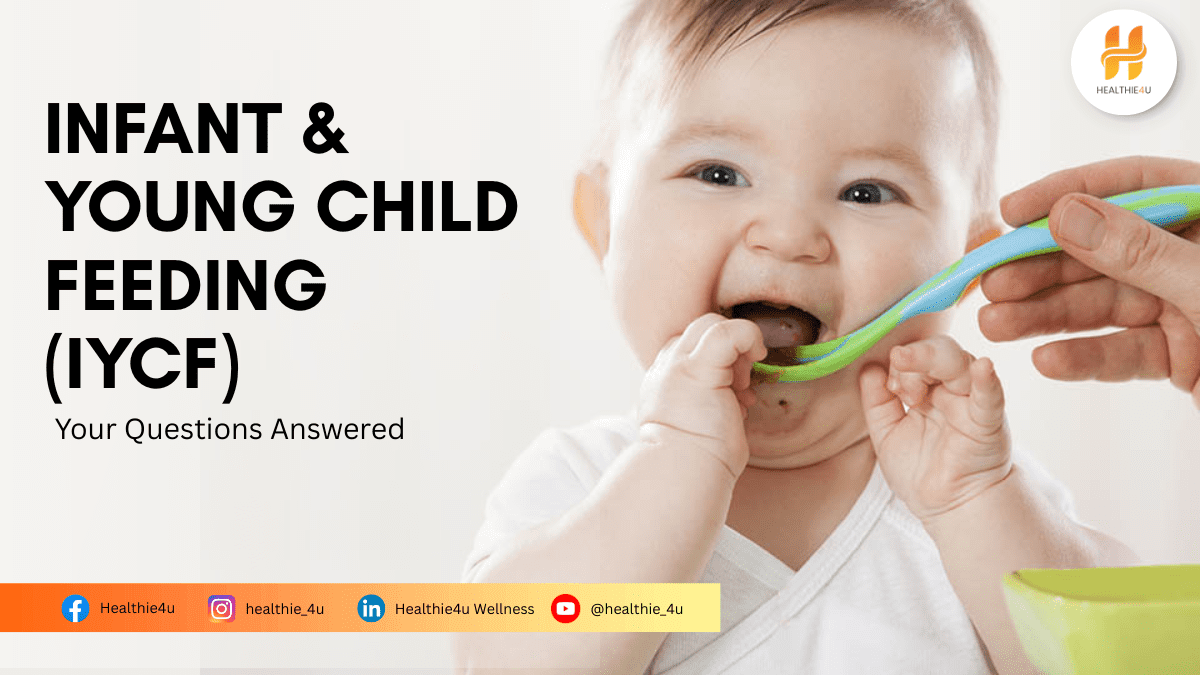
Infant and Young Child Feeding: A Complete Guide for Parents (0–2 Years)
Infant and Young Child Feeding is one of the most important responsibilities for new parents. The first two years of life are a crucial period for building a child’s physical strength, brain development, immunity, behavior, and emotional bonding. What babies eat during this stage shapes their health for the rest of their lives. That’s why following the right Infant and Young Child Feeding practices can make a life-changing difference.
Unfortunately, many new parents feel confused about when to start breastfeeding, when to introduce solids, what foods are safe, and how often to feed. In this guide, we simplify Infant and Young Child Feeding so every parent can confidently support their baby’s nutrition.
Why Infant and Young Child Feeding Matters
During the first 1,000 days (from pregnancy to age 2), the baby’s brain grows rapidly, forming millions of new neural connections every second. Proper nutrition during this time directly impacts learning ability, memory, school performance, immunity, and emotional behavior.
Research shows that poor Infant and Young Child Feeding practices can lead to:
-
Stunted growth
-
Weak immunity and frequent infections
-
Poor cognitive development
-
Learning difficulties
-
Increased risk of obesity and chronic diseases later in life
This is why global health experts emphasize correct Infant and Young Child Feeding practices from birth onward.
When Should Breastfeeding Begin?
Breastfeeding should start within the first hour after birth. The first milk, called colostrum, is golden-yellow and thick — often called baby’s first vaccine. It is rich in antibodies that protect against infections and help build lifelong immunity.
Starting breastfeeding early improves baby survival, reduces sickness, and strengthens emotional bonding.
Exclusive Breastfeeding for the First 6 Months
A key rule of IYCF is exclusive breastfeeding for the first six months, meaning:
❌ No water
❌ No honey
❌ No animal milk
❌ No juices
✔ Only breast milk
Breast milk contains all the hydration and nutrients a baby needs — even in the summer.
Benefits of Exclusive Breastfeeding
Following IYCF guidelines, exclusive breastfeeding:
-
Protects from diarrhea, pneumonia, and infections
-
Strengthens brain development
-
Reduces risk of obesity and allergies later in life
-
Helps the mother recover faster
-
Reduces the risk of breast and ovarian cancer in mothers
-
Supports emotional bonding between mother and baby
When to Start Complementary Feeding
At 6 months, babies need additional nutrition beyond breast milk. This is when complementary feeding begins — soft, mashed foods along with continued breastfeeding.
Healthy First Foods for Babies
Start small with soft, mashed foods such as:
-
Mashed banana or apple puree
-
Mashed potato, pumpkin, or carrot
-
Dal water with mashed rice
-
Soft khichdi (dal + rice)
-
Boiled & mashed vegetables
Begin with 2–3 spoonfuls once or twice daily, then increase as tolerance develops.
How Often to Feed Your Baby?
Recommended IYCF Meal Schedule
| Age | Frequency |
|---|---|
| 6–8 months | 2–3 small meals + breastfeeding |
| 9–11 months | 3–4 meals + 1–2 nutritional snacks + breastfeeding |
| 12–23 months | 3–4 family meals + 2 snacks + breastfeeding |
By age 1 year, the child should eat most normal family foods.
How to Ensure Enough Nutrition?
Successful IYCF depends on offering variety and nutrition-rich foods:
Key Tips
-
Include grains, pulses, dairy, fruits, vegetables, and eggs
-
Use healthy fats like ghee, coconut oil, or olive oil
-
Increase texture gradually from puree → mashed → soft pieces
-
Avoid junk foods, sugary drinks, salty snacks
-
Practice responsive feeding (don’t force; stop when full)
-
Maintain hygiene and avoid bottle feeding
Common Challenges
| Challenge | Solution |
|---|---|
| Low milk supply | Feed more frequently + correct latching |
| Returning to work | Express and store breast milk |
| Baby refusing food | Be patient; try again 8–10 times |
| Illness | Continue breastfeeding, small frequent meals |
| Confusing cultural advice | Avoid honey, ghutti, and early cow’s milk |
Who Should Support the Mother?
Healthy IYCF is a family responsibility, not just the mother’s.
✔ Fathers — help and encourage
✔ Grandparents — support with love & updated knowledge
✔ Health workers — provide reliable IYCF guidance
Final Takeaway
Healthy Infant and Young Child Feeding isn’t complicated. Follow these golden rules:
Golden IYCF Rules
-
Begin breastfeeding within 1 hour of birth
-
Exclusive breastfeeding for 6 months
-
Start complementary feeding at 6 months
-
Continue breastfeeding up to 2 years or longer
-
Offer safe, clean, nutritious family foods
Every spoon of healthy food builds a stronger future. What you feed today shapes tomorrow.
To make Infant and Young Child Feeding easier to follow, track meals, set feeding reminders, and explore nutrition guidance for babies:
👉 Download the Healthie4U App today.
If your child loves trying new foods, also check out our fun and healthy post: “5 Rainy Day Recipes Kids Will Love the Most” — perfect baby-friendly meals with exciting flavors!