
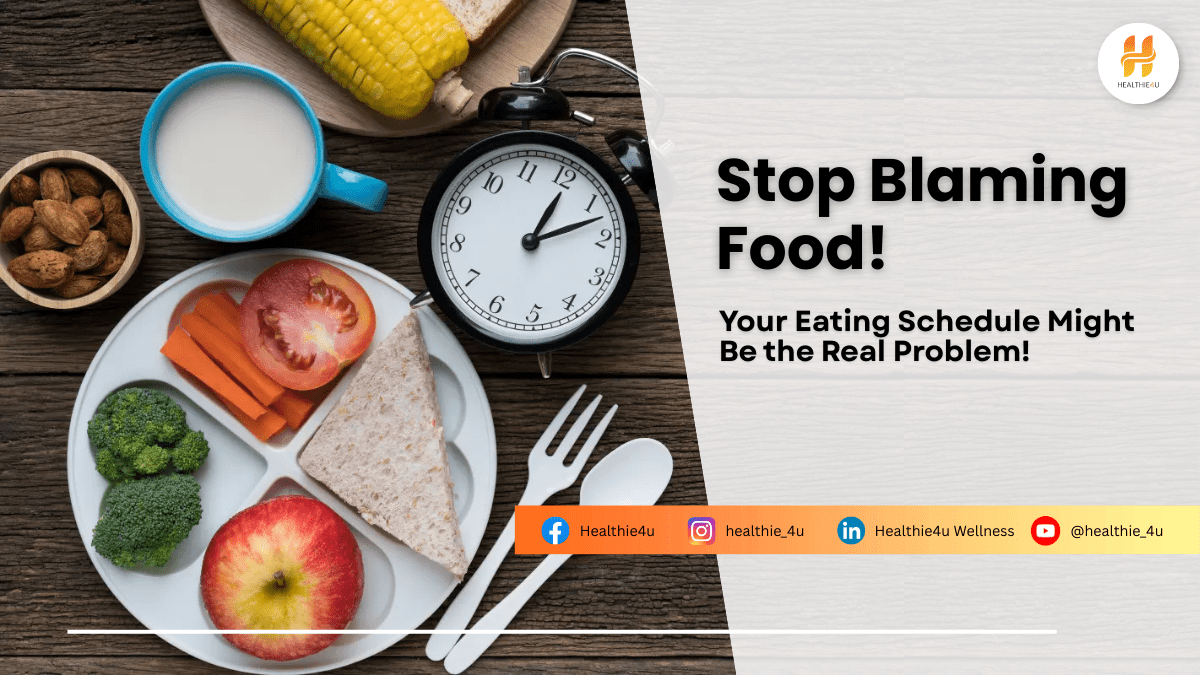

Meal Timing: Why When You Eat Matters for Digestion, Weight Management & Better Sleep
Meal Timing plays a crucial role in our overall health. It’s not just what we eat that affects digestion, metabolism, and weight — when we eat matters just as much. The human body operates on a natural 24-hour cycle, known as the circadian rhythm, which influences sleep, hormones, hunger, metabolism, and energy balance. When our meal timing aligns with this internal clock, the body functions more efficiently. But when we ignore it—especially through late-night eating or irregular schedules—it disrupts metabolic health and increases the risk of chronic disease.
In a fast-paced world where people often skip meals, eat while distracted, work night shifts, or rely on late dinners due to busy routines, understanding Meal Timing is more essential than ever.
1. The Science Behind Meal Timing & Circadian Rhythm
Our body’s circadian rhythm controls how we digest food, convert it into energy, and burn calories. This internal clock is strongest during daylight hours, which means our metabolism performs best earlier in the day.
When we follow proper meal timing, the body breaks down food more efficiently, keeps energy levels stable, and prevents unnecessary fat storage. But eating late at night—when the circadian rhythm slows—leads to poor digestion, higher blood sugar, and weight gain.
Key Takeaway:
Meal Timing supports the body’s natural rhythm, ensuring better nutrient absorption, metabolic function, and hormonal balance.
2. Meal Timing for Weight Management
Research shows that Meal Timing plays a major role in weight management. People who consume larger meals earlier in the day tend to lose more weight compared to those who eat heavily at night.
When you eat earlier, your body has more time to burn the calories for fuel. But eating late means excess calories are stored as fat because metabolism is slow.
Healthy Meal Timing Pattern
| Time | Meal Guidelines |
|---|---|
| 7 AM – 10 AM | Breakfast (most important meal for metabolism) |
| 12 PM – 2 PM | Largest meal of the day (lunch) |
| 6 PM – 8 PM | Light dinner |
| 3 hours before bed | Avoid eating to support better sleep & digestion |
Tip:
Make breakfast heavier than dinner and eat your last meal when the sun is still out.
3. Impact of Late-Night Eating on Health
Eating late at night disrupts the circadian rhythm and prevents the body from resting and repairing. Since metabolism slows,
food stays longer in the stomach, causing discomfort, acidity, poor sleep, and increased fat storage.
❌ Late-night eating increases risk of:
-
Weight gain & belly fat
-
Indigestion, acidity & heartburn
-
Increased blood sugar spikes
-
Higher stress hormones
-
Greater chances of diabetes & heart disease
Fact:
People who eat late consume more calories overall and burn fewer at night — leading to long-term health issues.
4. Meal Timing for Better Sleep & Digestion
Good digestion and good sleep are deeply connected to Meal Timing. Eating too close to bedtime forces the digestive system to stay active when the body wants to rest.
Best rules:
➡️ Finish dinner 2–3 hours before bedtime
This helps:
✨ Prevent acidity
✨ Improve deep sleep
✨ Reduce bloating & heaviness
✨ Support metabolism & morning energy
5. Meal Timing for Shift Workers & Irregular Schedules
People who work at night or rotating shifts often eat at unusual times, confusing their internal clock. They experience irregular hunger patterns, poor digestion, and fatigue.
🟣 Tips for Meal Timing for Shift Workers:
-
Eat small planned meals rather than large heavy ones
-
Avoid junk food and sugary snacks during late hours
-
Stay hydrated throughout the shift
-
Choose light foods if eating before sleep
-
Try to follow a fixed schedule even on off days
6. Personalizing it, Based on Chronotype
Different people function best at different times — called chronotypes. Understanding whether you’re a morning person or night person can help optimize it.
| Chronotype | Best Meal Strategy |
|---|---|
| Early Bird | Breakfast-rich diet works best |
| Night Owl | Aim to shift gradually earlier, avoid eating after 9 PM |
In Conclusion
Meal Timing is a powerful tool for improving health. When we align our eating pattern with the body’s natural circadian rhythm, we can support digestion, weight control, mental clarity, energy levels, and sleep quality.
Final message:
It’s not just what you eat — it’s WHEN you eat that shapes your health. Small meal timing adjustments can transform long-term well-being.
Want to build a healthier routine with the right Meal Timing? Download the Healthie4U App for personalized diet plans, smart meal reminders, and expert support—designed to improve digestion, weight management, and sleep naturally.
Now that you understand how meal timing affects digestion, metabolism, and weight, don’t miss our blog: Top 3 Reasons You’re Not Losing Weight—Nutrition Mistakes to Avoid. It reveals the common diet errors that might be stopping your progress.