
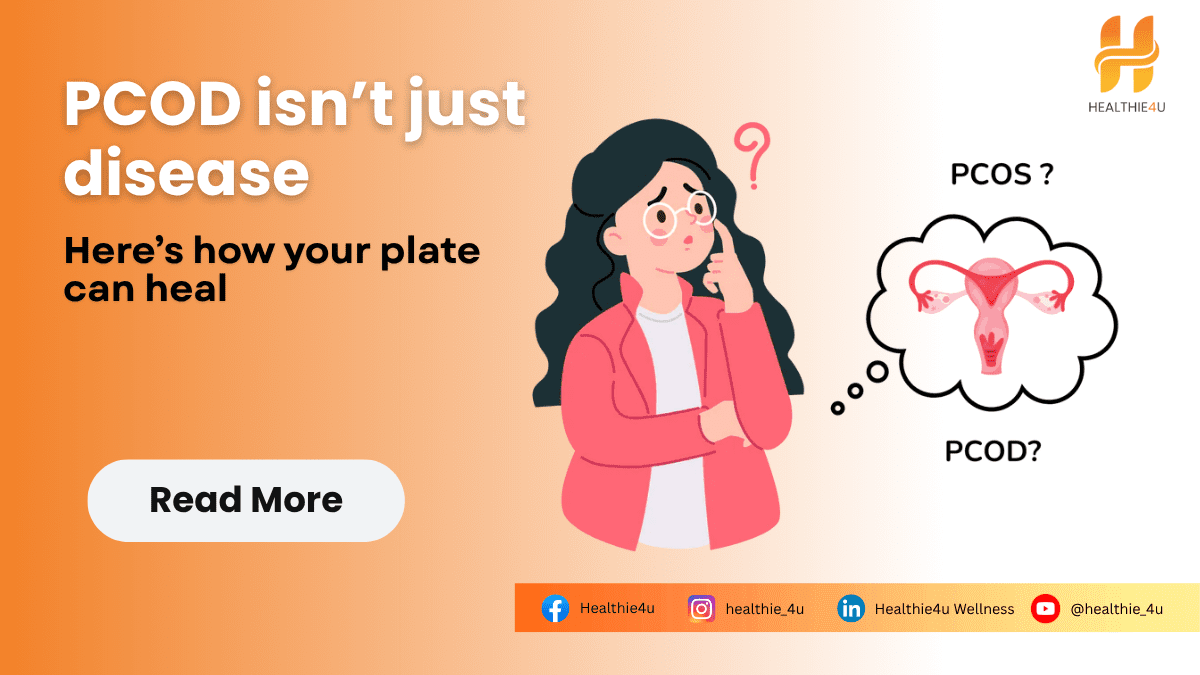
PCOD Explained: Causes, Symptoms & The Powerful Role of Nutrition in Healing
Polycystic Ovarian Disease (PCOD) is one of the most common hormonal disorders affecting women of reproductive age. Today, nearly 1 in 5 women in India face PCOD or its more severe form, PCOS (Polycystic Ovary Syndrome). Despite being so common, it is often misunderstood, underdiagnosed, or ignored until complications arise. Understanding PCOD, its causes, symptoms, and effective nutritional and lifestyle management can significantly improve a woman’s health, fertility, and emotional wellbeing.
What is PCOD?
PCOD is a condition in which a woman’s ovaries produce immature or partially matured eggs in large numbers, which over time turn into small cysts. This disrupts normal hormone levels, leading to excessive production of androgens (male hormones). As a result, multiple body functions including menstrual cycles, weight balance, ovulation, skin health, and fertility get affected.
Women dealing with PCOD often experience:
Common Symptoms
-
Irregular or absent periods
-
Acne or oily skin
-
Unwanted facial and body hair (hirsutism)
-
Thinning scalp hair or hair fall
-
Weight gain or difficulty losing weight
-
Infertility or issues with ovulation
-
Dark patches on the neck or underarms (acanthosis nigricans)
-
Mood swings, anxiety, or stress
-
Fatigue & poor sleep
While symptoms vary from person to person, even mild hormonal imbalance can affect daily life, emotional health, and confidence.
Causes –
The exact cause is still unclear, but research suggests multiple factors contribute to hormone imbalance. These include:
1. Insulin Resistance
Most women with PCOD struggle with insulin resistance, which means the body doesn’t respond to insulin properly. This causes excess insulin production, leading the ovaries to produce more androgens.
2. Genetic Factors
PCOD often runs in families. If your mother or sister has PCOD or diabetes, your risk is higher.
3. Hormonal Imbalance
Abnormal levels of hormones like insulin, estrogen, progesterone, and testosterone disrupt ovulation and lead to cyst development.
4. Unhealthy Lifestyle
Poor eating habits, lack of exercise, chronic stress, and inadequate sleep worsen hormonal imbalance.
5. Chronic Inflammation
Increased inflammation in the body is linked to obesity, hormonal imbalance, and insulin resistance.
Why PCOD Requires Immediate Attention
PCOD is not limited to reproductive concerns. If unmanaged, it can lead to serious long-term health risks such as:
-
Type 2 diabetes
-
High blood pressure & cholesterol
-
Infertility
-
Sleep apnea
-
Fatty liver
-
Heart disease
-
Depression & anxiety
-
Endometrial cancer
This makes early diagnosis and lifestyle modification essential for prevention and recovery.
Nutrition: How Food Can Heal
Scientific research shows that the right nutrition can reduce PCOD symptoms by up to 70% and restore hormonal balance. A balanced eating pattern helps regulate insulin, reduce inflammation, improve gut health, and support weight management.
Studies indicate that a diet consisting of 40% carbohydrates, 30% protein, and 30% healthy fats, along with regular physical activity, significantly improves PCOS symptoms and menstrual regularity.
The Healing Plate: What Should You Really Eat?
A step-by-step guide to building a balanced meal:
🍃 ½ Plate Vegetables (Non-starchy & fiber-rich)
Improve digestion, reduce inflammation & stabilize sugar levels.
Examples:
Spinach, broccoli, zucchini, bottle gourd, capsicum, cauliflower, cucumber, beans
🍗 ¼ Plate Protein
Supports hormones, reduces carb cravings, and helps weight control.
Examples:
Chicken, eggs, paneer, fish, sprouts, lentils, Greek yogurt, tofu
🍚 ¼ Plate Low-GI Carbohydrates
Provide stable energy without spiking insulin.
Examples:
Sweet potato, quinoa, brown rice, oats, millets, dals
🥑 Healthy Fats (Small Portion)
Support hormonal health & reduce inflammation.
Examples:
Avocado, ghee, olive oil, chia seeds, flax seeds, nuts, pumpkin seeds
✨ Anti-Inflammatory Add-ons
Boost metabolic health and help reduce PCOD symptoms naturally.
Examples:
Turmeric, ginger, cinnamon, green tea, berries, tulsi, jeera water
Why This PCOD Plate Works
-
Lowers insulin resistance
-
Reduces excess androgen production
-
Improves ovulation & menstrual cycle
-
Supports fertility
-
Helps healthy weight loss
-
Boosts energy, skin & hair health
-
Reduces inflammation & bloating
Bonus Lifestyle Tips
✔ Eat regularly, don’t skip meals
Skipping meals causes sudden hunger and overeating later.
✔ Move after meals
A 10–15 minute walk helps regulate insulin and digestion.
✔ Prioritize sleep
7–8 hours supports hormone balance and reduces cortisol.
✔ Hydrate well
Drink 2.5–3 liters daily to support metabolic function.
✔ Reduce sugar & processed foods
Avoid bakery items, sodas, namkeen, packaged snacks, white bread.
✔ Manage stress
Try yoga, meditation, reading, or deep breathing exercises.
PCOD Is Treatable—Consistency Is Key
Healing does not happen overnight, but with awareness and the right nutrition strategy, PCOD symptoms can be reversed naturally. Many women have restored their cycles, improved fertility, and stopped medication through sustainable nutritional changes.
Want a personalized PCOD diet plan? Download the Healthie4U App and get customized meal plans, progress tracking, and expert guidance designed to balance hormones naturally.
If you found this helpful, don’t miss our blog “Managing PCOS and Weight Gain: The Crucial Role of Diet” to understand how the right nutrition can support weight balance and hormone health.