
Plant-Based Proteins: A Powerful Source for Better Health & Sustainable Nutrition
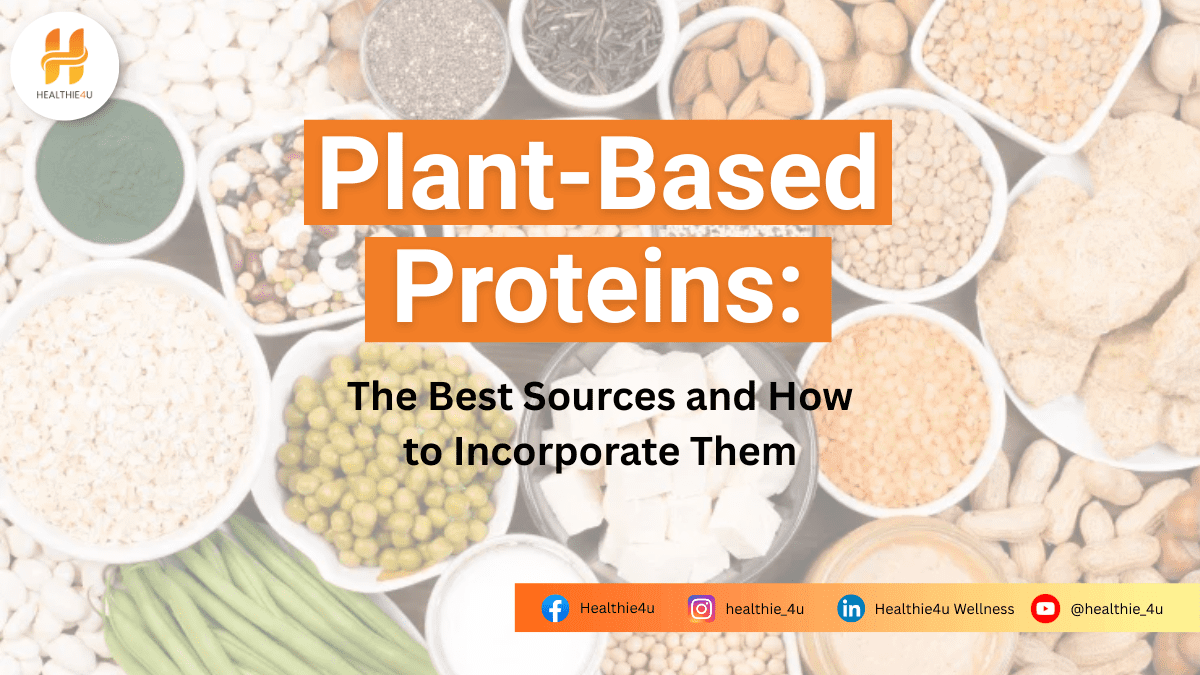
Plant-based proteins are becoming increasingly popular around the world as people shift toward healthier and more environmentally friendly eating habits. These proteins derived from plant sources rather than animal products such as meat, poultry, fish, or eggs. These proteins come from foods like beans, lentils, nuts, seeds, vegetables, soy products, and modern plant-based meat alternatives.
Plant-based proteins play a crucial role in the body. They help repair and build cells, support the immune system, create enzymes and hormones, and maintain strong muscles and tissues. Whether you follow a vegetarian, vegan, flexitarian, or simply a health-conscious diet, incorporating plant-based proteins into your meals ensures balanced nutrition and overall well-being.
Today, more people are choosing plant-based proteins not only for their health benefits but also because they support ethical food systems and environmental sustainability. Compared to animal farming, producing it requires fewer natural resources such as land, water, and energy, and generates lower greenhouse gas emissions—making it a smart choice for both personal health and the planet.
Importance of Essential Amino Acids
Proteins are made up of amino acids, and nine of them are called essential amino acids, which the body cannot produce naturally. Animal proteins typically contain all nine essential amino acids, which is why they are known as complete proteins. However, many of these are incomplete, meaning they may lack one or more essential amino acids.
The good news is that you can easily meet all your essential amino acid needs by combining different plant-based proteins throughout the day. For example:
-
Rice + Beans
-
Hummus + Whole Wheat Pita
-
Peanut Butter + Whole Grain Bread
-
Lentils + Nuts & Seeds
Eating a variety of it ensures your body receives all the necessary building blocks for energy, muscle growth, metabolism, and immune strength.
Health Benefits of Plant-Based Proteins
Switching to plant-based proteins provides numerous long-term benefits for physical and mental health. Unlike animal proteins, which may contain high levels of cholesterol and saturated fats, plant-based proteins are rich in fiber, antioxidants, vitamins, and minerals.
1. Supports Heart Health
Diets rich in plant-based proteins are associated with lower cholesterol levels, improved blood pressure, and reduced inflammation. The fiber in plant foods helps remove excess cholesterol from the body, reducing the risk of heart disease and stroke.
2. Helps Improve Digestion & Gut Health
Most plant-based proteins contain high fiber, which supports smooth digestion, prevents constipation, and balances gut bacteria. A healthy gut is linked to better immunity, metabolism, and mental well-being.
3. Aids in Weight Management
Because plant-based proteins are low in calories and high in fiber, they help increase satiety and control appetite. This reduces overeating and supports healthy, sustainable weight loss.
4. Reduces Inflammation
Antioxidants found in plant-based proteins protect the cells from oxidative stress and reduce chronic inflammation. This may help prevent diseases like diabetes, cancer, and arthritis.
5. Strengthens the Immune System
Many plant-based proteins contain vitamins such as vitamin C, vitamin E, zinc, iron, and magnesium—all crucial for fighting infections and improving immune defense.
6. Beneficial for Diabetes Management
High-fiber foods slow down sugar absorption, helping to maintain steady blood glucose levels.
7. Eco-Friendly & Sustainable Choice
Consuming plant-based proteins reduces environmental pressure. Producing plant foods requires significantly less land and water, making it a sustainable long-term solution for global nutrition.
How to Add Plant-Based Proteins to Your Everyday Diet
Incorporating plant-based proteins into meals can be simple, enjoyable, and versatile. Here are some easy and delicious options:
Legumes
Include lentils, beans, chickpeas, and black-eyed peas. Ideal for soups, salads, hummus, curries, cutlets, and wraps.
Nuts & Seeds
Almonds, walnuts, pumpkin seeds, chia seeds, and hemp seeds are rich in protein and healthy fats. Add them to smoothies, desserts, breakfast bowls, or snack trays.
Whole Grains
Quinoa, oats, millets, barley, and brown rice offer high levels of plant-based proteins and long-lasting energy.
Vegetables
Broccoli, spinach, sweet corn, kale, peas, and Brussels sprouts—add them to stir-fries, soups, or smoothies.
Soy-Based Protein Sources
Tofu, tempeh, soy milk, and edamame are excellent options, rich in protein and calcium.
Plant-Based Meat Alternatives
Items made from pea protein, jackfruit, mushrooms, or textured vegetable protein (TVP) can replicate the texture of meat while being healthier.
Tips for Transitioning to a Plant-Based Diet
-
Start by replacing one meal a day with it
-
Plan meals to include a variety of protein sources
-
Read food labels when buying packaged vegetarian products
-
Increase fruit and vegetable intake for balanced nutrition
-
Stay hydrated and maintain regular exercise
Foods Rich in Plant-Based Proteins
| Category | Food Examples |
|---|---|
| Legumes | Chickpeas, Lentils, Kidney Beans, Black Beans |
| Nuts & Seeds | Almonds, Pistachios, Chia seeds, Flax seeds, Pumpkin seeds |
| Whole Grains | Quinoa, Oats, Brown Rice, Millets |
| Soy Products | Tofu, Tempeh, Edamame, Soy milk |
| Vegetables | Peas, Spinach, Broccoli |
| Meat Alternatives | Jackfruit, Pea Protein |
Conclusion
Plant-based proteins offer remarkable benefits for improving heart health, digestion, weight management, immunity, and sustainability. Including a variety of it in your diet ensures complete nutrition and supports both personal and environmental well-being.
Whether you enjoy quinoa bowls, chickpea curries, tofu stir-fries, or nut-based snacks, plant-based proteins provide delicious and nutrient-dense choices that promote a healthier lifestyle. Start exploring creative recipes and experience the power of a plant-focused diet.
Looking to track your protein intake and build a healthier lifestyle? Monitor your nutrition, hydration, and meal plans easily through the Healthie4U app — download now at Healthie4U App
Also, check out our blog on “Peanut Butter – Good or Bad?” to discover whether it truly supports your fitness goals.