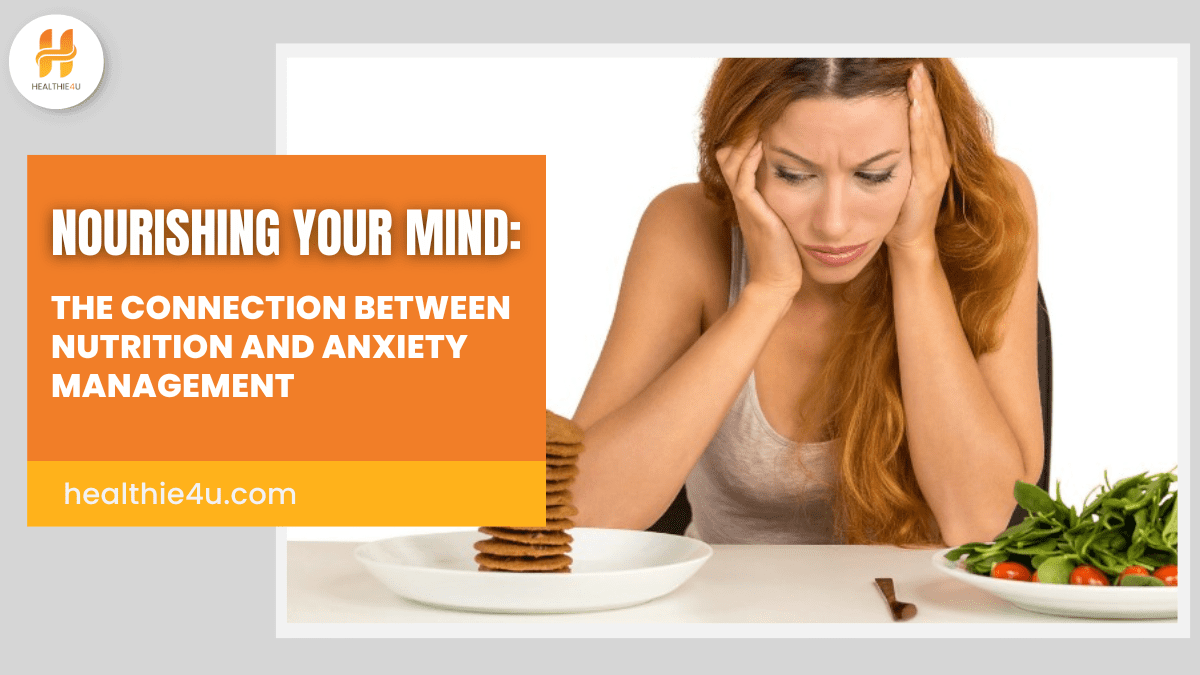

Anxiety is a natural human response that happens when we feel threatened, stressed, or worried. It can feel like fear or nervousness and may lead to physical changes such as sweating, increased heart rate, shaky hands, tightness in the chest, or trouble concentrating. Experiencing anxiety occasionally is normal — for example before exams, presentations, or meeting new people. However, when these feelings become persistent, intense, and interfere with daily life, it may be considered an anxiety disorder.
People living with anxiety may avoid social events, new experiences, or situations that trigger discomfort. For many, anxiety can start early — during childhood or teenage years — and may continue into adulthood if not addressed. Common forms of anxiety include:
-
Generalized Anxiety Disorder (GAD) — Constant worry about various aspects of life
-
Social Anxiety Disorder — Fear of social interactions or being judged
-
Panic Disorder — Sudden episodes of intense fear or panic attacks
-
Specific Phobias — Extreme fear of objects or situations (like heights, flying, elevators)
-
Separation Anxiety — Fear of losing or being separated from loved ones
It’s possible to experience more than one anxiety disorder at the same time. While therapy and medical support are important, lifestyle choices—especially nutrition—also play a key role in managing anxiety naturally.
With the Healthie4U App, you can track your daily nutrition, water intake, mood patterns, and physical activity — helping you manage anxiety holistically through balanced lifestyle changes and personalised guidance.
How Diet Influences Anxiety & Mental Health
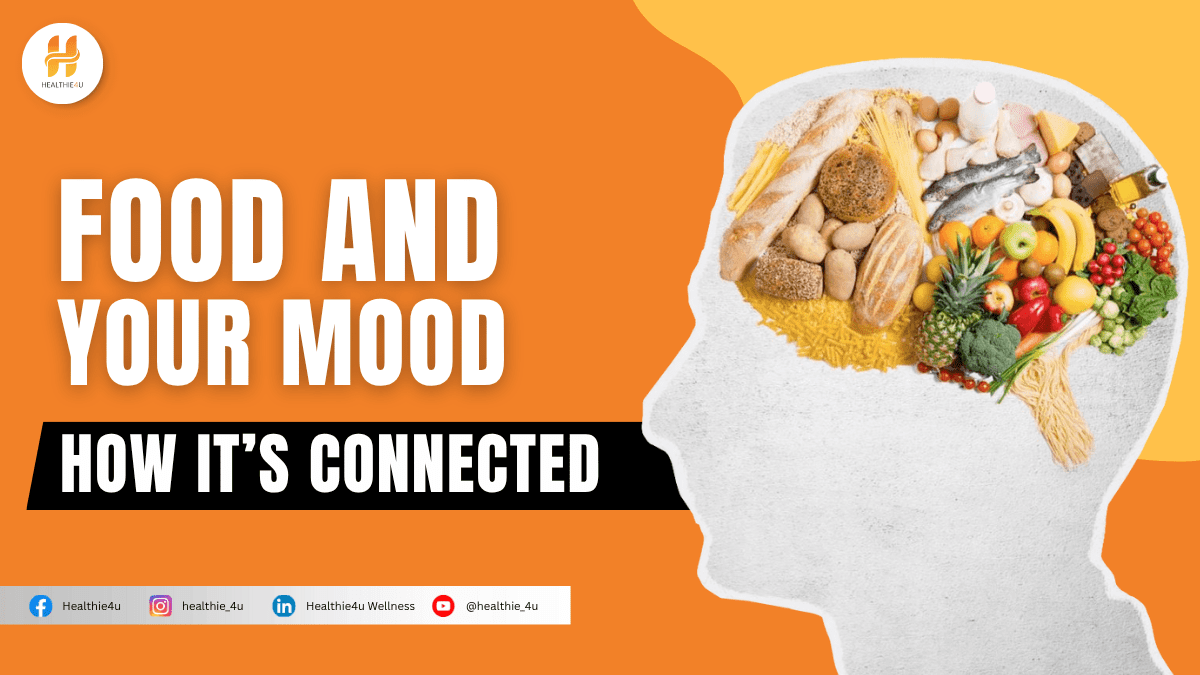
The food we eat doesn’t just fuel our bodies — it fuels the brain too. Nutritional studies show that there is no single magic food to cure it, but a balanced diet rich in vitamins, minerals, healthy fats, and antioxidants can significantly improve emotional well-being, reduce stress, and support better brain function.
A nutrient-rich diet can:
-
Improve memory and concentration
-
Stabilize mood and emotional balance
-
Reduce inflammation that impacts brain health
-
Support hormone regulation, including serotonin & dopamine
-
Enhance overall mental clarity and energy
On the other hand, diets high in sugar, caffeine, processed foods, artificial preservatives, and fried snacks are linked to:
-
Mood swings
-
Irritability
-
Sleep disturbances
-
Higher risk of anxiety & depression
-
Fatigue and brain fog
Researchers found that people who follow healthier eating patterns like the Mediterranean diet, which includes whole grains, fruits, vegetables, lean protein, and omega-3 fats, often show lower symptoms of anxiety and depression.
Important Vitamins & Minerals That Help Reduce Anxiety
Certain nutrients play a major role in neurotransmitter production, mood regulation, and stress management. Here are essential nutrients proven to help:
Vitamin B6, B9 & B12
These B vitamins help produce serotonin, a neurotransmitter responsible for happiness, emotional balance, and calmness. Low levels of B vitamins have been linked to depression and anxiety.
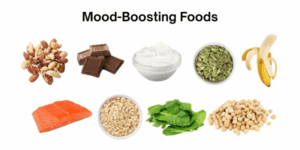
Food sources: eggs, milk, bananas, chickpeas, spinach, fortified cereals, meat, lentils, peanuts, soy products.
Omega-3 Fatty Acids
Omega-3 fatty acids reduce inflammation, improve brain function, balance mood, and may lower it’s symptoms. Research shows that people with low omega-3 intake often experience more stress and emotional instability.
Food sources: salmon, sardines, mackerel, walnuts, flaxseeds, chia seeds, tuna, supplements like fish oil.
Magnesium
Magnesium helps regulate cortisol, the body’s stress hormone. It relaxes the nervous system and improves sleep quality — one of the most important components in reducing it.
Food sources: almonds, spinach, pumpkin seeds, cashews, whole grains, dark chocolate, bananas.
Iron
Low iron levels can cause weakness, fatigue, mood swings, and anxiety. Balanced iron levels support oxygen flow in the brain and stable energy levels.
Food sources: leafy greens, beans, eggs, meats, raisins, chickpeas, jaggery.
Zinc
Zinc plays a crucial role in emotional well-being and neurotransmitter regulation. Studies suggest zinc deficiency may worsen depression and anxiety symptoms.
Food sources: nuts, seeds, lentils, yogurt, eggs, seafood.
Foods to Include for Managing It
Add these foods to support brain health and promote calmness:
| Food Category | Examples |
|---|---|
| Fatty Fish | Salmon, tuna, sardines, mackerel |
| Nuts & Seeds | Walnuts, almonds, chia seeds, flaxseeds, brazil nuts |
| Herbal Teas | Chamomile, peppermint, lavender, green tea |
| Berries | Blueberries, strawberries, raspberries |
| Fermented foods | Yogurt, kefir, idli, dosa, kombucha |
| Leafy Greens | Spinach, fenugreek, drumstick leaves |
| Healthy fats | Avocados, olive oil |
| Natural treats | Dark chocolate (70% cocoa & above) |
These foods are rich in antioxidants and anti-inflammatory compounds that protect brain cells and reduce stress responses.
Foods to Avoid or Limit
Certain foods can worsen anxiety symptoms by affecting blood sugar, hormones, and sleep quality:
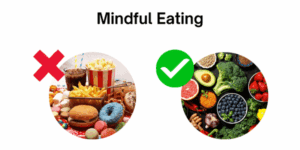
❌ High-sugar foods — sweets, pastries, sugary drinks, desserts like gulab jamun or jalebi
❌ Caffeine & stimulants — coffee, energy drinks, excessive tea
❌ Alcohol — disrupts sleep and increases nervousness
❌ Fried foods — samosa, vada, kachori, fries
❌ Processed fast foods — burgers, pizza, rolls, chaat
❌ Artificial sweeteners — often worsen mood and digestion
If eliminating completely feels difficult, reduce slowly to avoid withdrawal headaches or irritability.
Lifestyle Practices That Help
Regular Exercise
Exercise releases endorphins — natural chemicals that boost mood and reduce stress. It improves confidence, sleep quality, and brain health.
Aim for 150 minutes per week of walking, yoga, dancing, cycling, or strength training.
Adequate Sleep
Poor sleep increases stress and emotional sensitivity.
Try:
-
A relaxing pre-sleep routine
-
Fixed sleep & wake schedule
-
Avoid screens 1 hour before bed
-
Aim for 7–9 hours of sleep each night
Meditation & Deep Breathing
Meditation reduces stress hormones and strengthens emotional control. Even 5–10 minutes daily can create major improvements.
Try:
-
Guided meditation
-
Deep breathing
-
Gratitude journaling
-
Mindfulness practice
Limit Screen Time
Constant social media scrolling increases comparison, fear, and anxiety. Take screen breaks, turn off notifications, use tech-free zones, and spend time outdoors.
Conclusion
Managing anxiety effectively is a holistic journey that includes balanced nutrition, emotional awareness, regular movement, proper sleep, and mindful habits. By choosing foods rich in vitamins, minerals, omega-3 fats, and antioxidants — along with reducing processed foods and stimulants — you can support brain health and feel calmer and more stable emotionally.
Lifestyle practices such as meditation, physical activity, and digital detox can significantly reduce anxiety levels and improve mental clarity. Remember, small consistent steps make the biggest difference over time.
You deserve peace, balance, and well-being. Start nurturing your mind and body today, and notice how positive habits transform your life.
Managing anxiety isn’t just about coping strategies—your daily habits, sleep, movement, and nutrition play a major role in your mental wellbeing. Small, consistent changes can create a powerful impact over time.
The food you eat can influence your mood more than you think.
Discover how the right nutrition can help you feel calmer and happier—read our full blog – Why Your Bad Mood Isn’t Your Fault?