dietplan Archives - Mumbai's Top Nutritionist & Healthcare Consultants for Customized Workouts Skip to main content
Tag

dietplan

healthy diet

THE BENEFITS OF A HEALTHY DIET: IMPACT ON HEALTH ENERGY LEVELS AND DISEASE PREVENTION

By Weight Loss & Gain Management

Eating a healthy diet is one of the best choices you can make for your overall health. Good nutrition not only keeps your body in shape but also improves your mood, gives you more energy, and helps prevent various illnesses. By learning about what makes up a healthy diet, you can make smarter food choices that are good for both your body and mind.

Nourish your body with a variety of Nutrient-Rich food:

A healthy diet includes a mix of different foods that give your body the nutrients it needs, like carbs, proteins, fats, vitamins, and minerals. This means eating a variety of colourful fruits and vegetables, which are full of vitamins and good for your health. Adding whole grains like brown rice, quinoa,dalia and oats to your meals helps provide lasting energy and keeps your digestion running smoothly. Lean proteins such as chicken, fish, beans, and lentils are important for building and repairing your body. Healthy fats found in foods like avocados, nuts, and olive oil are also essential for a healthy heart and brain. By eating a balanced diet with these foods, you can make sure your body gets everything it needs to work well.

The power of Nutrition:

Healthy Diet Enhances Your Overall Well-Being

The importance of a healthy diet for your overall health is huge. Eating well helps you maintain a healthy weight, which lowers your risk of issues like heart disease, diabetes, and some cancers. A balanced diet also boosts your immune system, making it easier for your body to fight off sickness. For example, vitamins C and E, found in many fruits and veggies, are important for keeping your immune system strong. Plus, some foods can help improve your mood and mental health. For instance, omega-3 fatty acids in fish can help reduce feelings of depression and anxiety, while complex carbs can help keep your blood sugar steady, which can also lift your mood.

Fuel Your Day:

How a Balanced Diet and Hydration Boost Your Energy Level:

Steady Energy, Smart Eating:

What we eat has a big impact on our energy levels. A healthy diet helps keep your energy steady throughout the day. Foods that are high in whole grains and proteins release energy slowly, while sugary snacks can give you quick bursts of energy followed by crashes.

Fuel Energy, Stay Hydrated:

Eating a variety of nutrients helps your body function well and prevents tiredness. Staying hydrated is also very important; drinking enough water keeps your energy up since even a little dehydration can make you feel sluggish.Eating fruits and veggies with a lot of water, like cucumbers and oranges, can help with hydration and also add extra nutrients.

Healthy Diet, Disease Defense:

Another important reason to eat healthy is that it can help prevent diseases. Studies show that a diet rich in fruits, vegetables, whole grains, and healthy fats can greatly lower the risk of chronic illnesses. For example, eating lots of fruits and veggies is linked to a lower risk of heart disease and stroke because they help lower blood pressure and cholesterol.

Balanced Diet Cuts Diabetes, Cancer Risk:

A balanced diet also helps control blood sugar levels, which can lower the chances of developing Type 2 diabetes. Additionally, some research suggests that certain eating patterns may reduce the risk of specific cancers. Diets high in antioxidants, commonly found in fruits and vegetables, may help protect your cells and lower cancer risk.

Effortless Healthy Eating:

Switching to a healthier diet might feel overwhelming, but there are simple steps you can take to make it easier. One good strategy is to plan your meals ahead of time. This helps you make better food choices and resist the urge to grab fast food or processed snacks. Reading nutrition labels can also help you be more aware of what you’re eating, allowing you to avoid added sugars and unhealthy fats. Practising portion control and being mindful while eating can help you enjoy your meals without overeating.

In summary, choosing to eat a healthy diet is a great way to improve your overall health. By making smart food choices, you can increase your energy, lift your mood, and greatly reduce the chances of serious illnesses. Eating a mix of nutritious foods helps your body work at its best. While changing your eating habits might feel tough at first, simple tips like planning your meals and being mindful while eating can make it easier. Focusing on good nutrition now will lead to a healthier and happier future.

Discover more powerful nutrition insights in our blog “Super Foods Explained: Are They Worth the Hype?” and get customized meal plans through the Healthie4U App to support your healthy sweet choices this festive season.
Vegetarian Diet

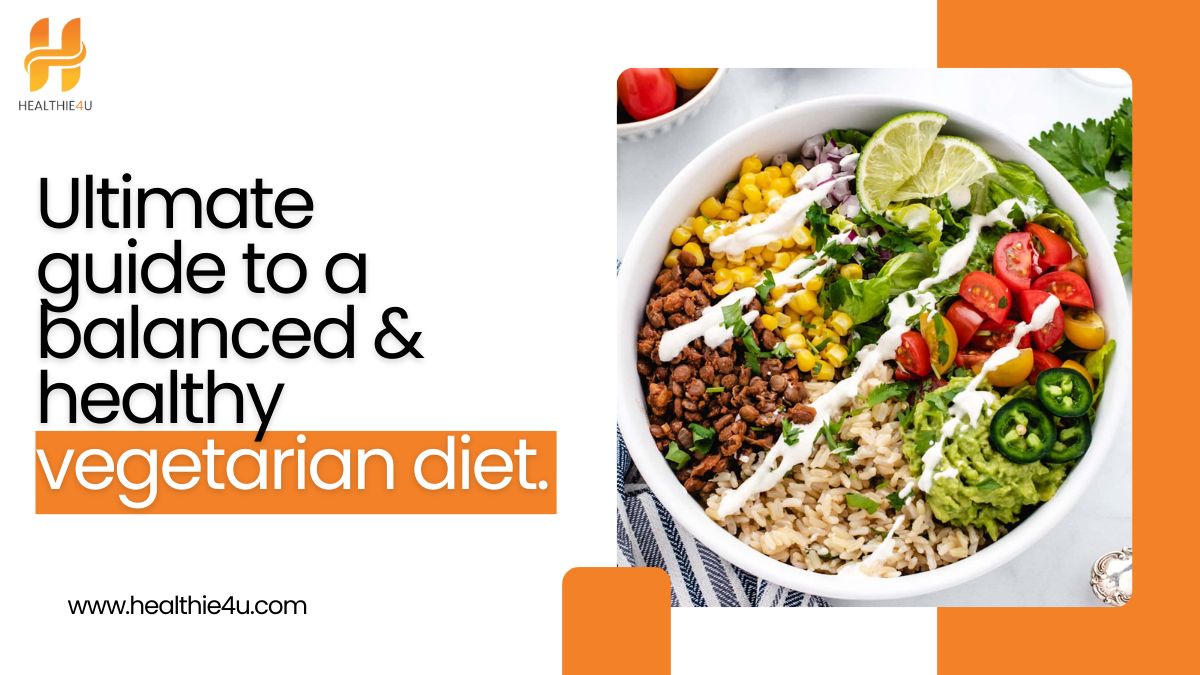
The Ultimate guide to a Balanced & Healthy Vegetarian Diet

By Weightloss diet, Weight Loss & Gain Management

A balanced diet is, especially a well-planned vegetarian diet is crucial in maintaining a good health, preventing chronic diseases, increasing energy levels, and improving the overall quality of life. It involves consuming various nutrient-dense foods in the proper proportions, including carbohydrates, proteins, fats, vitamins, and minerals.

A well-planned vegetarian diet can provide all essential nutrients when balanced with fruits, vegetables, whole grains, and plant-based proteins.

Why Is It Important To Have A Balanced Diet?

Eating a balanced diet, such as a nutrient-rich vegetarian diet, can bring a wide range of benefits to your overall health and well-being, including

1. Improved Physical Health

Eating a balanced diet can help maintain a healthy weight, lower the risk of chronic diseases like diabetes, heart disease and certain cancers, and improve the immune system’s function.

2. Increased Energy Levels

A balanced diet gives the body the nutrients that are required to function at its best, leading to increased energy levels and improved productivity.

3. Better Digestion

A balanced diet that includes plenty of fibre can improve digestion, reduce constipation and bloating, and improve gut health.

4. Stronger Bones And Teeth

A diet that includes adequate nutrients and minerals like calcium, magnesium, and vitamin D helps build and maintain strong bones and teeth.

5. Improved Skin Health

Eating a balanced diet that involves plenty of fruits, vegetables, and healthy fats can improve skin health, reducing the risk of acne, premature ageing, and other skin conditions.

6. Improved Mental Health

Studies have shown that a balanced diet can positively impact mental health, reducing the risk of depression, anxity, and cognitive decline.


How to Follow a Balanced Vegetarian Diet?

Following a balanced diet involves eating various foods from all food groups in the right proportions to provide the nutrients and energy your body needs. Here are some tips to help you follow a balanced diet


1. Include a Variety of Fruits and Vegetables

Aim for at least five portions of fruits and vegetables each day.

2. Eat Whole Grains

Choose whole-grain bread, brown rice, wheat flour, ragi, jowar, and oats instead of refined grains.

3. Include Protein-Rich Foods

To follow a balanced vegetarian diet, Choose dairy products such as milk, curd, paneer, Tofu, soy, dal, pulses, beans, lentils, nuts, and seeds.

4. Limit Unhealthy Fats and Sugars

Avoid saturated and Trans fats found in processed foods, sugary drinks, and sweets.

5. Drink Plenty of Water

You should aim for at least eight glasses of water each day in order to stay physically fit.

6. Monitor Portion Sizes

Use a smaller plate, avoid second servings, and eat mindfully.

7. Seek Professional Advice

Consult a registered dietitian or nutritionist about developing a personalized balanced diet plan based on your individual needs and preferences.


SEVEN COMMON MISTAKES TO AVOID WHILE FOLLOWING A BALANCED DIET :

Following a balanced diet is essential for maintaining good health and preventing chronic diseases. However, it’s easy to make mistakes that can hinder your progress towards a healthy diet. Here are some basic mistakes to avoid while following a balanced diet

1. Skipping Meals

Skipping meals may seem like a good idea to reduce calorie intake, but it may lead to over-eating and poor food choices later in the day.

2. Not Eating Enough Fruits and Vegetables

Vegetables and fruits are rich sources of vitamins, minerals, and fibre essential for good health. Therefore, you must include at least five servings of fruits and vegetables per day.

3. Relying too Much on Processed Foods

Even when following a vegetarian diet, Processed foods are mostly high in calories, unhealthy fats, and sugars, which can contribute to weight gain and poor health outcomes.

4. Not Drinking Enough Water

Water is essential for good health and helps keep you hydrated. Intend to drink a minimum of eight glasses of water per day.

5. Consuming too Much Salt

High salt consumption can lead to high blood pressure, heart disease and stroke risk. Try to limit your salt intake and avoid adding extra salt to your meals.

6. Skipping Breakfast

Breakfast is an important meal of the day, and skipping it can lead to overeating later in the day. Aim to have a healthy breakfast every day to help kick-start your metabolism.

7. Consuming Too Much Saturated and Trans Fats

Saturated and Trans fats can increase the level of cholesterol and heart disease risk. So try to limit your intake of foods that contain high saturated and Trans fats, like junk, fried foods, and baked goods.


SAMPLE BALANCED PLATE

  • Half your plate: Fruits and Vegetables.
  • One quarter: Whole grains.
  • One quarter: Protein.

In conclusion, choosing a balanced vegetarian diet can be a powerful step toward better health, improved digestion, and long-term wellness—helping you nourish your body while enjoying delicious, wholesome foods every day.

By following these guidelines, you can create a balanced vegetarian diet that supports overall health and well-being.

To learn more about restoring metabolism and improving fat loss sustainably, check out our blog — 10 Benefits of Reverse Dieting for Metabolism Recovery & Weight Loss — and explore vegetarian diet plans and smart nutrition coaching on the Healthie4U App.

best diet plan for weight loss

How to Choose the Best Diet for You

By PCOS and PCOD Management, Cholesterol, Diabetes Management, Fitness, Pregnancy, Thyroid, Weight Loss & Gain Management

How to Choose the Best Diet Plan for Weight Loss (and Lifelong Health)

Choosing the right eating plan can feel overwhelming — there are so many diets out there, each promising fast results. However, the best diet plan for weight loss isn’t necessarily the trendiest — it’s the one that aligns with your goals, lifestyle, and health needs. By making deliberate choices, you can find a plan that supports your well‑being and stays realistic long-term.

Why it Matters to Pick the Best Diet Plan for Weight Loss

The wrong diet — overly restrictive, unsuited to your daily routine, or incompatible with your health — often leads to burnout, yo‑yo weight changes, or even nutritional imbalance. On the other hand, the right plan helps you lose fat, build healthy habits, and improve long-term wellness. Studies and expert guidance highlight that long-lasting changes come from sustainable, balanced eating rather than extreme “quick-fix” diets. Mayo Clinic Diet+1


Steps to Choose the Best Diet Plan for Weight Loss

1. Be Clear About Your Goal

First, define what “weight loss” means for you: is it losing 5–10 kg, improving body composition, or reaching a healthy BMI? Once you know your target, you’ll be better placed to evaluate different diet plans. Some diets — like low‑carb or ketogenic — may help with rapid fat loss, while others — like a balanced, high‑protein plan — help with sustainable fat loss and muscle preservation.

2. Match the Diet to Your Lifestyle

A diet that’s hard to follow will rarely last. So reflect on your daily schedule, cooking habits, and activity level:

  • If you’re often busy or traveling → choose a simple plan like “balanced diet for busy schedule” or intermittent-fasting-friendly eating

  • If you’re physically active → a high-protein or moderate-carb plan might suit you

  • If you cook at home and enjoy meals → a balanced diet emphasizing whole foods, vegetables, lean proteins, and healthy fats may work best

A plan aligned with your real life improves adherence — increasing the chances that this will truly become your “best diet plan for weight loss.”


3. Factor in Your Nutritional and Health Needs

Your body’s nutritional requirements and health conditions should guide your diet choice. For example:

  • If blood sugar control is important → consider lower‑GI or lower‑carb eating

  • For heart health, cholesterol, or inflammation → diets rich in fiber, healthy fats (like omega‑3), and vegetables may offer benefits resources.clicks.so+1

  • If you have intolerances or dietary restrictions → go for a flexible, adjustable diet (dairy‑free, gluten‑free, plant‑based, etc.)


4. Look for Long-Term Sustainability

One reason many diets fail is their lack of sustainability. A temporary crash diet can give quick results — but sustaining weight loss demands a diet you can stick with for months or years. The best diet plan for weight loss is often balanced rather than extreme: it allows flexibility, includes all major food groups, and doesn’t demand unrealistic restrictions.

Diet plans like the Mediterranean diet or balanced high‑protein plans rank high in nutrition science because they’re effective and sustainable. Business Insider+1


5. Maintain Flexibility to Avoid Burnout

Rigid diets — with very strict rules — often lead to frustration or relapse. Flexible plans allow occasional indulgences without derailing overall goals. Flexibility helps build a healthy, guilt-free relationship with food and increases the chance you’ll stick with the diet long-term.


6. Consider Professional Guidance

If you have health conditions (like diabetes, high blood pressure, hormonal issues), it helps to consult a healthcare professional or nutritionist before starting any diet plan. Personalized advice ensures your best diet plan for weight loss supports overall health rather than creating nutritional deficiencies.


7. Understand Your Eating Habits & Mindset

How you relate to food — emotional eating, stress eating, cravings — matters. A plan that supports mindful eating, balanced meals, and healthy habits (not deprivation) stands a better chance at long-term success.


8. Try, Monitor, and Adjust

No diet plan is perfect for everyone from day one. Try a plan for a few weeks, observe how your body reacts — energy, digestion, weight changes, mood — and be ready to adjust. The true best diet plan for weight loss is the one that evolves with you.


Conclusion — Your Best Diet Plan for Weight Loss is Personal

The best diet plan for weight loss isn’t universal. What works best for one person might not suit another. Real success comes from matching your goals, lifestyle, nutritional needs, and personality. Choose a plan that’s balanced, realistic, and sustainable. Give yourself time to adapt and make small, healthy choices — that’s how you achieve lasting results and long-term wellness.

Close Menu

Contact us