
Food and Mood: How Your Diet Can Affect Your Feelings
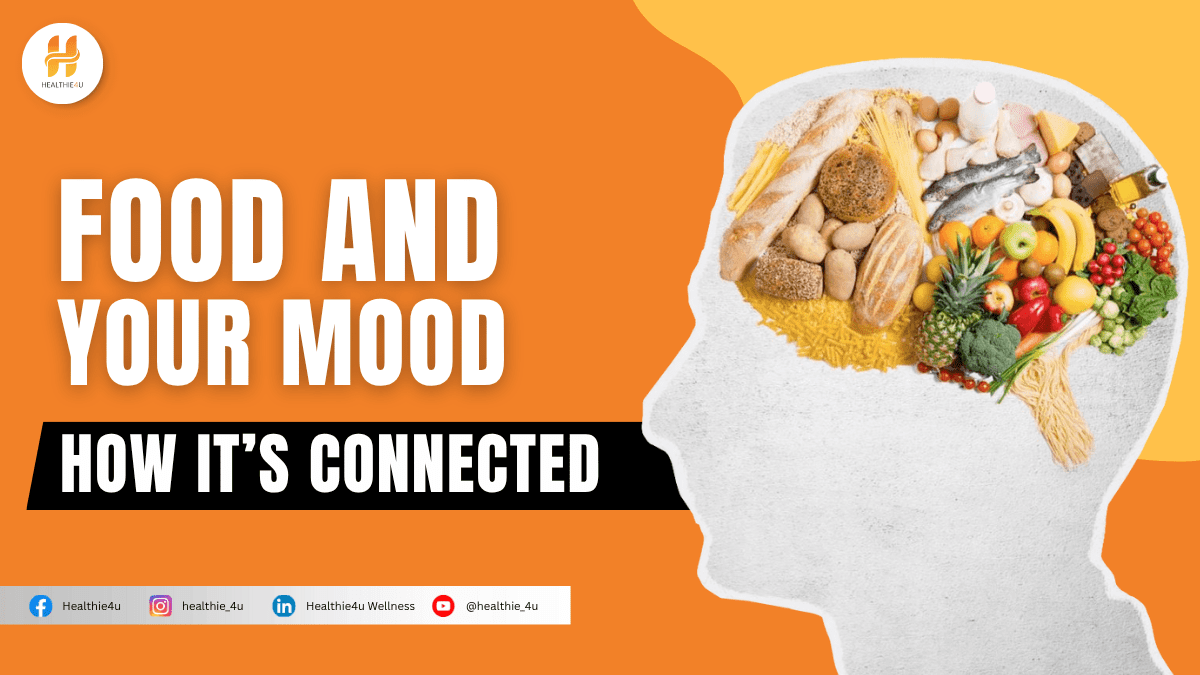
The Food and Mood Connection is more powerful than most people realize.
What you eat doesn’t just affect your physical health—it directly influences the way you feel, your energy levels, your stress response, and even your long-term mental well-being. Many people struggle with anxiety, low mood, or constant fatigue without understanding that their diet may be a major cause. The brain and gut are deeply connected through a communication pathway known as the gut-brain axis, and the foods you choose can either support emotional balance or trigger mood disturbances.
1. The Gut and Mood Connection

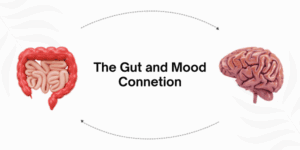
The relationship between gut health and mood is crucial. And this is how Food and Mood is connected. Beneficial gut bacteria play a key role in producing chemicals that boost mood, such as serotonin. Because the gut and brain communicate with each other, maintaining a healthy gut can improve your mood. On the other hand, an unhealthy gut may lead to inflammation, which can contribute to anxiety and depression.
Diet is fundamental in maintaining gut health. Consuming a wide variety of fruits, vegetables, and probiotic-rich foods fosters the growth of good bacteria. In contrast, a diet high in sugary and processed foods can harm gut health. Additionally, stress negatively affects gut function, creating a cycle that can worsen mood-related issues. Therefore, promoting a healthy gut through a balanced diet and effective stress management can significantly enhance mental well-being.
2. Mood-Boosting Foods
-
Fruits and Vegetables
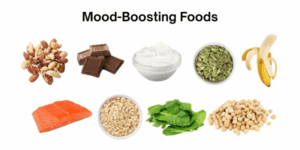
Eating fruits and vegetables can improve your mood. For example, berries and bananas are rich in vitamins and help increase serotonin levels, which can enhance feelings of happiness. Leafy greens, such as spinach, are also beneficial for brain health.
-
Whole Grains
Whole grains like brown rice and oats are excellent for stabilising blood sugar levels. They provide a steady source of energy, which can help you feel better throughout the day.
-
Healthy Fats
Healthy fats found in fatty fish, like salmon, and nuts, such as walnuts, are rich in omega-3 fatty acids. These fats can elevate your mood and enhance brain function, making them an essential part of your diet.
-
Fermented Foods
Fermented foods, including yogurt and sauerkraut, contain probiotics that are vital for gut health. A healthy gut is closely linked to improved mood and emotional well-being.
-
Dark Chocolate
Dark chocolate is not only a delicious treat but also a mood booster. It can increase serotonin levels, helping you feel happier.
-
Lean Proteins
Lean proteins such as chicken, turkey, and beans contribute to the production of chemicals that help balance your mood. Incorporating these into your diet can have a positive effect on mental health.
-
Herbs and Spices
Certain herbs and spices, like turmeric and saffron, are known for their mood-enhancing properties. Adding these to your meals can further support your mental well-being.
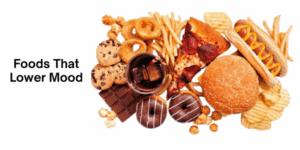
3. Foods That Lower Mood
-
Sugar Spikes and Crashes
Consuming excessive amounts of sugar can lead to quick energy spikes followed by crashes, which may leave you feeling tired and moody.
-
Processed Foods
Junk foods, such as chips and candy, are high in unhealthy fats and sugars. These can cause inflammation in the body, which is associated with feelings of sadness and anxiety.
-
Lack of Nutrients
Many processed foods lack essential vitamins and minerals, making it difficult for your brain to function optimally. This deficiency can result in irritability and a negative mood.
-
Impact on Gut Health
A diet high in sugar and junk food can harm your gut bacteria. Since a healthy gut is essential for mood regulation, this can lead to further mood disturbances.
-
Addictive Nature
Sugar and junk food can be addictive, creating cravings that can affect your mood. When you don’t consume these foods, you may feel anxious or down.
4. Meal Timing and Mood
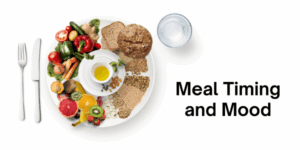
Eating at regular intervals is important for keeping blood sugar levels steady, which helps prevent mood swings. Regular meals provide a consistent energy supply, leading to a more stable mood throughout the day. This routine ensures your brain gets the essential nutrients it needs for a positive mood and creates comfort, which can reduce anxiety. Additionally, eating regularly helps avoid extreme hunger, lowering the risk of overeating, which can cause discomfort and negatively affect your mood.
5. Omega-3s and Mental Health

Omega-3 fatty acids are essential for mental health. They can boost mood, support brain function, and lower the risk of depression. These healthy fats are primarily found in fatty fish like salmon and nuts such as walnuts. Regular consumption of omega-3s promotes emotional balance and overall well-being, leading to improved mood and better mental clarity.
6. Mindful Eating
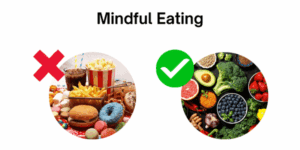
Mindful eating helps improve your relationship with food by encouraging you to focus on what and how you eat, which increases your awareness of your choices. Taking time to enjoy your meals creates a calming effect that can reduce stress levels. By paying attention to the flavors and textures of food, you enhance your enjoyment of meals, which can positively boost your mood. Mindful eating also promotes healthier food choices that benefit your well-being and helps you recognize hunger cues, preventing overeating and supporting better mental health overall.
Conclusion
In summary, there is a significant connection between gut health and mood. A balanced diet rich in mood-boosting foods, such as fruits, vegetables, whole grains, healthy fats, and lean proteins, can enhance mental well-being. Conversely, avoiding sugary and processed foods can prevent mood deterioration. Additionally, practising mindful eating and maintaining regular meal timing can further support a positive mood and overall mental health.
Want more science-backed nutrition guidance? Read our blog on Managing PCOS and Weight Gain: The Crucial Role of Diet and learn how dietary habits influence hormones, metabolism, and emotional stability.
Looking for a structured diet plan that supports both physical & mental health? The Healthie4U App provides personalized meal plans, mood-enhancing food suggestions, and calorie tracking — designed by experts to improve gut health and emotional balance through the Food and Mood Connection. Download the app today and start your wellness journey.