
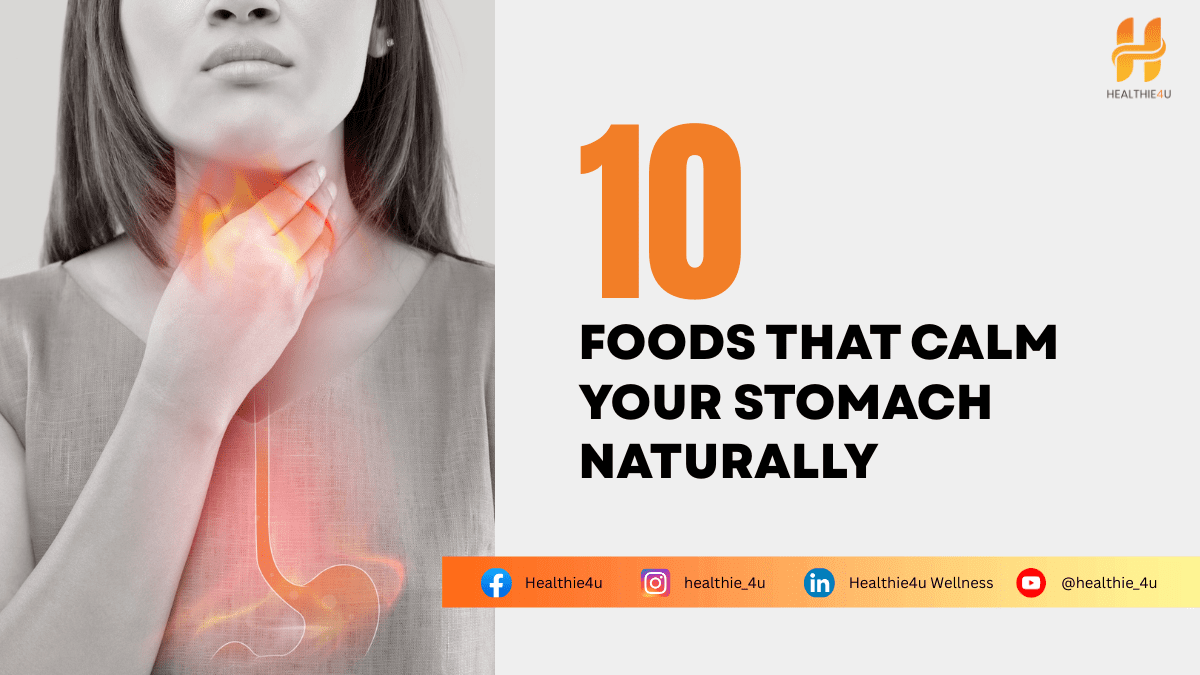

Hyperacidity & Nutrition: Understanding Causes, Symptoms & Diet Solutions for Long-Term Relief
Hyperacidity & Nutrition is an important topic today because acidity and acid reflux have become extremely common due to modern lifestyle patterns and poor eating habits. Hyperacidity, also known as acid reflux or gastric acidity, occurs when the stomach produces excessive acid or when the lower esophageal sphincter (LES)—a valve between the stomach and the food pipe—becomes weak and allows acid to move upward. While stomach acid is essential for digestion, an imbalance triggers painful and uncomfortable symptoms and may lead to chronic digestive issues if ignored.
Understanding Hyperacidity & Nutrition can help individuals make smart, science-based food choices that support digestive balance, reduce irritation, and improve gut health. Instead of relying only on antacids, natural foods and routine adjustments are proven to offer long-term relief and better digestive strength.
What is Hyperacidity?
Hyperacidity happens when the stomach secretes more acid than necessary, or when the valve connecting the stomach to the esophagus relaxes, allowing acid to escape into the food pipe. This irritation causes the well-known burning feeling in the chest and throat called heartburn.
In a healthy digestive system, stomach acid stays within the stomach and helps break down food, kill harmful bacteria, and support nutrient absorption. But when the protective lining of the stomach is disturbed, or when acid flows backwards, discomfort begins.
Common Symptoms of Hyperacidity
Recognizing early signs can help manage Hyperacidity & Nutrition more effectively:
-
Burning sensation in the chest or throat
-
Sour or bitter taste in the mouth
-
Frequent burping or hiccups
-
Bloating or heaviness after meals
-
Nausea or vomiting sensation
-
Decreased appetite or discomfort while eating
-
Pain or discomfort when lying down after meals
-
Feeling full even after small portions
-
Bad breath or sour smell
If hyperacidity persists frequently, it may develop into chronic acid reflux, GERD (Gastroesophageal Reflux Disease), ulcers, tooth decay, hoarseness, or throat infections.
Major Causes of Hyperacidity
Hyperacidity is commonly triggered by lifestyle and dietary patterns. The relationship between Hyperacidity & Nutrition is strong, and food choices play a direct role in irritation or relief.
| Cause | How it triggers acidity |
|---|---|
| Irregular eating habits | Skipping meals or overeating increases pressure and acid levels |
| Spicy & oily foods | Irritate the stomach lining and slow digestion |
| Coffee, carbonated drinks, alcohol | Relax the LES valve, pushing acid upward |
| Stress & poor sleep | Raise cortisol hormones that disrupt digestion |
| Sedentary lifestyle | Lying down after meals causes reflux |
| Certain medications | Painkillers & antibiotics can damage stomach lining |
| Eating too fast | Prevents proper chewing and increases gas and acidity |
Hyperacidity & Nutrition: How Food Can Help or Worsen Acid Reflux
What you eat determines how your stomach reacts. With the right foods, acidity can be managed naturally without depending on medication. Learning which foods soothe digestion and which ones worsen reflux is the foundation of Hyperacidity & Nutrition strategies.
Foods that Reduce Hyperacidity & Support Digestion
1. Natural Soothers
Hydrating, alkaline-forming foods help dilute acid and soothe irritation:
-
Coconut water
-
Buttermilk (chaas)
-
Jeera water
-
Fennel (saunf)
-
Ginger
-
Mint
-
Aloe vera juice
Why they help: They cool the stomach, reduce inflammation, and prevent gas and acidity build-up.
2. Whole Grains & Complex Carbs
-
Oats, daliya, poha
-
Brown rice, quinoa, millets (bajra, jowar, ragi)
Benefits for Hyperacidity & Nutrition:
They absorb excess acid, promote smooth digestion, and prevent stomach discomfort due to high fiber content.
3. Fiber-Rich Vegetables & Alkaline Fruits
Vegetables:
Bottle gourd, pumpkin, ridge gourd, cucumber, beans, carrots
Fruits:
Papaya, apple, pear, watermelon, guava, pomegranate
Papaya is especially powerful because it contains papain—an enzyme that improves digestion and reduces bloating.
Avoid citrus fruits like orange, lemon & pineapple if they trigger burning.
4. Protein Sources Easy to Digest
-
Moong dal, masoor dal, sprouts
-
Paneer, tofu
-
Eggs, lean chicken or fish
Protein stabilizes blood sugar and strengthens tissues without stressing digestion.
5. Good Fats
Healthy fats protect the stomach lining and reduce inflammation:
-
Soaked almonds
-
Walnuts
-
Flaxseeds
-
Chia seeds
Foods That Trigger Hyperacidity
To be avoided or limited for better Hyperacidity & Nutrition results
| Foods to Avoid | Why they worsen acidity |
|---|---|
| Fried snacks, pakoras, chips | Hard to digest, high oil load |
| Very spicy gravies & masala | Irritate stomach lining |
| Creamy & buttery dishes | Stay longer in stomach |
| Coffee, tea, sodas, alcohol | Relax stomach valve; push acid to throat |
| Bakery items, biscuits, packaged snacks | Contain preservatives & trans fats |
| Acidic fruits & tomato-based dishes | Increase burning |
| Potato, yam, arbi | Generate gas & acid build-up |
Lifestyle Tips to Manage Hyperacidity Naturally
Improving Hyperacidity & Nutrition is not just about avoiding certain foods—it also involves healthy habits:
-
Eat smaller and more frequent meals instead of large meals
-
Do not lie down immediately after eating (wait 2-3 hours)
-
Eat dinner early (before 8 PM)
-
Chew food properly & eat slowly
-
Drink water between meals, not during large bites
-
Practice deep breathing & reduce stress
-
Walk 10–15 minutes after meals for digestion
-
Maintain healthy weight to reduce abdominal pressure
-
Sleep with head slightly elevated to prevent reflux
Conclusion
Hyperacidity & Nutrition are deeply connected. With the right dietary changes, natural soothing foods, and mindful eating habits, hyperacidity can be effectively managed. Instead of depending only on temporary relief medicines, adopting a balanced lifestyle and nourishing the digestive system provides long-term improvement.
Small changes like choosing lighter meals, avoiding triggers, managing stress, staying active, and eating at the right time can bring powerful results. Understanding your body’s response to food is the key to preventing discomfort and improving gut health.
Your stomach is strongest when treated gently — listen to it, respect hunger and fullness cues, and choose foods that support healing.
Track your meals, manage your digestion, and improve your eating habits effortlessly with the Healthie4U app, and check out our latest blog, Stop Blaming Food—Your Eating Schedule Might Be the Real Problem! for tips on aligning your meals with your body’s natural rhythm.