
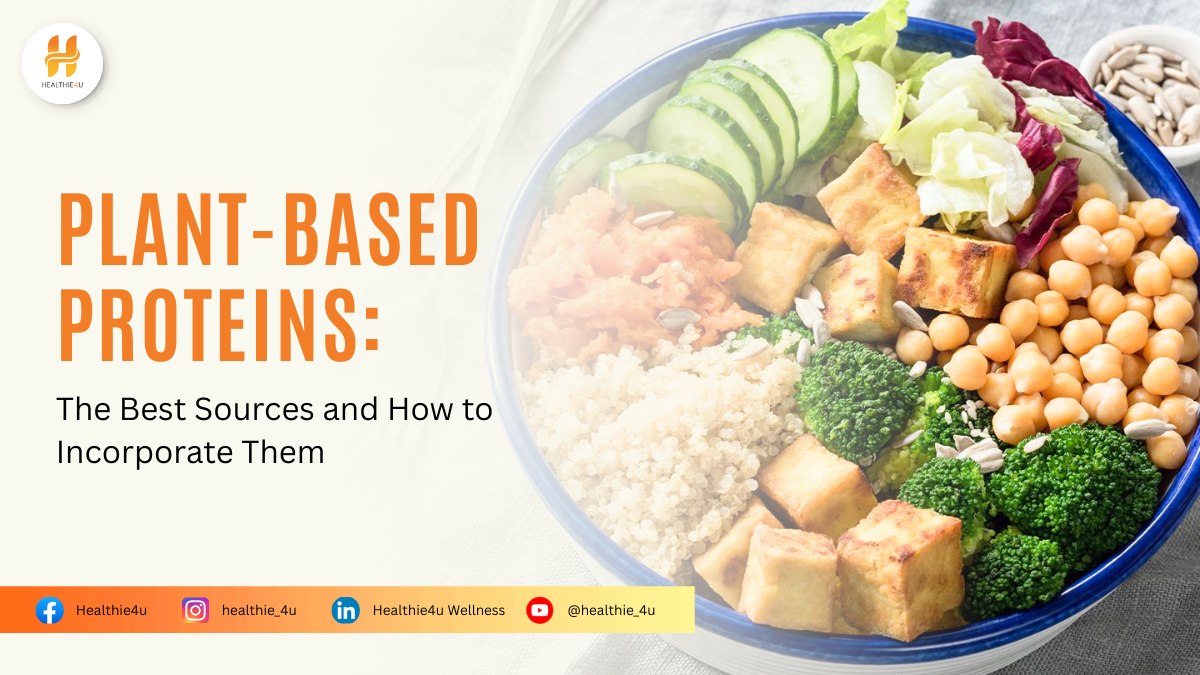
Plant-Based Proteins: A Complete Guide to Health, Nutrition, and Sustainable Eating
Plant-based proteins are proteins derived from plants rather than animal sources. They are a cornerstone of vegetarian, vegan, and flexitarian diets, providing essential nutrients for overall health. Sources include beans, legumes, whole grains, nuts, seeds, vegetables, and even plant-based meat alternatives. These proteins play a crucial role in repairing tissues, producing enzymes, and regulating hormones. They also support the immune system, aid in muscle function, and promote overall well-being.
With growing awareness of health, sustainability, and ethical eating, plant-based proteins have gained popularity among people looking to reduce meat intake or eliminate it entirely. Not only are they nutritionally valuable, but they also offer numerous health benefits and environmental advantages.
Understanding Essential Amino Acids
Proteins are made up of amino acids, the building blocks of the body. Among these, nine are considered essential amino acids—they cannot be produced by the body and must be obtained through diet. While animal proteins provide all nine essential amino acids, most plant proteins are incomplete, meaning they may lack one or more essential amino acids.
However, consuming a variety of plant-based proteins—like beans, grains, seeds, nuts, and soy—can provide all essential amino acids over the course of a day. For example, pairing rice with lentils, or hummus with whole wheat bread, ensures you get a complete amino acid profile. This approach makes plant-based diets fully sufficient in protein when planned mindfully.
Health Benefits of Plant-Based Proteins
Choosing plant-based proteins over animal proteins can provide several health advantages:
1. Lower Saturated Fat & Calories
Many animal-based proteins contain high levels of saturated fats, which may increase the risk of heart disease. Plant-based proteins are naturally lower in saturated fats while providing fiber, vitamins, and minerals. This makes them ideal for weight management and cardiovascular health.
2. Digestive Health
Plant proteins are often high in dietary fiber, which promotes healthy digestion, prevents constipation, and maintains gut health. A fiber-rich diet also feeds the gut microbiome, supporting immunity and overall metabolic function.
3. Anti-Inflammatory Properties
Plant-based foods are rich in antioxidants and phytonutrients that reduce inflammation in the body. Regular consumption can help lower the risk of chronic diseases, such as type 2 diabetes, heart disease, and certain types of cancer.
4. Weight Management
Fiber and protein in plant-based foods promote satiety, helping you feel full for longer and reducing the tendency to overeat. This can support healthy weight management without strict dieting.
5. Environmental Sustainability
Plant-based proteins have a lower environmental footprint compared to animal farming. They require less water, land, and energy while producing fewer greenhouse gases. Choosing plant proteins supports ethical eating and a more sustainable planet.
Top Plant-Based Protein Sources
Incorporating plant-based proteins into your diet doesn’t have to be complicated. Below are some of the best options, along with practical tips on how to include them in your meals:
1. Legumes
Examples: Lentils, chickpeas, black beans, kidney beans.
Legumes are high in protein, fiber, and essential minerals like iron and magnesium. They can be used in soups, stews, salads, veggie burgers, hummus, or chili. Lentils are especially versatile and cook faster than other beans, making them a quick protein source.
2. Nuts and Seeds
Examples: Almonds, walnuts, chia seeds, hemp seeds, flaxseeds.
Nuts and seeds provide protein along with healthy fats, antioxidants, and micronutrients. They make excellent additions to smoothies, oatmeal, yogurt, and baked goods, or can be enjoyed as snacks. Soaking or roasting nuts lightly can improve digestibility.
3. Whole Grains
Examples: Quinoa, oats, barley, brown rice, farro.
Whole grains are rich in protein, fiber, and complex carbohydrates. Quinoa is unique as a complete plant-based protein. Use quinoa in grain bowls, salads, or as a side dish. Oats provide protein and fiber for a filling breakfast or can be blended into smoothies for a nutrient boost.
4. Vegetables
Examples: Spinach, kale, broccoli, Brussels sprouts, peas.
While vegetables may contain less protein than legumes or nuts, they are still valuable sources of plant protein and provide essential vitamins, minerals, and fiber. Incorporate them into salads, stir-fries, soups, or green smoothies to boost your protein intake.
5. Soy-Based Products
Examples: Tofu, tempeh, edamame.
Soy is a high-quality plant protein containing all essential amino acids. Tofu is highly versatile and can be used in both savory and sweet dishes, while tempeh is firm and nutty, perfect for stir-fries, sandwiches, or tacos. Edamame makes a great snack or salad topping.
6. Plant-Based Meat Alternatives
Examples: Pea protein, jackfruit, soy-based burger patties.
These alternatives are designed to mimic meat while offering protein with lower saturated fat. Use them in tacos, pasta dishes, or sandwiches as a plant-based protein replacement.
7. Seeds & Sprouts
Sprouted lentils, mung beans, and chia seeds are highly nutritious and protein-rich. Sprouting improves digestibility and nutrient absorption. Add them to salads, smoothies, or as toppings on bowls for a nutrient boost.
How to Build a Balanced Plant-Based Meal
To ensure you get sufficient protein and nutrients, follow these principles:
-
Combine Complementary Proteins: Pair grains with legumes or seeds with legumes to get all essential amino acids.
-
Include Variety: Rotate sources like beans, tofu, nuts, and grains to prevent nutrient gaps.
-
Add Vegetables: Every meal should include fiber-rich vegetables for digestion, vitamins, and minerals.
-
Use Healthy Fats: Include nuts, seeds, avocado, or olive oil to aid nutrient absorption and satiety.
-
Consider Fortified Foods: Nutrients like vitamin B12, iron, and omega-3s can be lower in plant-based diets, so fortified foods or supplements may be necessary.
Common Myths About Plant-Based Proteins
Myth 1: Plant proteins are incomplete.
While some plant proteins lack one or more essential amino acids, combining different plant foods throughout the day ensures complete protein intake.
Myth 2: You can’t build muscle without meat.
Plant proteins like lentils, tofu, tempeh, and quinoa can effectively support muscle growth when paired with regular strength training.
Myth 3: Plant-based diets lack nutrients.
With variety and planning, plant-based diets provide ample protein, iron, calcium, magnesium, and omega-3s.
Healthie4U App for Plant-Based Diets
To simplify plant-based eating, the Healthie4U app provides meal plans, recipes, and nutritional tracking for plant-based diets. Whether you’re aiming for weight management, muscle gain, or overall wellness, the app helps you incorporate plant-based proteins efficiently and ensures you meet your daily protein and nutrient needs.
Conclusion
Plant-based proteins are more than just a dietary choice—they are a pathway to better health, ethical eating, and environmental sustainability. By incorporating legumes, grains, nuts, seeds, soy products, vegetables, and plant-based meat alternatives into your daily meals, you can:
-
Support muscle repair and growth
-
Boost metabolism and energy levels
-
Promote heart, gut, and immune health
-
Maintain a healthy weight
-
Reduce the risk of chronic diseases
For those looking to transition to a plant-powered lifestyle, variety is key. Mix and match different protein sources, include vegetables and healthy fats, and ensure proper portion sizes. By doing so, you’ll enjoy the numerous health benefits of plant-based proteins while supporting a sustainable and ethical approach to eating.
Start exploring these nutrient-rich foods today and experience the power of a plant-based diet. Your body—and the planet—will thank you.
Pair your plant-based protein meals with our guide on Healthy Food to Eat After Exercise to maximize muscle recovery, energy, and overall fitness results.