
weight loss tips Archives - Mumbai's Top Nutritionist & Healthcare Consultants for Customized Workouts Skip to main content
Tag

weight loss tips

inflammation and weight gain

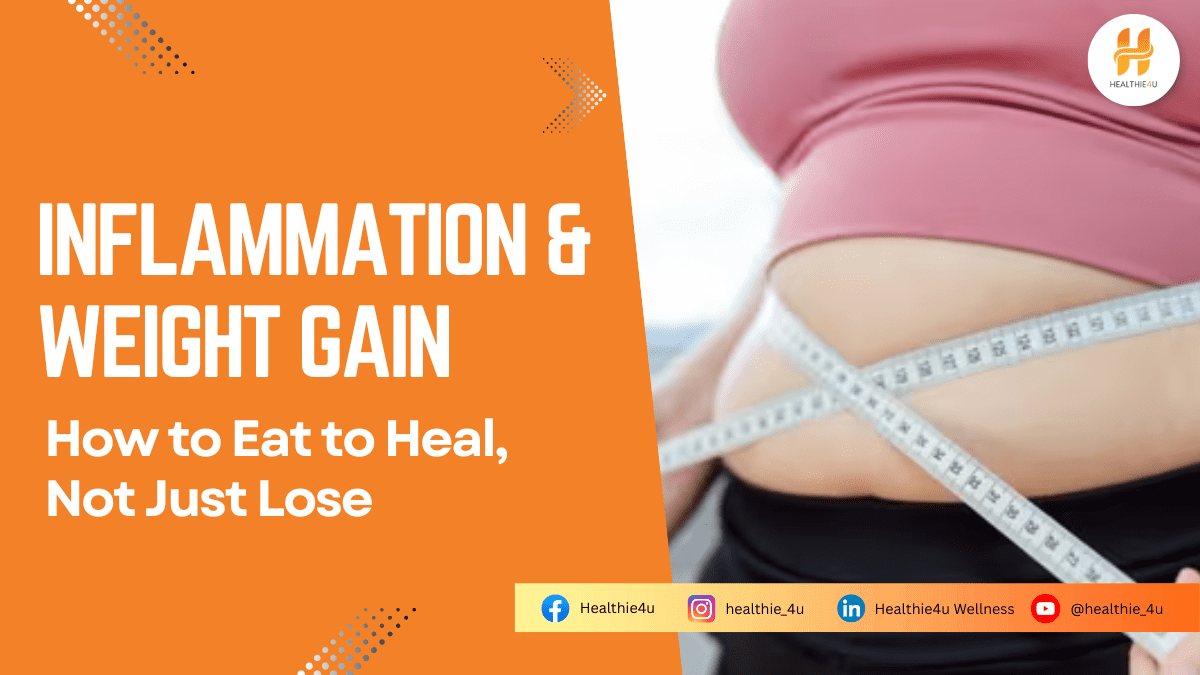
Inflammation and Weight Gain: 9 Proven Ways to Reduce It Naturally for Faster Fat Loss

By Cholesterol, Inflammation, Weight Loss & Gain Management

inflammation and weight gain

Inflammation and Weight Gain — The Hidden Reason You’re Not Losing Fat

Inflammation and weight gain are often ignored when people start their fitness journey, if you’ve been eating healthy, exercising, and still not losing weight, the hidden reason might be the inflammation and weight gain connection. Many people feel tired, bloated, and stuck even while doing “everything right” because chronic inflammation slows metabolism, disrupts hormones, and blocks fat loss.


What Exactly Is Inflammation?

Inflammation is your body’s natural healing response. When you get an injury or infection, your immune system activates inflammation to protect you. Once healing is complete, this response normally shuts off.

But when inflammation stays “switched on” for weeks or months, the body remains in a constant emergency mode. This chronic inflammation silently affects energy, digestion, immunity, and metabolism — creating an environment where weight loss becomes extremely difficult.


How Inflammation Causes Weight Gain

When inflammation and weight gain happen together, the body stores more fat, when the body is inflamed, it releases high levels of cortisol, the stress hormone. Excess cortisol:

  • stores fat around the belly

  • increases cravings for sugar and junk food

  • triggers emotional or binge eating

  • slows down metabolism

Inflammation also causes insulin resistance, where the body cannot use blood sugar properly. Instead of converting sugar into energy, the body stores it as fat — leading to constant tiredness, mood swings, and gradual weight gain.

This is why some people struggle to lose weight even with strict diets and workouts. The real solution is to heal the inflammation first, then fat loss becomes natural.


Anti-Inflammatory Diet for Fat Loss

An anti-inflammatory diet can reduce inflammation and weight gain naturally. The best part is that you don’t need expensive supplements. Our Indian kitchen already has powerful anti-inflammatory foods.

1. Eat a Colorful Plate

Brightly coloured fruits and vegetables contain antioxidants that fight inflammation.

  • spinach, methi, beetroot, carrots, drumstick leaves

  • papaya, berries, pomegranate, oranges

  • turmeric with black pepper for higher absorption

Aim for at least three colours daily on your plate.

2. Choose Healthy Fats

Healthy fats protect cells and balance hormones.

  • Include: ghee (in moderation), coconut oil, mustard oil, walnuts, flaxseeds, chia seeds

  • Avoid: refined oils, vanaspati, deep-fried foods and processed snacks

A small daily portion of nuts and seeds helps in metabolism and skin health too.

3. Switch to Whole Grains & Millets

Refined grains trigger inflammation and sugar spikes. Switch to:

  • jowar, bajra, ragi, brown rice, or red rice

These stabilise blood sugar, improve digestion, and sustain energy.

4. Heal Your Gut

A healthy gut reduces inflammation naturally.

  • homemade curd, chaas, kanji

  • fermented dosa or idli batter

  • fiber-rich vegetables, fruits, and pulses

Avoid sugary packaged probiotic drinks — they often do more harm than good.

5. Reduce Hidden Sugars

Sugar is one of the biggest inflammation triggers.

  • Replace occasionally with dates, jaggery, or stevia

  • Cut back on desserts, soft drinks, sweetened tea, packaged snacks

Even “natural sugars” can worsen inflammation if consumed in excess.

6. Hydrate & Sleep Well

Water and sleep are two underrated fat-loss tools.

  • Drink 2.5–3 litres of water daily

  • Sleep 7–8 hours to control cortisol and emotional cravings


Lifestyle Habits That Reduce Inflammation

Small daily habits make a massive difference:

  • walk for 10–15 minutes after meals

  • practice yoga, meditation, or deep breathing

  • limit alcohol and smoking

These actions shift your body from stress mode to healing mode.


The Bottom Line

Weight gain isn’t always caused by overeating. Sometimes your body is inflamed, stressed, and simply unable to burn fat. When you focus on reducing inflammation, balancing hormones, and nourishing your body with real whole foods, weight loss becomes easier and more sustainable.

Don’t just eat to lose weight — eat to heal. Healing the body reduces inflammation and weight gain at the root. When your body feels safe and healthy inside, the fat starts melting naturally. You don’t need to eat less — you need to eat right. Breaking the cycle of inflammation and weight gain can help you get long-lasting weight loss results without extreme dieting or heavy workouts.

References – A study on Healthline shows that an anti-inflammatory diet supports faster fat loss and improves energy naturally.
https://www.healthline.com/nutrition/anti-inflammatory-diet-101

Also checkout our other blog related to Endometriosis & inflammation – https://healthie4u.com/endometriosis-and-inflammation-how-food-can-help-heal-from-within/
Diet Mistake

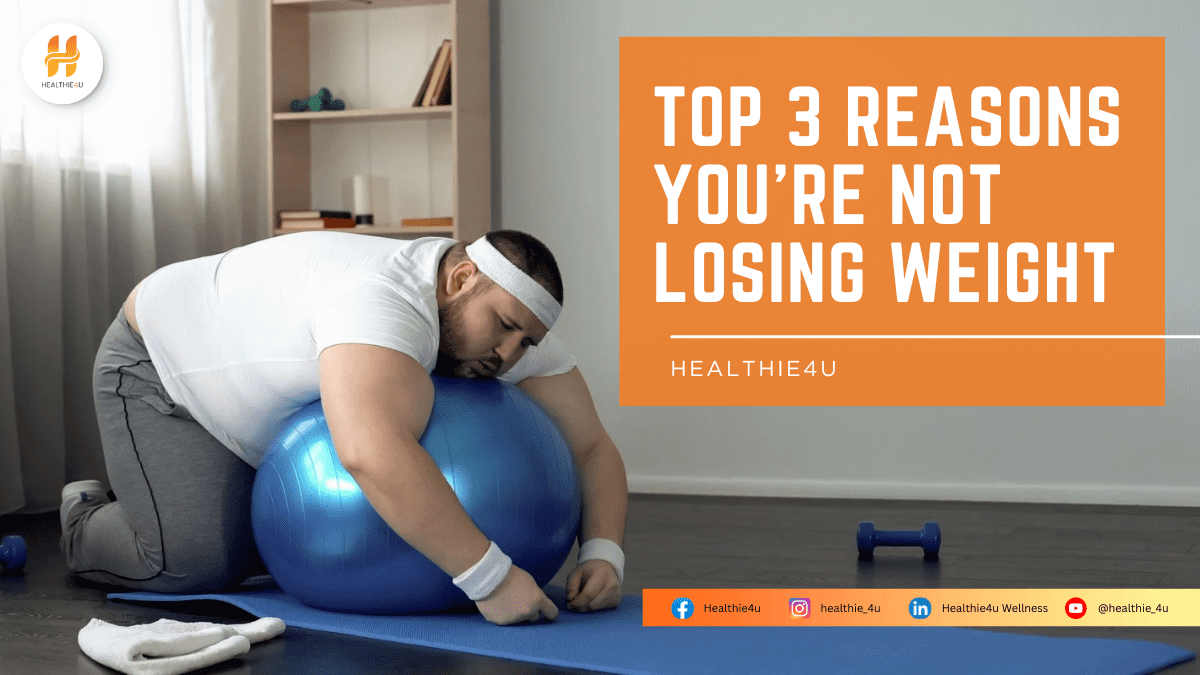
Top 3 reasons you’re not losing weight—nutrition mistakes to avoid

By Weight Loss & Gain Management, Weightloss diet

Top 3 Diet Mistakes Stopping Your Weight Loss Progress (and How to Fix Them)

Losing weight isn’t just about eating less or exercising more—it’s about understanding your food choices, your eating habits, and how your body responds to nutrition. Many people follow a “healthy” diet, exercise consistently, and still struggle to lose weight. This often leads to frustration, confusion, and self-blame.

But here’s the truth: weight loss is not always about effort—it’s about strategy.
Even the healthiest eaters can make mistakes that unknowingly block progress. If the scale isn’t moving despite discipline, the issue might not be your workout routine or your motivation, but certain common nutrition errors.

Below are the top three diet mistakes that sabotage fat-loss goals, along with practical ways to overcome them.


1. Overeating Healthy Foods – Diet mistakes

What Most People Think

Many assume that if something is healthy, they can eat an unlimited amount. Foods like nuts, avocado, peanut butter, protein bars, olive oil, granola, and hummus are rich in nutrients and highly beneficial for health. But healthy doesn’t always mean low calorie, that is a big diet mistakes —and portion size matters more than we realise.

Why This Becomes a Problem

Many healthy foods are calorie-dense, meaning they pack a lot of energy into a small quantity. For example:

Food Item Approx. Calories
1 teaspoon olive oil 90 calories
1 avocado 250–300 calories
Handful of almonds (30g) 180 calories
2 tablespoons peanut butter 200 calories
1 small bowl granola 300–400 calories

So, if you’re eating salads with nuts, avocado, olive oil dressing, and granola bars as snacks—you may be consuming more calories than you burn, even without realizing it. Weight loss requires a calorie deficit, which means consuming fewer calories than your body uses. If calorie intake exceeds expenditure, fat loss stalls, even with “clean eating.”

How to Fix It

Measure portions of high-calorie healthy foods
Use a weighing scale or measuring spoons to control quantity
Read nutrition labels carefully, especially for “diet,” “keto,” “organic,” or “sugar-free” packaged items
Build balanced meals containing lean protein + high fiber veggies + small amount of healthy fats
Don’t eat from packets—portion it out first

Example balanced plate:

  • ½ plate vegetables

  • ¼ plate lean protein (chicken, egg, paneer, dal)

  • ¼ complex carbs (oats, brown rice, quinoa)

  • 1 teaspoon healthy fat (ghee/olive oil)


2. Drinking Your Calories – Diet mistakes

The Hidden Diet Mistakes

Most people focus on what they eat, but ignore what they drink. Drinks often contain hidden sugar and calories that do not create fullness, but still add to total calorie intake. These include:

  • Fruit juices

  • Smoothies loaded with fruits & honey

  • Fancy coffees like frappes, cappuccino, caramel lattes

  • Alcohol

  • Milkshakes and flavored milk

  • Kombucha, electrolyte drinks, packed coconut water

  • Soda or diet coke

Why It’s Harmful

Liquid calories do not activate satiety signals, so you don’t feel full and may eat more later.
Example calorie counts:

Beverage Approx. Calories
Medium café latte 250–350 calories
Fruit smoothie 350–550 calories
Soft drink can 140 calories
Coconut water bottle 110 calories
2 drinks of alcohol 300–450 calories

Even if your meals are controlled, these beverages alone can push you into surplus calories, stopping fat loss completely. And alcohol slows metabolism, increases cravings, and reduces self-control—often causing overeating.

How to Fix It

✔ Choose water, sparkling water, or herbal tea
✔ Drink black coffee or green tea instead of creamy coffees
✔ Make smoothies smartly (protein + greens + ½ banana + no added sugar)
✔ If drinking alcohol, choose vodka soda or light beer and eat mindfully

If you reduce just 300 liquid calories per day, you could lose approximately 1–1.5 kg per month without changing anything else.


3. Underestimating Portions & Not Tracking Honestly – Diet mistakes

What Diet mistakes Happens in Reality

Most people believe they are eating less than they actually do. Research shows that people underestimate calorie intake by 20–40%. Small bites, tasting while cooking, finishing leftovers, dressings, sauces, dips, and oils—all add calories that often go unnoticed.

Common Hidden Calorie Sources

  • 1 tablespoon salad dressing = 80–120 calories

  • 1 spoon ghee or oil = 90 calories

  • Biscuits with tea = 150 calories

  • Sample bites while cooking = 100–150 calories

  • Eating outside food = underreported calories by 40–60%

You may feel like you’re dieting hard, but invisible calories can prevent fat loss.

How to Fix It

Track honestly using a reliable app (like Healthie4U)
Include every bite—even sauces, snacks, and drinks
Use a food scale for at least 7–10 days to understand real portions
Plan meals instead of guessing
Eat mindfully and avoid distractions while eating

Bonus Strategy: Volume Eating

Choose high-volume, low-calorie foods that fill your stomach without adding many calories:

  • Vegetables, salads, soups, fruits

  • Lean protein (eggs, chicken, tofu, dals)

  • Whole grains (oats, quinoa, brown rice)

This increases fullness, reduces cravings, and supports sustainable fat loss.


The Bottom Line

Weight loss isn’t about starving, eliminating food groups, or following extreme diets. So stop diet mistakes, and understant that it is about:

  • Eating smart, not eating less

  • Understanding calorie balance

  • Making mindful nutritional choices

  • Tracking portions consistently

  • Managing liquid calorie intake

  • Choosing high-protein, high-fiber foods

Small improvements made consistently lead to the biggest results. Awareness is more important than willpower.


How Healthie4U Helps

Tracking portions, monitoring calorie intake, and planning meals can be confusing—but you don’t need to do it alone.
Healthie4U App gives you a personalised diet plan, calorie tracking, portion guidance, meal ideas, and progress monitoring, making weight loss simple and sustainable.

Transform your weight loss journey with Healthie4U — because smart eating always wins over random dieting.

Stop doing diet mistakes, struggling to track your meals and stay within calorie limits? Check out our blog on Calorie Counting App for Weight Loss and see how Healthie4U can simplify your journey toward effective fat loss.

Close Menu

Contact us